
When a routine international flight suddenly takes an unexpected turn, the experience can be unsettling. But the recent incident involving a Dubai-bound Air India Express flight returning to Tiruchi highlighted something far more powerful than disruption: the strength of aviation safety systems, the professionalism of crew members, and the calm resilience of passengers. In this humanised narrative, we explore what happened, why the decision mattered, and how it reflects the growing reliability of India’s aviation sector.
Passengers boarded the Dubai-bound Air India Express flight with excitement, plans, and a familiar mix of travel anticipation. Many were heading to work, while others were reuniting with families or beginning new journeys. As the aircraft prepared to depart from Tiruchi, it was just another day in the life of the bustling airport.
Once airborne, everything seemed normal. The cabin crew guided passengers with their usual courtesy, and the early moments of the journey unfolded smoothly. But soon after take-off, something occurred that called for immediate professional judgment from the cockpit.
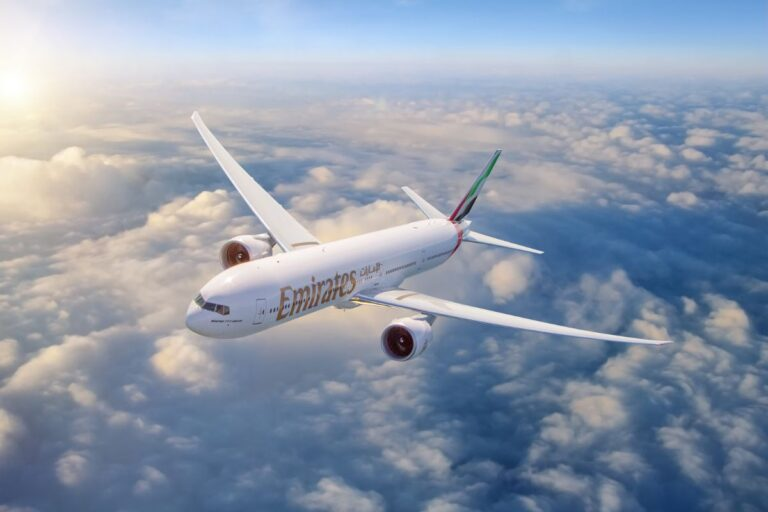
Air travel is one of the safest modes of transportation, not because incidents never happen, but because of the systems and training designed to handle them. Shortly after departure, the pilot detected an issue that required a quick decision. Instead of continuing the long journey over the sea, the captain opted to turn back and return to Tiruchi.
It was a choice made with absolute clarity: safety comes first, always.
The crew calmly informed the passengers about the situation. Although some worried faces appeared across the cabin, the reassuring tone of the announcement helped ease the tension. This kind of steady communication often becomes the backbone of passenger confidence.
What truly stood out in this incident was the reaction of the passengers. Despite the unexpected change in plans, travellers remained calm, cooperative, and understanding. It reflected a growing awareness of how deeply aviation prioritises safety.
Many passengers later described the crew as supportive and attentive. They walked through the aisles, checking on travellers, especially families with young children and elderly passengers. This human connection often makes all the difference during moments of uncertainty.
The aircraft made a smooth and controlled landing back in Tiruchi, demonstrating the effectiveness of the crew’s actions. Ground staff and technical teams were ready, ensuring that passengers disembarked safely and comfortably.
For many, the return felt like a relief. Even though it disrupted travel plans, there was a shared understanding that a safe arrival on land is always better than risking the unknown.
Once the plane was back on the ground, engineers began examining the aircraft to identify the issue. Such checks are detailed, precise, and mandatory. Airlines today prioritise thorough technical evaluations, especially before long-haul international flights.
Passengers were briefed about the next steps, with airline staff offering assistance, refreshments, and updated travel arrangements. Though waiting is never easy, the transparent communication helped maintain trust.
Aviation incidents handled correctly often reinforce trust instead of diminishing it. The competent response shown by Air India Express in this situation plays a major role in shaping public confidence.
The decision to return wasn’t simply a precaution. It was a symbol of a responsible aviation culture. It showed:
For passengers, knowing these systems work as intended provides comfort, even when travel plans change.
Behind every flight is a tapestry of human stories. The passengers heading to Dubai that day had varied reasons for travel. Some were migrant workers returning to their jobs. Some were families visiting loved ones. Others were travellers seeking new opportunities.
When a flight turns back, it affects each person differently. But in this incident, the collective patience and cooperation showcased something beautiful: an understanding that safety must always outweigh inconvenience.
Similarly, the crew members also carried the emotional weight of responsibility. Their calm presence, polite assistance, and dedication ensured that passengers felt cared for during the entire episode.
Aviation experts say that turning back shortly after take-off is often the safest option during a technical anomaly. It allows:
Choosing to return is not a failure or a sign of danger. It is a proactive measure, demonstrating that every tiny detail is taken seriously in modern aviation.

India’s aviation network has grown rapidly, and with it, the skill and preparedness of flight crews and ground teams. The Tiruchi incident is a reminder that even when unexpected challenges arise, the systems in place are strong enough to protect passengers.
Air India Express, known for carrying thousands of passengers between India and the Gulf, has invested heavily in safety and training. The outcome of this incident reflects these efforts.
For passengers, this experience may have become an unexpected story to share with friends and family, but it also became a reminder of the unseen work that keeps air travel safe.
Events like these also offer important lessons to travellers:
Flight crews are extensively trained to handle emergencies. Their instructions and decisions are backed by experience and strict aviation protocols.
Passengers responding with calm and patience contribute significantly to overall safety during unexpected moments.
Even if travel plans change, safety should always be accepted as the top priority.
Airlines explaining decisions clearly help passengers feel informed and reassured.
Although the flight did not reach Dubai as scheduled, its safe return to Tiruchi stands as a positive outcome. Once the technical issue is resolved and clearances are granted, passengers will continue their journey with renewed confidence in airline safety.
Air travel is not just about reaching destinations. It is also about trust, preparedness, and human connection. This incident highlighted all three beautifully.
The return of the Dubai-bound Air India Express flight to Tiruchi was not just an aviation incident; it was a display of professionalism, responsibility, and unity. The pilots made the right call, the crew handled the situation with empathy, and passengers showed impressive composure.
In the end, what could have been a moment of panic turned into a powerful example of why flying today is safer than ever. The incident reaffirmed that when challenges arise in the sky, the combined strength of skilled professionals and calm passengers ensures that safety always wins.
If anything, this episode reminds us that in the world of aviation, every decision is guided by one ultimate purpose: protecting lives.
Do Follow Estate Magazine on Instagram
Read More:- UAE: Discover Amazing Free Experiences at Global Village This National Day 2025