Saudi Arabia’s real estate market is at the brink of transformation. For years, the focus has been on ownership-driven growth, but a new trend is emerging: build-to-rent (BTR). Unlike traditional real estate models where developers sell units to individual owners, BTR is designed for long-term rental. Developers retain ownership of the property and generate income through consistent rental yields.
This approach is not new globally. Countries like the UK, the US, and Australia have successfully leveraged BTR to provide high-quality housing while generating predictable revenue streams. In Saudi Arabia, however, this concept is gaining traction amid a growing population, urbanization, and rising demand for modern rental solutions. The potential for billion-dollar returns is now capturing the attention of investors and developers alike.
Saudi Arabia has one of the youngest populations in the world, with a median age of around 30 years. Many young professionals and families are entering the housing market, but homeownership remains out of reach for a significant portion of the population. Renting has become a more practical option, especially for those moving to urban centers like Riyadh, Jeddah, and Dammam for work.
The build-to-rent model addresses this gap by offering high-quality rental housing that caters to modern lifestyle needs. From fully furnished apartments to shared community amenities, these properties are designed for convenience and comfort, making them highly attractive to young renters.
Saudi Arabia’s Vision 2030 initiative is driving urbanization and economic diversification. Mega projects like NEOM, the Red Sea Project, and Qiddiya are creating new employment hubs, which in turn, increase housing demand. Traditional ownership models struggle to keep pace with this rapid influx of residents, creating a unique opportunity for BTR developers to step in.
The government is also easing regulations and providing incentives for real estate investment, making it easier for developers to launch large-scale BTR projects. These supportive policies could accelerate the adoption of this model and boost investor confidence.
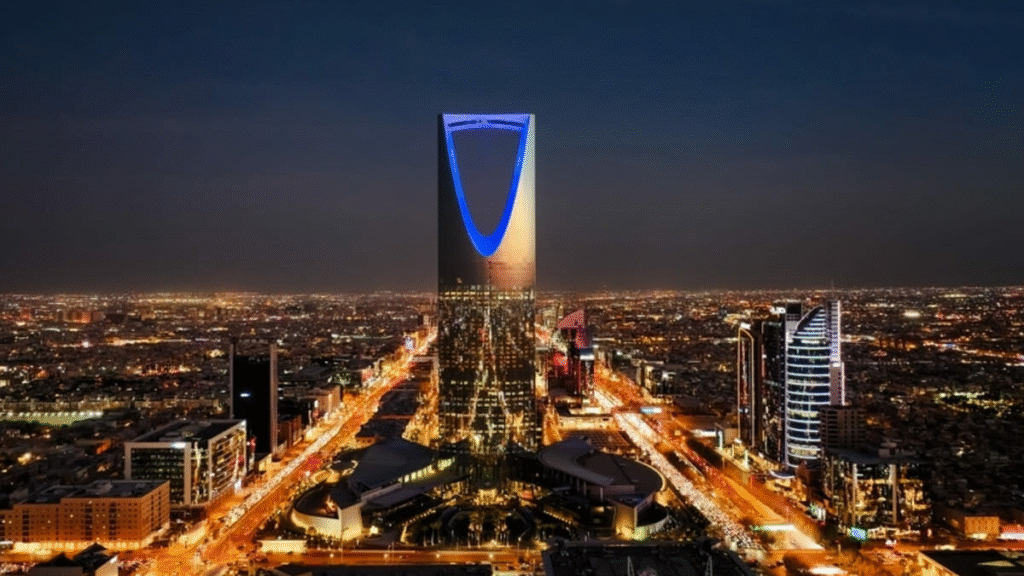
One of the biggest advantages of BTR for investors is the stability of cash flow. Unlike traditional property sales, which are transactional and one-off, BTR ensures long-term income through recurring rental payments. In a market where housing demand is consistently high, this translates into predictable and often lucrative returns.
Developers can also benefit from economies of scale. Managing a single large BTR development is often more cost-effective than handling multiple individual sales projects. Maintenance, security, and community management can be centralized, reducing overheads and improving profitability.
For institutional investors, BTR offers an attractive diversification opportunity. Real estate portfolios traditionally include commercial properties, residential units for sale, or mixed-use developments. Adding BTR properties introduces a new revenue stream that is less sensitive to market fluctuations in homeownership trends.
This model can also attract foreign investment. International investors are increasingly seeking stable, long-term rental opportunities in emerging markets. Saudi Arabia’s growing economy, coupled with the reliability of BTR income, positions the country as a high-potential destination for such investments.
While the Saudi government is supportive, BTR is a relatively new model in the region. Developers need clear guidelines on zoning, taxation, and property management regulations. Uncertainty in these areas can slow down adoption, and successful investors will need to navigate this carefully.
Traditionally, Saudi families have prioritized homeownership over renting. Shifting cultural mindsets toward long-term rental solutions may take time. Developers need to offer compelling incentives, superior amenities, and flexible rental terms to attract tenants and change perceptions.
Large-scale BTR developments require significant upfront investment. Construction costs, project timelines, and ongoing operational expenses can impact profitability if not managed efficiently. Developers need to strike a balance between delivering quality housing and maintaining cost-effectiveness.
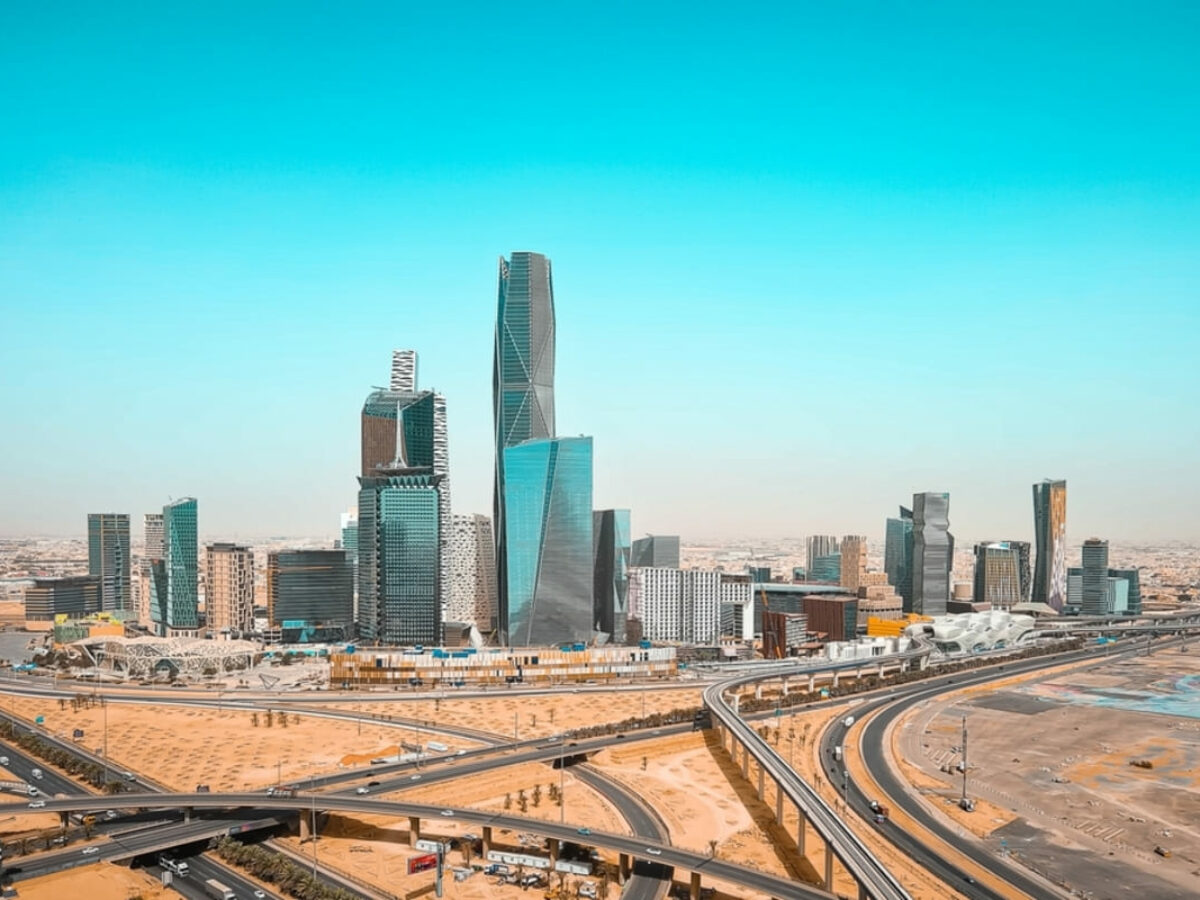
Riyadh, Jeddah, and Dammam remain prime locations for BTR projects. These cities have the highest concentration of young professionals and expatriates seeking rental accommodations. Modern apartments with community amenities, co-working spaces, and easy access to transportation are likely to attract the most tenants.
Saudi Arabia’s mega projects present unique BTR opportunities. NEOM, for instance, is being built as a futuristic city with cutting-edge infrastructure and sustainable living. BTR developments within such zones could command premium rental rates due to their strategic locations and modern amenities.
Not all BTR opportunities lie in luxury developments. There is a growing need for affordable and mid-market rental housing, particularly for young families and middle-income professionals. Developers who tap into this segment can benefit from high occupancy rates and consistent rental yields.
Experts predict that the BTR model could reshape the Saudi real estate landscape within the next decade. As urbanization continues and homeownership remains challenging for a large portion of the population, demand for quality rental housing is expected to rise.
Investors who act now stand to benefit from early-mover advantages. Prime locations, modern amenities, and strategic marketing can establish BTR projects as the go-to option for renters. Over time, this could lead to stronger property valuations and billion-dollar returns.
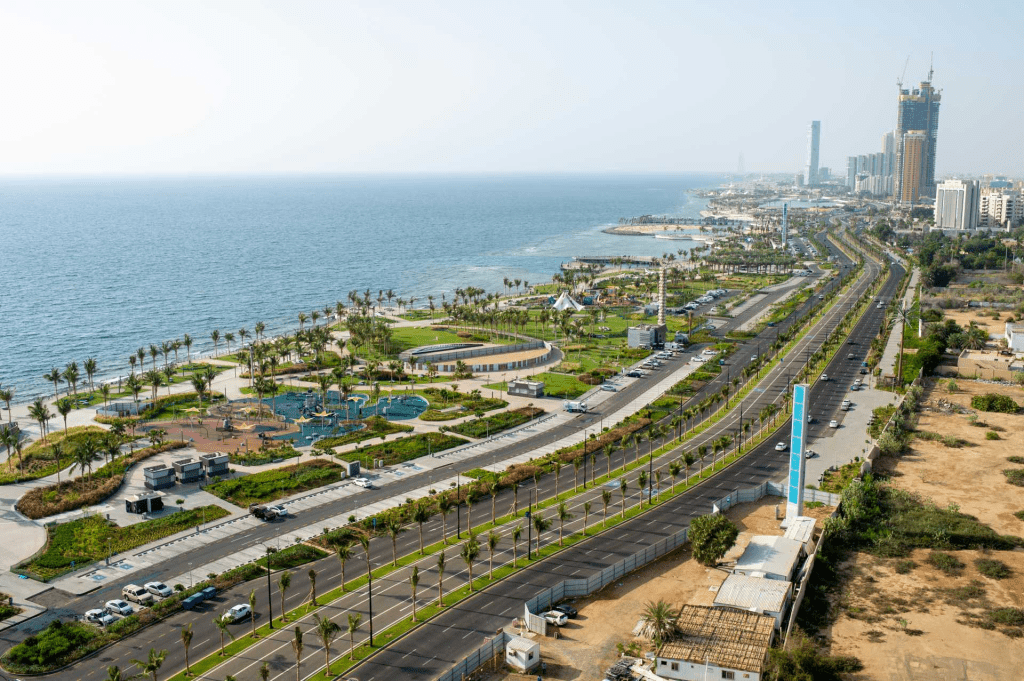
Integrating technology into BTR projects could further enhance appeal. Smart home features, app-based property management, and digital leasing solutions can attract tech-savvy tenants and improve operational efficiency. Developers who prioritize innovation are likely to gain a competitive edge.
Another trend is the emphasis on community living. BTR developments often include shared spaces, recreational areas, and wellness facilities. These features create a sense of belonging for tenants and can increase retention rates, ensuring long-term revenue stability.
Sustainability is increasingly important for both tenants and investors. BTR projects that incorporate eco-friendly design, energy-efficient systems, and green spaces can command higher rents and attract socially conscious investors. Aligning with ESG principles also positions developers as forward-thinking leaders in the market.
Build-to-rent is more than just a real estate trend in Saudi Arabia; it is a potential game-changer. By addressing the housing needs of a young, urbanizing population, offering predictable income streams for investors, and leveraging mega projects and urban expansion, BTR has the potential to take Saudi properties to new heights.
The road ahead is not without challenges—regulatory clarity, cultural adoption, and operational management are key considerations. However, with strategic planning, innovation, and a focus on tenant-centric living, BTR can deliver billion-dollar returns while transforming the Saudi real estate landscape.
For developers and investors looking to make their mark, the time to explore build-to-rent is now. Saudi Arabia’s dynamic market, coupled with visionary policies and ambitious projects, creates a perfect storm for one of the most promising real estate opportunities in the region.
Do Follow Estate Magazine on Instagram
Read More:- Dubai Tomorrow World Launches Ambitious Real Estate Vision 2025