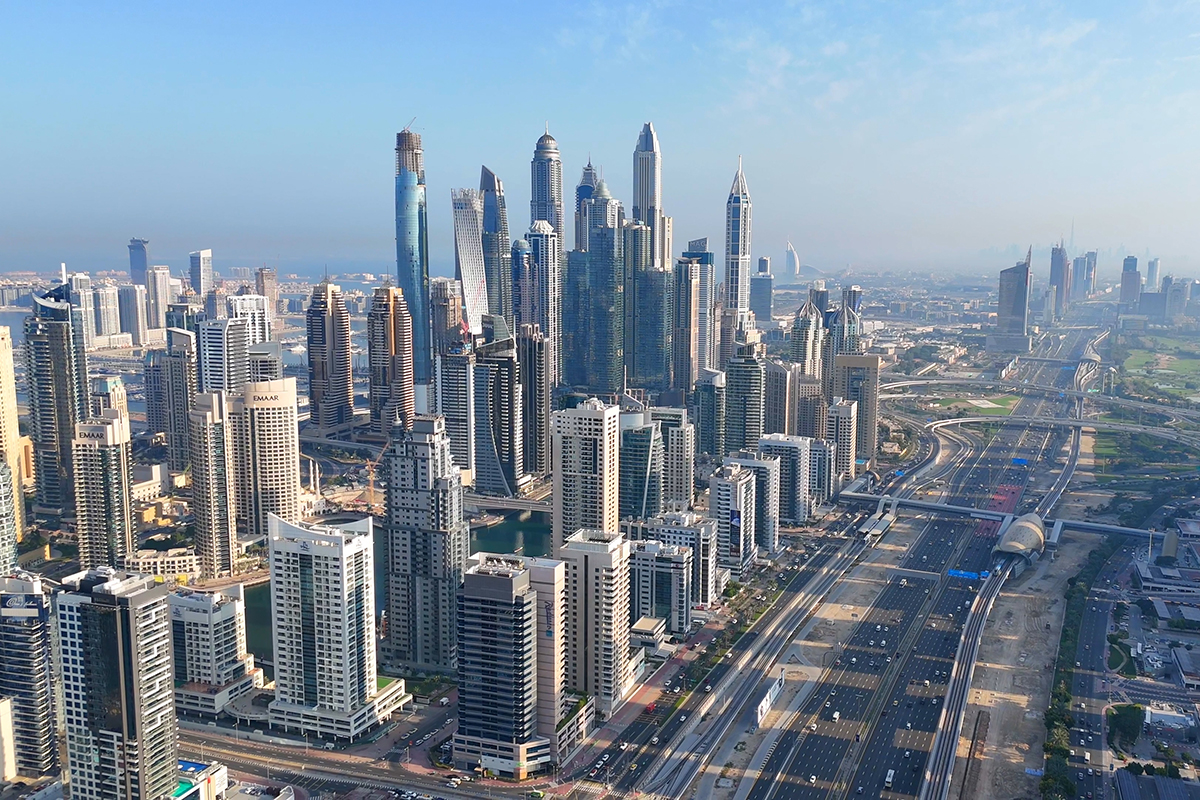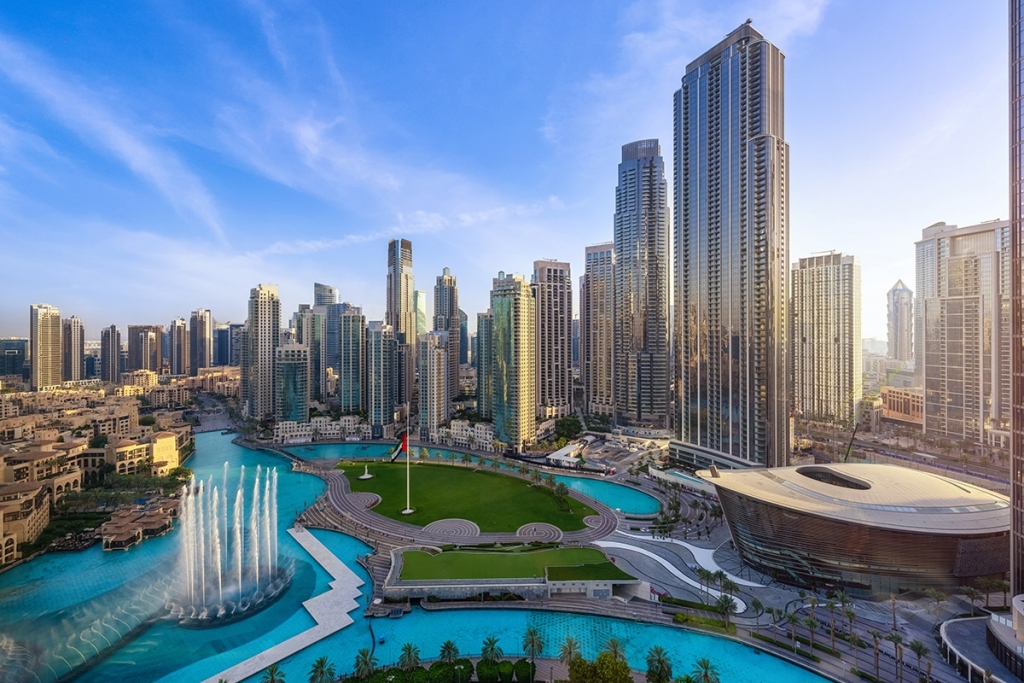
Dubai’s real estate market has once again proven its global appeal, recording an extraordinary $89 billion in transactions during the first half of the year as overall deals surged by 39 per cent. The figures highlight not just short-term momentum, but a deeper transformation taking place across the emirate’s property sector. From luxury waterfront villas and branded residences to affordable apartments and off-plan communities, demand is broad-based, resilient, and increasingly global.
The surge reflects strong investor confidence, population growth, policy reforms, and Dubai’s continued positioning as a safe, dynamic, and opportunity-rich destination. As 2025 unfolds, the numbers tell a powerful story of a market that is both mature and still evolving.
The $89 billion transaction value marks one of the strongest half-year performances Dubai’s real estate market has ever seen. Compared to the same period last year, the jump in transaction volumes underscores how demand has accelerated across nearly all segments.
Residential properties accounted for the lion’s share of activity, driven by rising end-user demand and sustained investor interest. Commercial real estate also gained momentum, supported by business expansion, new company formations, and increased demand for office and warehouse space.
Unlike previous cycles driven heavily by speculation, this growth feels grounded in fundamentals. Buyers today are better informed, financing is more regulated, and developers are focusing on quality, lifestyle, and long-term value rather than speed alone.
Several interconnected forces are powering Dubai’s impressive real estate performance in 2025.
Dubai continues to attract professionals, entrepreneurs, and families from across the world. With strong hiring across technology, finance, hospitality, healthcare, and logistics, the city’s population growth is translating directly into housing demand. More residents mean more need for apartments, villas, and townhouses across different budget ranges.
Dubai’s reputation as a politically stable, business-friendly hub has never been stronger. Investors view the emirate as a place where capital is protected, regulations are transparent, and returns remain attractive compared to many global cities.
This confidence is reflected in the rising number of cash purchases and repeat buyers, many of whom are expanding their Dubai portfolios in 2025.
With rental yields remaining competitive, Dubai continues to outperform several mature international markets. Investors are drawn to the combination of capital appreciation potential and steady rental income, especially in prime and emerging communities.
One of the most notable aspects of the current boom is how widespread it is.
High-end villas, waterfront mansions, and branded residences remain in strong demand. Ultra-wealthy buyers from Europe, Asia, Russia, and the Middle East are driving record sales in areas such as Palm Jumeirah, Dubai Hills Estate, and Jumeirah Bay.
These buyers are prioritizing privacy, design, exclusivity, and lifestyle experiences, making Dubai a top choice for second homes and permanent relocations alike.
While luxury headlines capture attention, the mid-market segment is quietly delivering some of the highest transaction volumes. Townhouses and apartments in well-connected communities are attracting first-time buyers, young families, and long-term residents.
Developers are responding with smarter layouts, flexible payment plans, and community-focused projects that balance affordability with quality.
Off-plan transactions continue to account for a significant share of overall deals. Buyers are drawn by competitive prices, post-handover payment options, and the opportunity to enter fast-growing areas early.
Stronger regulatory oversight and escrow protections have also increased trust in off-plan investments, encouraging more cautious investors to participate.
Dubai’s long-term planning and proactive governance play a critical role in sustaining real estate growth.
Initiatives aimed at attracting global talent, expanding residency options, and supporting entrepreneurship have had a direct impact on property demand. Long-term visas for professionals, retirees, and investors have made the city more livable and investment-friendly.
Infrastructure spending, from transportation networks to community facilities, continues to enhance connectivity and quality of life, reinforcing the appeal of both new and established neighborhoods.
Dubai’s real estate success in 2025 is deeply international in nature. Foreign buyers account for a significant share of high-value transactions, reflecting the city’s status as a global crossroads.
Investors are drawn not only by returns, but by lifestyle advantages such as safety, world-class healthcare, education options, and high standards of living. For many, Dubai represents a strategic base rather than just an investment destination.
As currencies fluctuate and other global markets face uncertainty, Dubai’s relative stability makes it an attractive hedge for international capital.
The sales boom is closely linked to a strong rental market. Rising rents in popular communities are encouraging tenants to explore homeownership as a long-term solution.
Investors, meanwhile, are benefiting from improved yields, particularly in well-located properties near business hubs, transport links, and lifestyle destinations.
This dynamic creates a healthy feedback loop, where rental demand supports prices while ownership offers long-term cost stability for residents.
Digital platforms, data-driven insights, and virtual property tours are transforming how buyers engage with the market. Transactions are becoming faster, more transparent, and more efficient.
For international buyers, these tools reduce barriers to entry, allowing them to research, compare, and purchase properties remotely with confidence. This tech-driven evolution is helping Dubai stay competitive on a global scale.
While the numbers are impressive, stakeholders remain mindful of sustainability. Developers, regulators, and brokers alike emphasize the importance of balanced supply, realistic pricing, and responsible lending.
The focus today is on long-term value rather than short-term speculation, a mindset that increases the likelihood of sustained growth rather than sharp corrections.
With strong momentum carried into the second half of the year, expectations remain optimistic. New launches, infrastructure completions, and continued population growth are likely to keep transaction volumes elevated.
Market watchers expect demand to remain strongest in well-planned communities that offer lifestyle, connectivity, and long-term value. Developers that deliver on quality, timelines, and design will continue to outperform.
At its core, Dubai’s real estate story in 2025 is not just about numbers. It is about confidence, vision, and people choosing the city as a place to invest, live, and build futures.
The $89 billion milestone in just six months is a reflection of trust in Dubai’s direction and belief in its ability to adapt, innovate, and grow. As transactions rise and communities expand, the real estate market remains a powerful indicator of Dubai’s broader economic strength.
For investors, homeowners, and residents alike, Dubai’s property boom feels less like a short-lived surge and more like the continuation of a carefully built success story.
Do Follow Estate Magazine on Instagram
Read More:– Jumeirah Apartment Sale Highlights Dubai’s Booming Property Market 2025