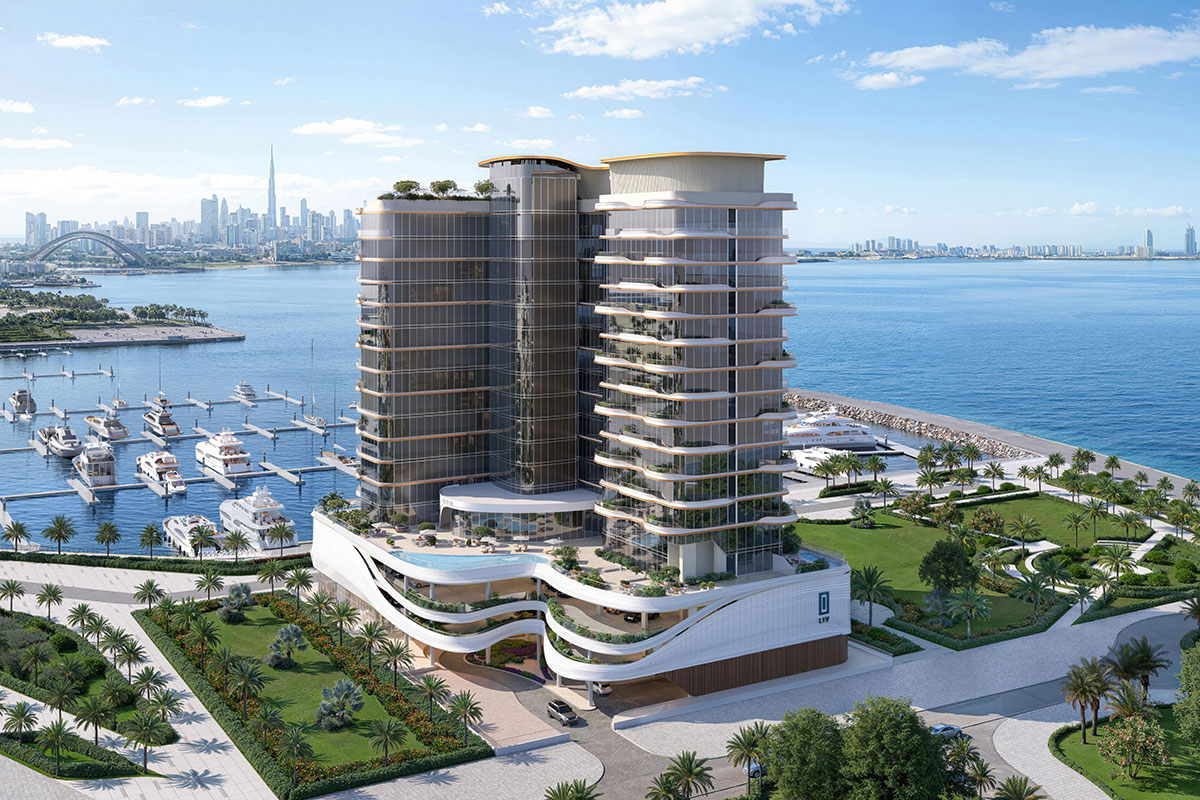
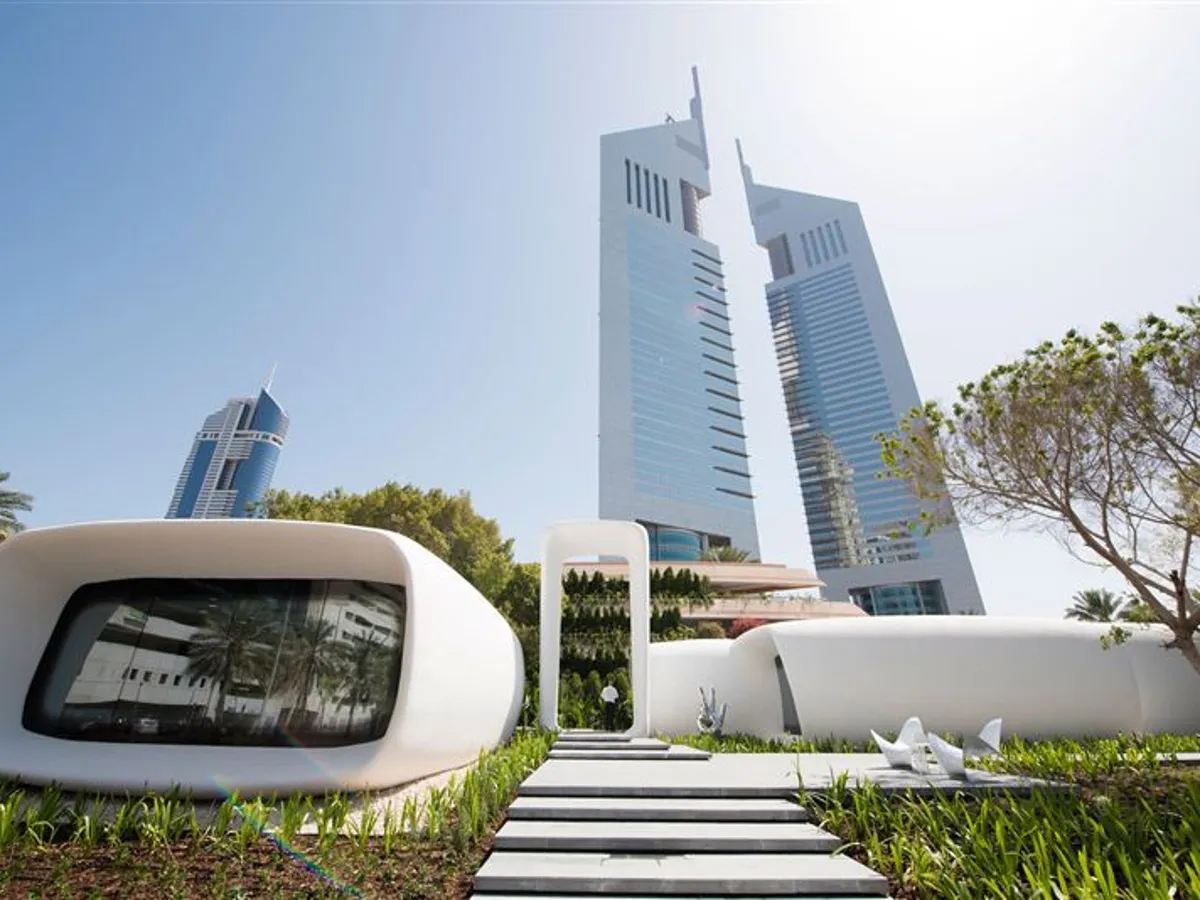
The construction landscape is evolving rapidly, and one of the most exciting developments on the horizon is the advent of 3D-printed homes in the UAE. As the country embraces innovation and technology, this new building method promises to reshape the way we think about housing. In this article, we will explore what they are, their benefits, challenges, and what we can expect as they start to emerge in the UAE.
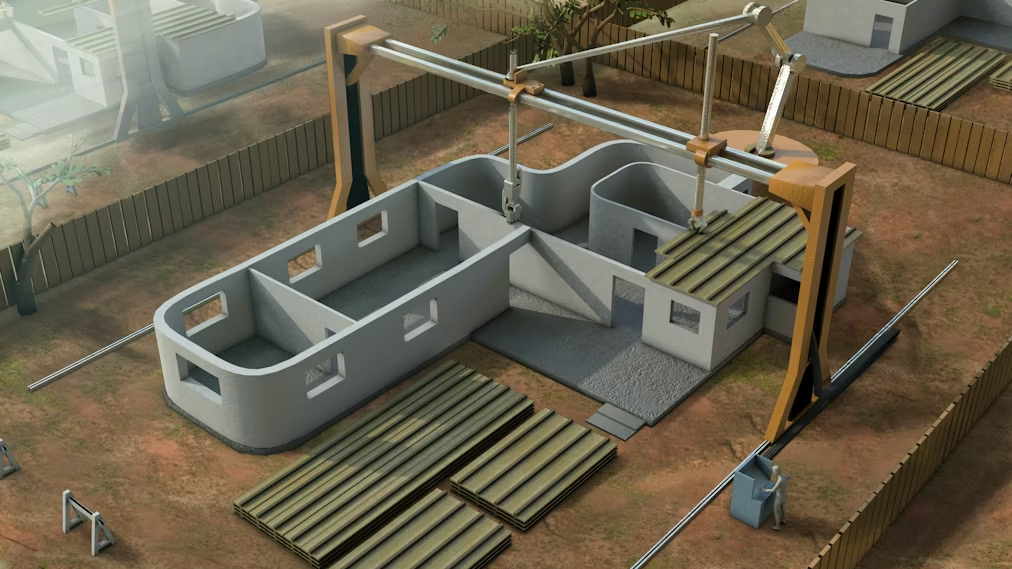
3D-printed homes are constructed using additive manufacturing technology, where layers of material are added to create a complete structure. This innovative approach allows for rapid construction, cost savings, and the ability to create complex designs with precision.
In the UAE, where urban development is booming and housing demands are high, 3D-printed homes represent a cutting-edge solution to meet these challenges. But what exactly does this mean for future homeowners and the construction industry alike?
One of the most significant advantages of 3D-printed homes is the speed at which they can be built. Traditional construction methods can take months or even years to complete a single home. In contrast, a 3D-printed house can be constructed in a matter of days. This rapid construction can help alleviate housing shortages and provide quick solutions for those in need of shelter.
3D printing technology also offers substantial cost savings. By reducing labor costs and minimizing material waste, these homes can be built at a fraction of the cost of traditional housing. This affordability can make homeownership more accessible for many people in the UAE.
With 3D printing, architects and designers have the freedom to create unique and customized homes tailored to individual preferences. This design flexibility allows for a diverse range of architectural styles and layouts, making it possible for homeowners to express their tastes in ways that were previously challenging with conventional construction.
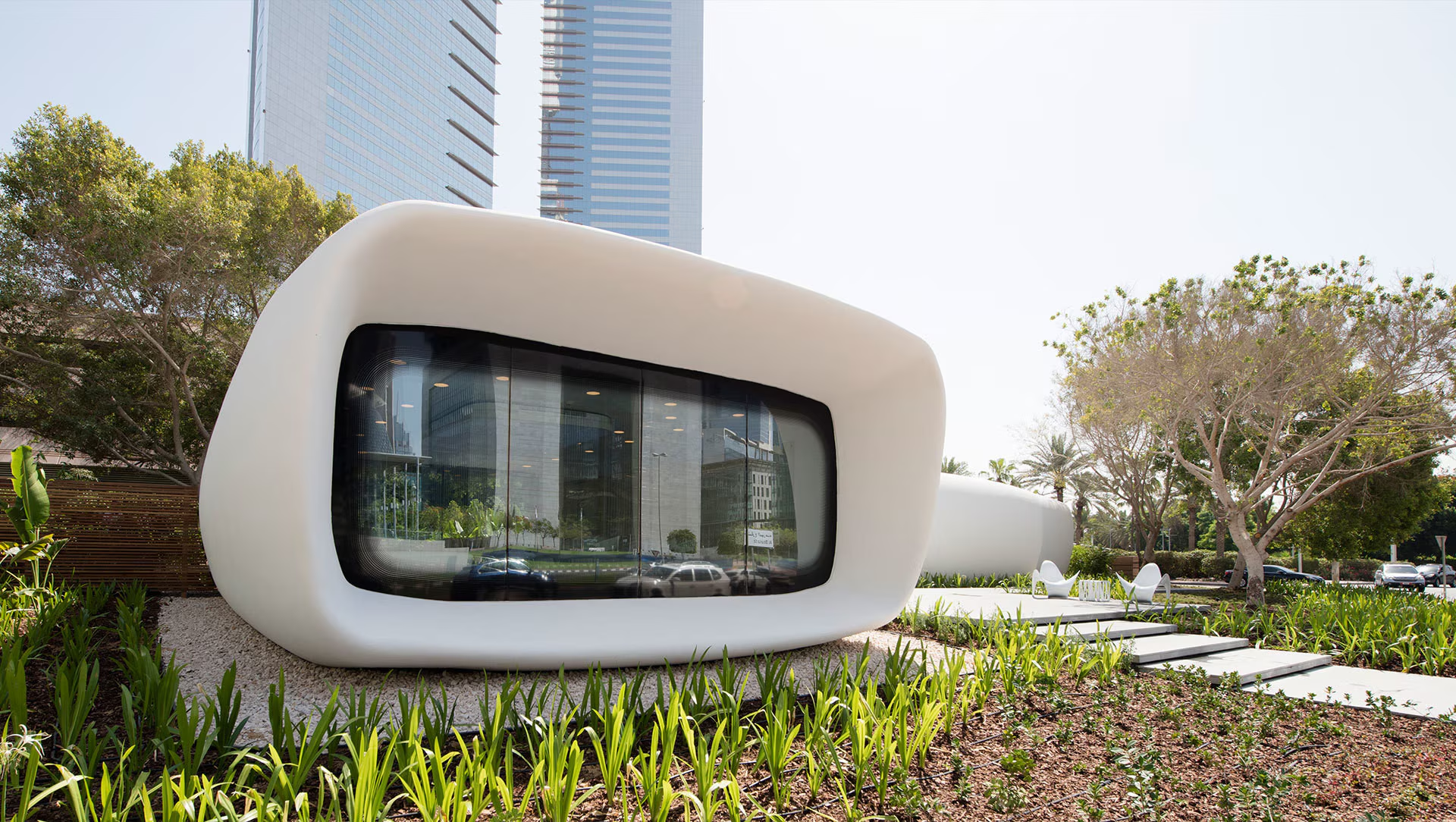
While the promise of 3D-printed homes is enticing, regulatory challenges remain. Building codes and standards must be revised to accommodate this new construction method. The UAE government is actively working on these regulations, but it will take time to ensure that safety and quality are maintained.
Another challenge is the public’s perception of 3D-printed homes. Many people may still associate these structures with low-quality or temporary housing. However, as more high-quality 3D-printed homes are built and showcased, it is likely that perceptions will shift, leading to greater acceptance and demand.
Currently, 3D printing technology is continually evolving, and there are limits to the materials that can be used. While concrete is the most common material for 3D-printed homes, ongoing research is exploring other sustainable materials that could enhance the durability and environmental friendliness of these structures.
The UAE government has recognized the potential of 3D printing in the construction industry. Initiatives like the Dubai 3D Printing Strategy aim to make 3D printing a significant part of the construction sector by 2030. This push will likely lead to increased investment in technology and infrastructure to support the growth of 3D-printed homes.
With the global focus on sustainability, 3D-printed homes can contribute to eco-friendly living. These homes can be designed to be energy-efficient and use sustainable materials, aligning with the UAE’s commitment to green building practices. The integration of solar panels and advanced energy systems can further enhance their sustainability.
3D-printed homes have the potential to revolutionize community development in the UAE. By creating entire neighborhoods of affordable, customizable homes, this technology can help foster a sense of community while addressing the housing needs of diverse populations. It could also provide opportunities for mixed-use developments, incorporating residential, commercial, and recreational spaces.
As 3D-printed homes begin to emerge in the UAE, we can expect a wave of innovation and transformation in the housing market. Here are some key expectations:
With the rapid construction capabilities of 3D printing, we can anticipate a rise in the availability of affordable housing options. This could significantly alleviate the housing crisis in urban areas and offer solutions for low-income families.
The UAE is known for its ambitious architectural projects, and 3D-printed homes will likely be no exception. Expect to see stunning examples of this technology showcased in exhibitions and real estate developments, attracting both local and international attention.
The success of 3D-printed homes will depend on collaboration among government, private sector, and technology developers. As these stakeholders work together to address challenges and promote innovation, the future of 3D-printed homes in the UAE looks promising.
3D-printed homes are coming to the UAE, and the implications are vast. With rapid construction times, cost efficiency, and design flexibility, this technology has the potential to revolutionize the housing market. As the UAE invests in this innovative approach, we can expect to see a future where affordable, sustainable, and customizable homes become a reality for many.
The journey is just beginning, but the excitement surrounding 3D-printed homes in the UAE is palpable. As we look ahead, the possibilities are endless, and the impact on communities, families, and the environment could be profound.
Do Follow Estate Magazine on Instagram
Read More:- Dubai’s Prime Homes Surge Strong as Global Wealth Flows In 2025