Dubai is at the forefront of innovation, and one of the most exciting developments in recent years has been the establishment of drone delivery zones. These zones are not just a technological advancement; they have profound implications for real estate in the region. As drone delivery services become more commonplace, they are transforming the way properties are valued, developed, and utilized. In this article, we will delve into Dubai’s drone delivery zones and explore their significant impacts on real estate.
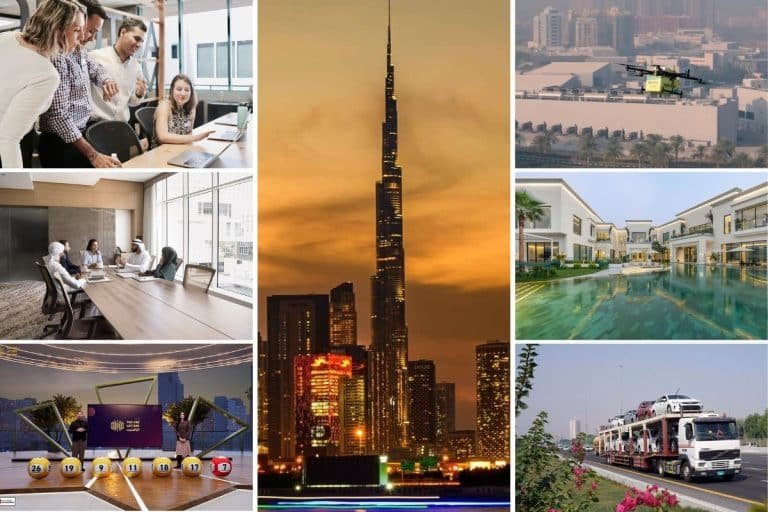
Drone delivery zones are designated areas where drones can take off, land, and navigate safely while delivering goods. In Dubai, these zones have been strategically established to facilitate efficient logistics, reduce traffic congestion, and enhance the overall delivery experience. The city’s commitment to becoming a global leader in drone technology has led to the creation of these zones, which are equipped with advanced infrastructure to support drone operations.
The technology powering drone deliveries includes sophisticated navigation systems, real-time data analytics, and robust safety protocols. Drones are equipped with GPS, cameras, and sensors that allow them to navigate urban landscapes efficiently. In Dubai, the government has invested heavily in regulatory frameworks and technological advancements to ensure that drone deliveries are safe, reliable, and integrated seamlessly into the existing infrastructure.
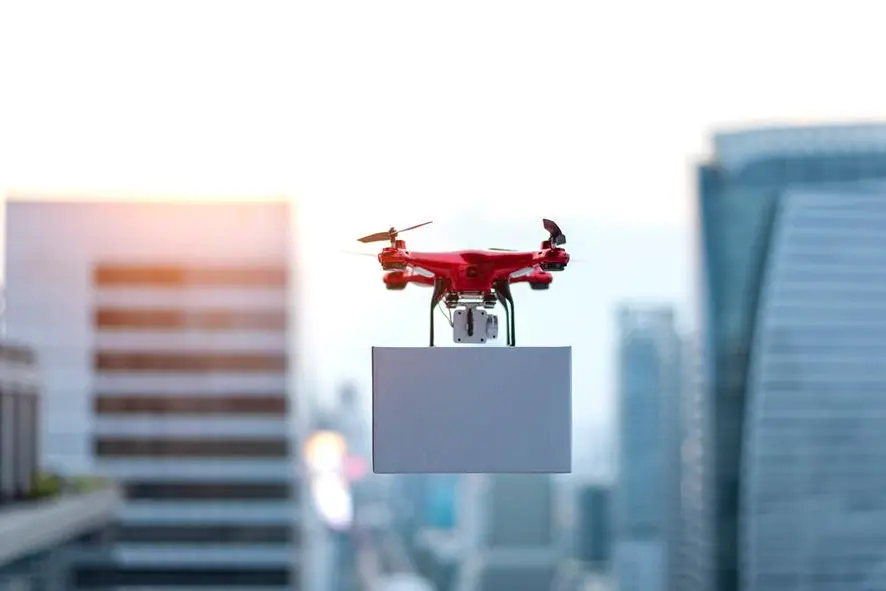
One of the most immediate impacts of drone delivery zones on real estate is the potential for increased property values. Properties located near these zones are likely to experience a surge in demand as the convenience of drone deliveries becomes a sought-after feature. Buyers and investors are increasingly looking for properties that offer easy access to logistics hubs, which can significantly enhance their allure and market value.
Commercial properties situated in or near drone delivery zones stand to benefit substantially. Businesses can leverage drone delivery services to reach customers quickly and efficiently, which may lead to increased sales and customer satisfaction. This shift can transform the retail landscape, as businesses that adopt drone technology may gain a competitive edge, thus influencing rental and purchase prices in the vicinity.
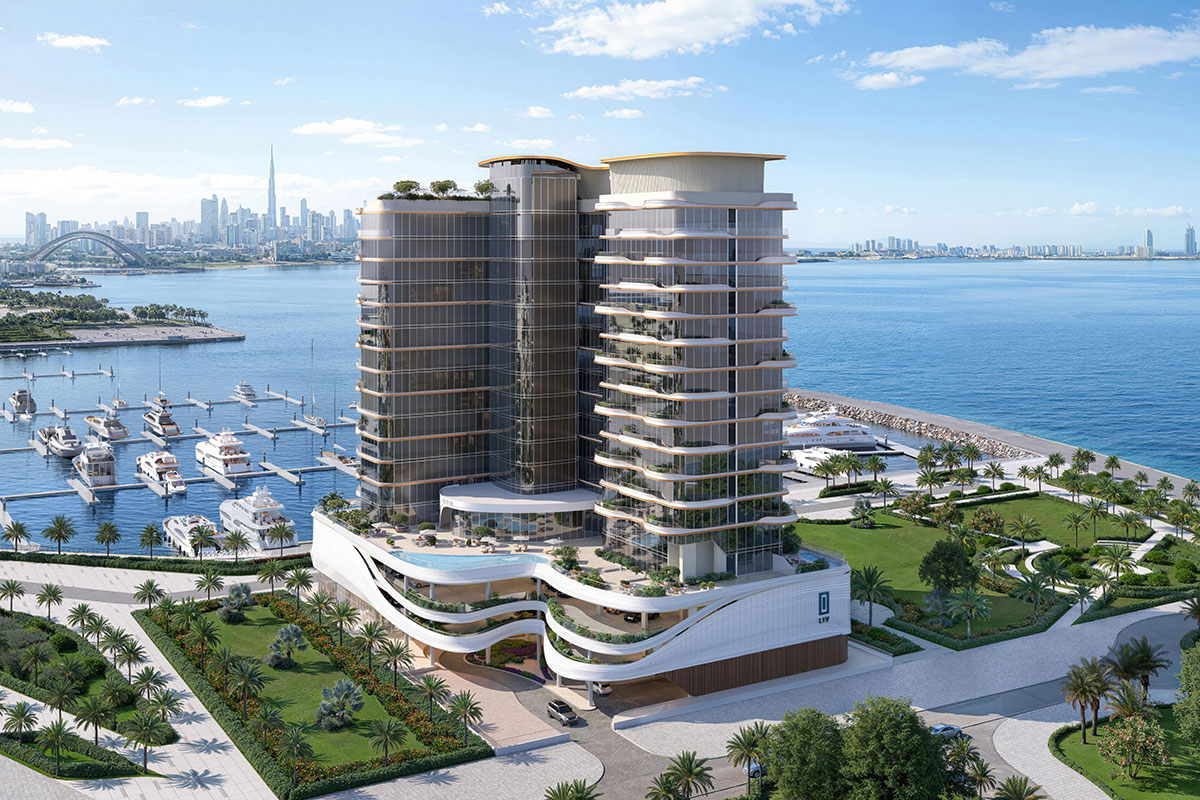
The establishment of drone delivery zones has prompted new development projects in Dubai. Developers are keen to create mixed-use properties that incorporate drone delivery capabilities, catering to the growing demand for convenience and efficiency. Such projects not only meet the needs of modern consumers but also contribute to the overall urban planning strategy of Dubai, making the city more accessible and interconnected.
For residents, the introduction of drone delivery zones means unparalleled convenience. Imagine ordering groceries or online shopping and receiving them at your doorstep within minutes. This immediate gratification enhances the living experience, making Dubai an even more attractive place to live. The speed and efficiency of drone deliveries can also alleviate the frustrations often associated with traditional delivery methods.
With the rise of drone deliveries, there is potential for a significant reduction in road traffic. As more goods are delivered via drones, fewer delivery trucks will be on the roads, leading to less congestion and lower emissions. This shift not only improves the quality of life for residents but also aligns with Dubai’s sustainability goals, promoting a greener urban environment.
While the prospects of drone delivery zones are exciting, there are regulatory challenges that need to be addressed. The integration of drones into urban spaces requires a robust framework to ensure safety and efficiency. Regulatory bodies must continuously update policies to keep pace with technological advancements and address concerns such as privacy, airspace management, and safety protocols.
The success of drone delivery zones depends heavily on the development of adequate infrastructure. This includes not only the physical zones themselves but also the technology required for seamless operations. Investment in infrastructure is crucial to support the growth of drone deliveries and their integration with existing logistics systems.
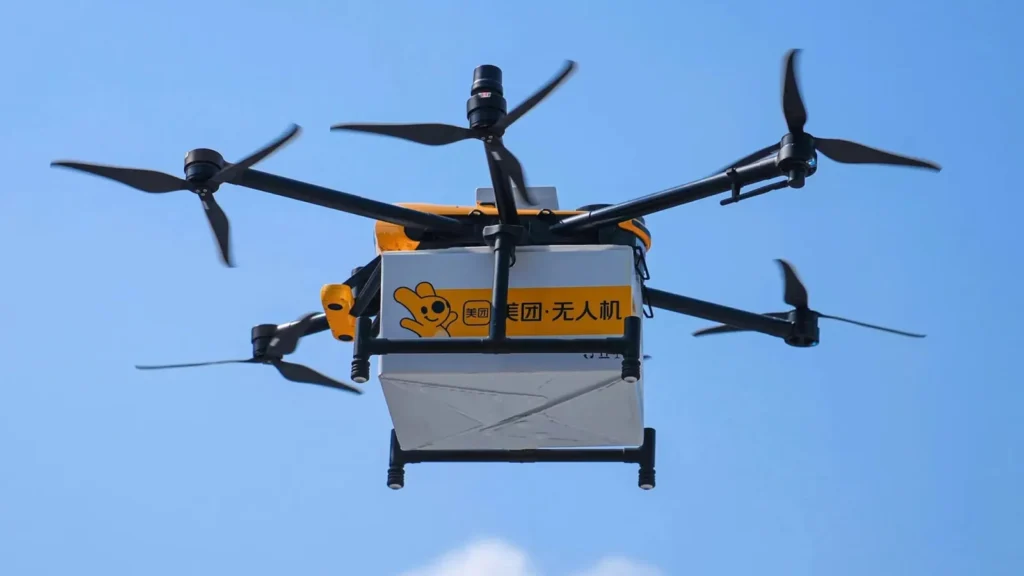
As Dubai continues to evolve into a smart city, the role of drone delivery zones will become increasingly significant. Smart cities leverage technology to enhance urban living, and drone deliveries are a key component of this vision. Real estate developers will likely focus on creating properties that are compatible with smart technologies, thereby increasing their appeal in a competitive market.
The integration of drone delivery zones aligns perfectly with sustainability initiatives being pursued in Dubai. As the city aims to reduce its carbon footprint, the use of electric drones for deliveries can play a pivotal role. Properties that prioritize sustainability and efficiency are likely to attract more buyers and investors, further influencing the real estate market.
Dubai’s drone delivery zones are not just a glimpse into the future of logistics; they represent a transformative force in the real estate sector. The impacts on property values, commercial opportunities, and urban development are profound and far-reaching. As these zones continue to expand and evolve, they will undoubtedly redefine the way we think about real estate in Dubai. The convergence of technology and real estate presents exciting opportunities for investors, developers, and residents alike, paving the way for a more connected, efficient, and sustainable urban landscape. Embracing these changes will be essential for anyone looking to thrive in Dubai’s dynamic and innovative real estate market.
Do Follow Estate Magazine on Instagram
Read More:- Dubai’s Prime Homes Surge Strong as Global Wealth Flows In 2025