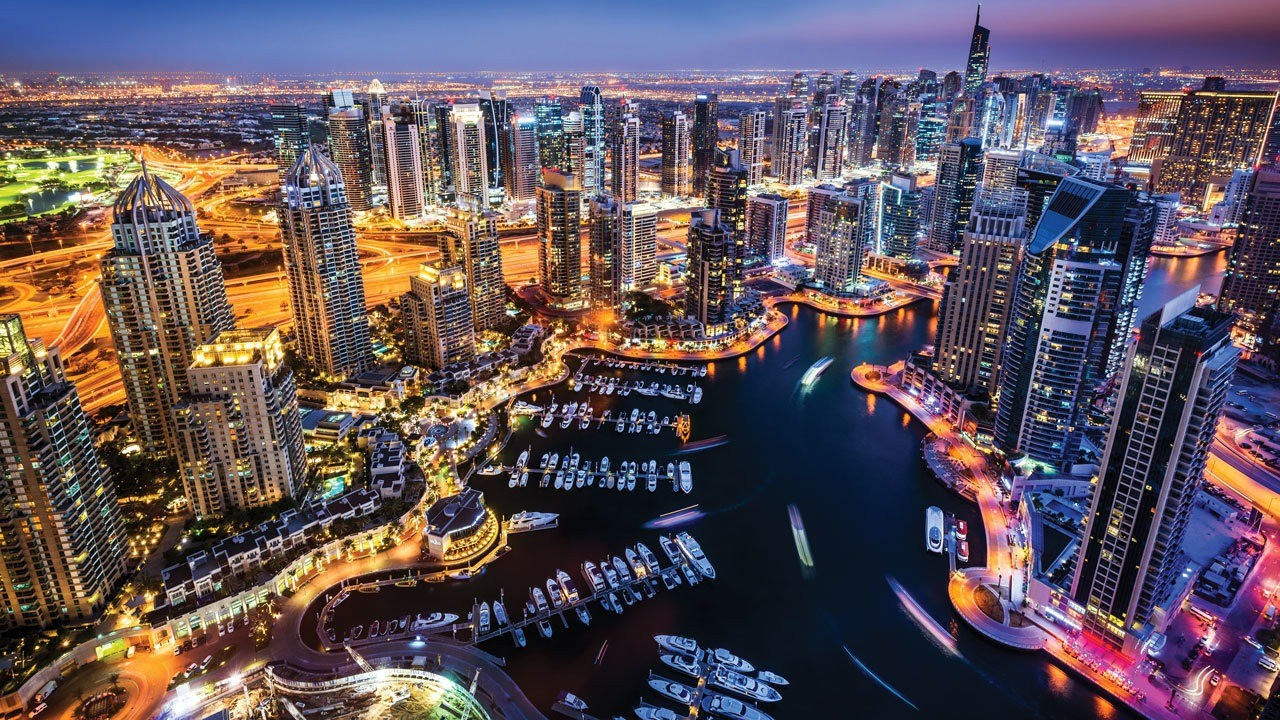
The UAE real estate market has witnessed a remarkable surge in growth during the third quarter, largely fueled by tight supply conditions. Developers across Dubai, Abu Dhabi, and other emirates are experiencing unprecedented demand for residential and commercial properties, as buyers and investors seek to secure their investments in a market where inventory is increasingly limited.
The shortage of available properties has created a competitive environment, driving prices upward while attracting local and international investors eager to benefit from the sector’s robust performance. The dynamics of supply and demand are proving to be the primary engine behind the remarkable momentum in the UAE property market.
In the residential segment, the shortage of mid-range and luxury apartments is particularly pronounced. Buyers looking for family homes or investment properties face limited options, which has led to a noticeable increase in property prices across prime locations.
Developers have reported faster sales cycles, with many new projects achieving high occupancy rates even before completion. This trend reflects a growing confidence among buyers who view UAE real estate as a stable and lucrative investment.
Certain areas in Dubai, such as Downtown Dubai, Business Bay, and Palm Jumeirah, continue to attract strong interest from buyers. In Abu Dhabi, waterfront communities and city-center developments are seeing similar trends. These high-demand areas are characterized by limited new launches, further intensifying the scarcity factor and pushing prices upward.
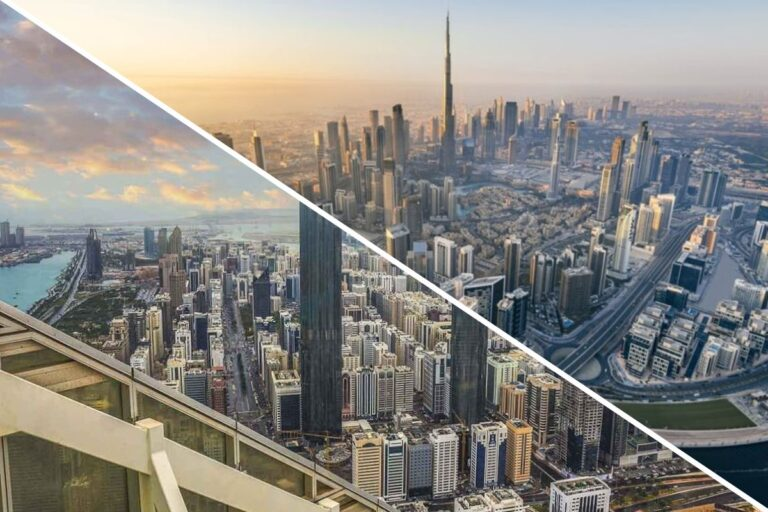
The commercial property segment is also experiencing growth, particularly in office spaces and retail outlets. Tight supply, coupled with a recovering economy and a return to business confidence, has encouraged companies to secure strategic locations.
Investors are increasingly looking for commercial properties that offer both steady rental income and potential capital appreciation. The limited availability of premium office spaces in key business districts has created a seller’s market, giving property owners the leverage to command higher rents.
Retail spaces in high-traffic areas are seeing renewed interest, driven by a combination of tourism recovery and domestic spending. Similarly, hotels and serviced apartments are benefiting from rising occupancy rates, making hospitality investments more attractive than ever.
Foreign investors continue to play a significant role in UAE real estate growth. The market’s transparency, attractive returns, and safe investment environment make it an appealing destination for non-resident buyers.
Tight supply conditions have particularly encouraged international buyers to act quickly, fearing that delays could mean missing out on profitable opportunities. Many expatriates and overseas investors are focusing on properties that combine lifestyle appeal with investment potential, such as waterfront villas and luxury apartments.
Investors from Europe, Asia, and the Middle East are among the most active buyers. They are drawn by the UAE’s tax-friendly policies, world-class infrastructure, and stable political environment, which collectively enhance the country’s reputation as a global real estate hub.
The UAE government has played a crucial role in maintaining market stability during this period of growth. Proactive policies, including visa reforms, flexible financing options, and clear regulations for foreign investors, have boosted confidence among buyers and developers alike.
These measures not only encourage investment but also help maintain a healthy balance between supply and demand, ensuring sustainable growth in the long term.
Recent updates to real estate laws have provided greater protection for investors and streamlined the purchasing process. These regulatory improvements have reduced market friction, making it easier for both first-time buyers and seasoned investors to enter the market with confidence.
Developers are actively responding to supply shortages by accelerating project timelines and launching new developments in strategic locations. Innovative design, sustainable construction practices, and integrated communities are becoming key selling points as buyers seek long-term value.
The focus on quality over quantity ensures that new developments meet the rising expectations of a sophisticated buyer base. As a result, even with limited supply, developers are able to maintain strong sales performance.
Alongside new projects, investment in infrastructure, such as roads, transport links, and community facilities, is enhancing the appeal of emerging areas. These improvements make new neighborhoods more attractive to buyers and help balance the pressure on high-demand locations.
Tight supply conditions have naturally led to a rise in property prices, particularly in areas where demand far outpaces availability. This upward trend is visible across all property types, including apartments, villas, and commercial spaces.
Experts suggest that while the rate of growth may stabilize in the coming months, the long-term trajectory remains positive due to sustained demand and controlled supply.
Mid-range properties have seen the highest percentage increases, reflecting a combination of affordability and strong demand from families and expatriates. Luxury properties, on the other hand, continue to attract high-net-worth investors seeking premium lifestyles and exclusive locations.
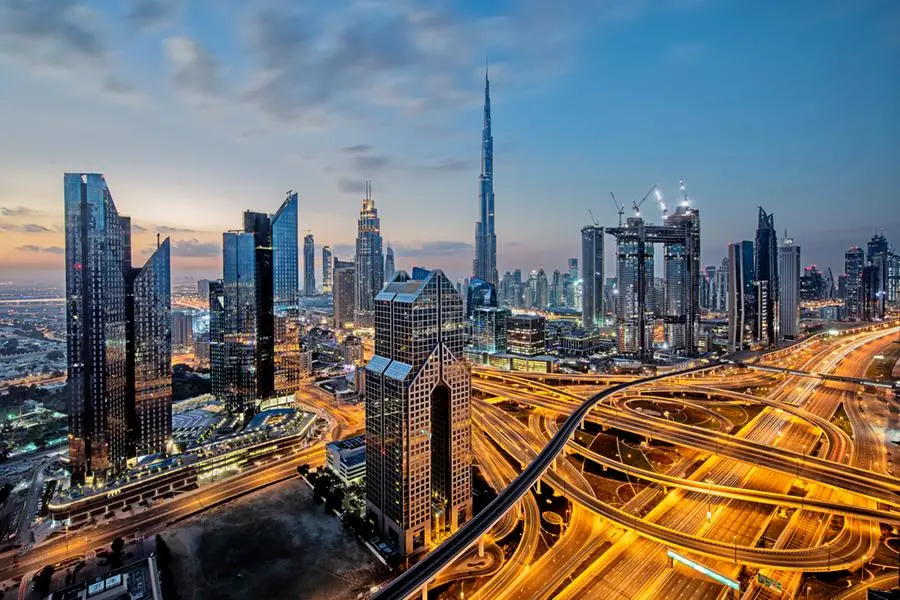
Looking ahead, the UAE real estate market is expected to continue its growth trajectory, driven by strong demand, limited supply, and supportive government policies. Developers are likely to prioritize quality projects, focusing on areas with high potential for appreciation and rental returns.
The continued interest from international investors and the return of tourism will further enhance market momentum, ensuring that property investment remains an attractive option in the UAE.
New areas on the periphery of major cities are gaining attention, as developers create master-planned communities that combine residential, commercial, and leisure components. These emerging hotspots provide alternatives to oversaturated prime locations while maintaining strong investment potential.
Proptech innovations are also transforming the market, making property search, transaction, and management processes more efficient. Digital platforms, virtual tours, and AI-driven analytics are empowering buyers and investors to make informed decisions quickly, an important advantage in a market constrained by tight supply.
The third quarter has demonstrated that tight supply conditions are a key driver of growth in the UAE real estate sector. Residential and commercial markets alike are benefiting from strong demand, rising prices, and increased investor confidence.
As developers respond to market needs and government policies continue to support investment, the UAE property market is positioned for sustained growth. Buyers and investors who act strategically in this competitive environment stand to gain significant long-term value, making now a pivotal time for participation in the UAE real estate sector.
The combination of limited supply, proactive government measures, and continued international interest ensures that the UAE remains a prime destination for property investment, offering both lifestyle benefits and financial returns in a dynamic and evolving market.
Do Follow Estate Magazine on Instagram
Read More:- Palantir’s Bold AI Move Promises Major Boost for Dubai Real Estate 2025