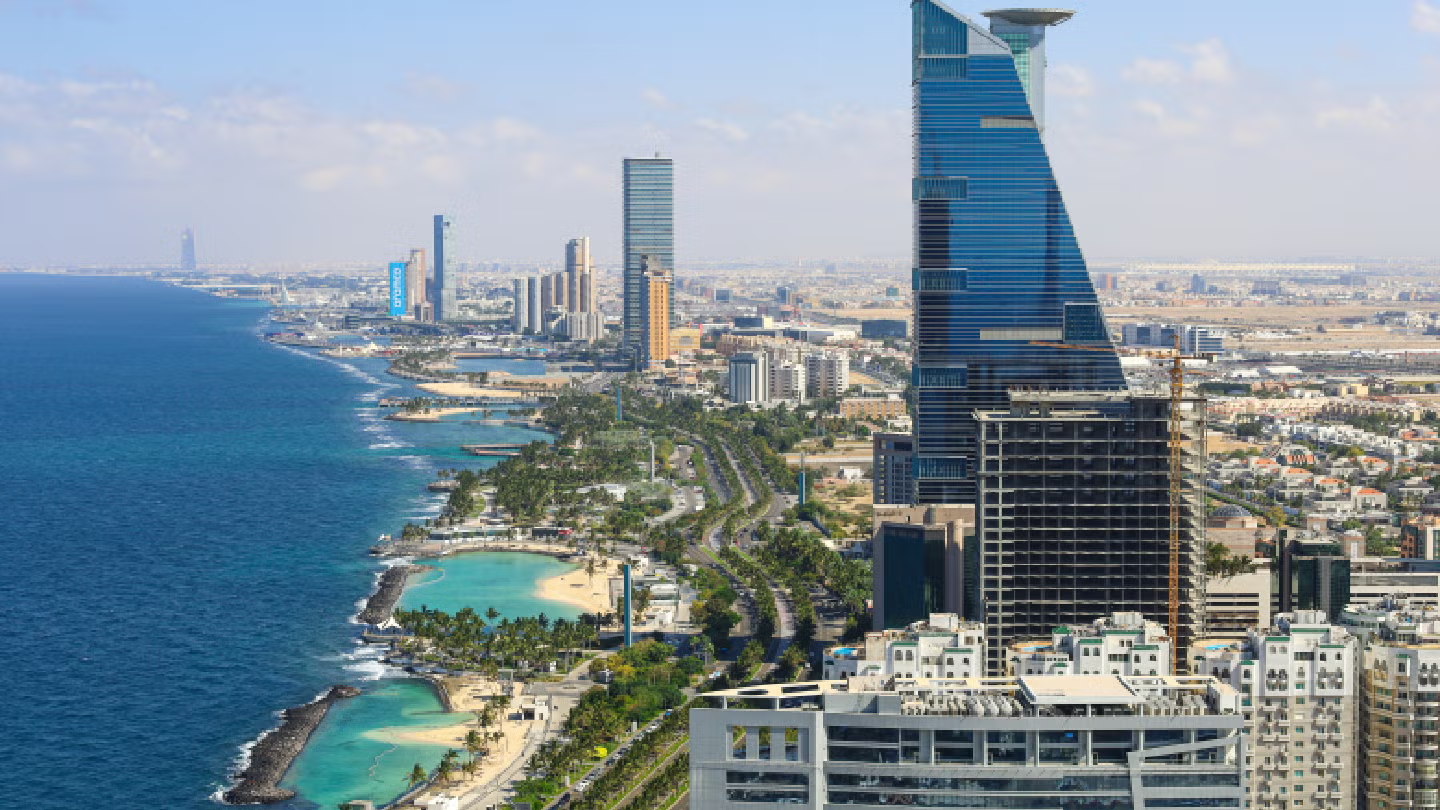
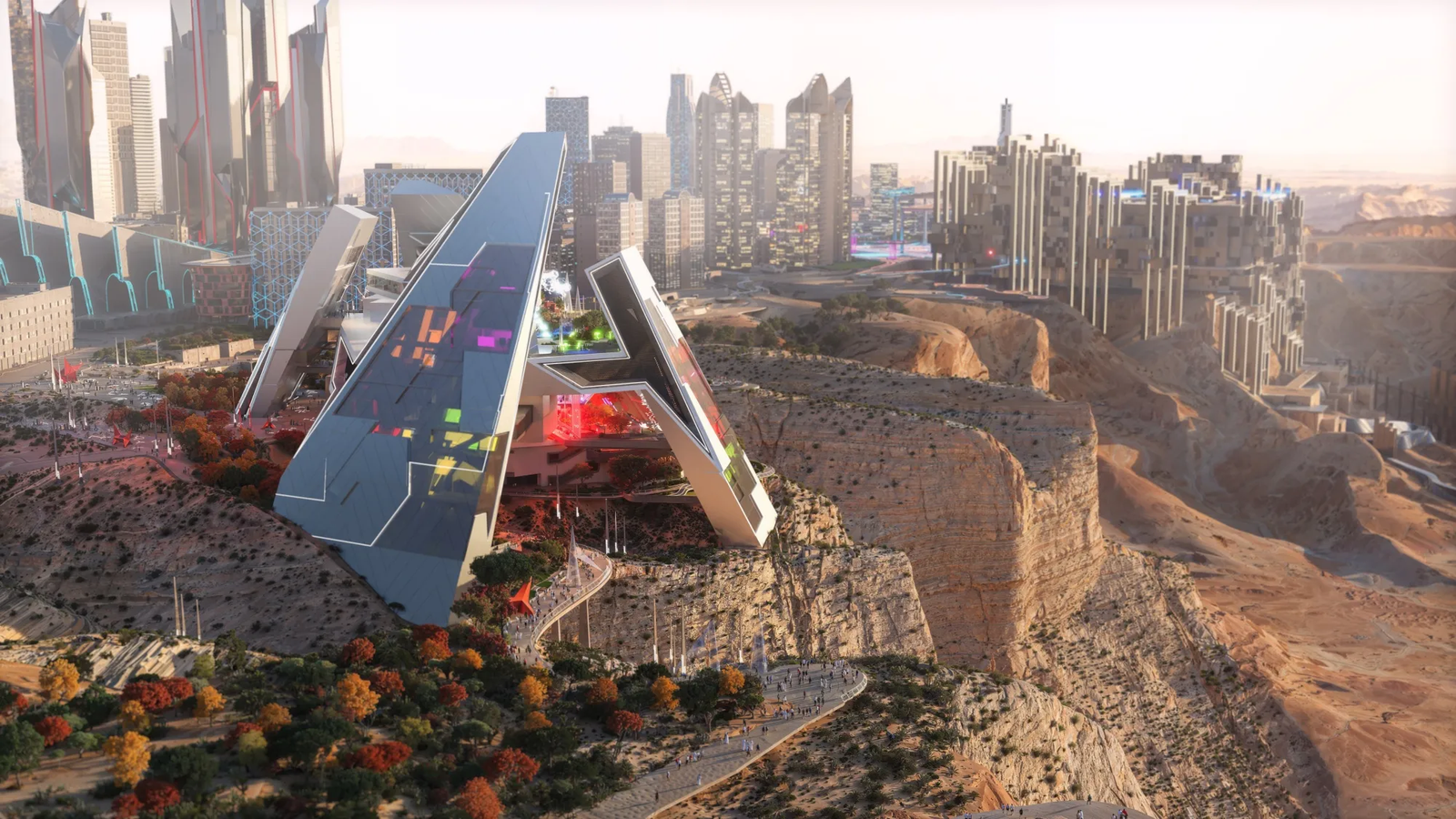
Across Saudi Arabia, 2025 is shaping up to be a quieter, more measured year for construction. Yet behind this calm atmosphere is a powerful sense of preparation. Developers, government entities and investors are using this period to reset, refine strategies and strengthen financial positions. Instead of rushing into new mega-projects, the Kingdom is taking the time to ensure every future step is more impactful than the last.
This pause is not a sign of slowdown, but a strategic moment of realignment. After years of rapid announcements and global attention, Saudi Arabia is preparing itself for the next big wave of development—one that is expected to be even more organised, more sustainable and more transformative than the first.
Saudi Arabia’s real estate and construction sectors have seen intense activity over the past decade. Gigaprojects like NEOM, The Red Sea, Qiddiya and Diriyah have set the global stage, drawing international talent and investment. But as these megaprojects move deeper into execution phases, the Kingdom is entering a necessary cycle of restructuring.
Developers are reviewing budgets, evaluating priorities and focusing on quality rather than quantity. The government, too, is ensuring that policies align with long-term national objectives under Vision 2030. Instead of launching dozens of new projects simultaneously, stakeholders are choosing to build a stronger foundation for what comes next.
Many industry leaders believe this quiet period is exactly what Saudi Arabia needs a moment to catch its breath before entering a new phase of construction that will be even more robust and well-coordinated.
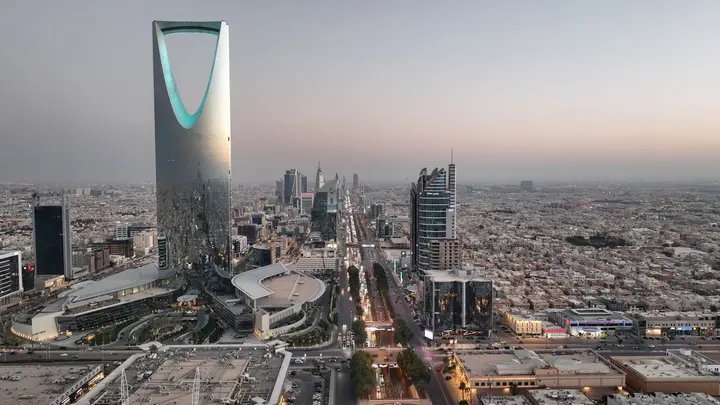
Over the past few years, massive announcements created excitement, but they also added pressure to meet overly ambitious timelines. In 2025, many developers are shifting toward realistic delivery schedules and more controlled project rollouts.
This change comes with several advantages.
First, it helps developers avoid cost overruns. Second, it allows for better labor and contractor management. Third, it gives international partners confidence that projects are being handled in a sustainable manner.
Saudi Arabia is not scaling back its ambitions—it is simply pacing them for maximum impact.
Behind the scenes, the Kingdom is investing heavily in systems and frameworks to support future growth. Digital transformation is becoming a cornerstone of the construction sector. Technologies like AI-enabled project monitoring, drone mapping, digital twins and smart infrastructure planning are being integrated into major developments.
This technological shift ensures that the next construction boom will be more efficient, environmentally responsible and future-ready.
Contractors are also undergoing transformations. Many are adopting new models of training, automation and compliance. The focus is moving from manual-heavy work to high-tech construction methods that reduce waste and increase precision.
Despite a quieter 2025, investor interest in Saudi Arabia remains exceptionally strong. Global firms view this transitional year as an opportunity rather than a setback. For many, it signals that the Kingdom is maturing as a market.
The fundamentals driving investor confidence include:
Strong population growth
A young workforce
Ambitious long-term national plans
Growing tourism and entertainment demand
Rising global trust in Saudi Arabia’s economic reforms
The Kingdom’s leadership continues to reassure investors that megaprojects are being refined, not cancelled. The commitment to Vision 2030 remains fully intact.
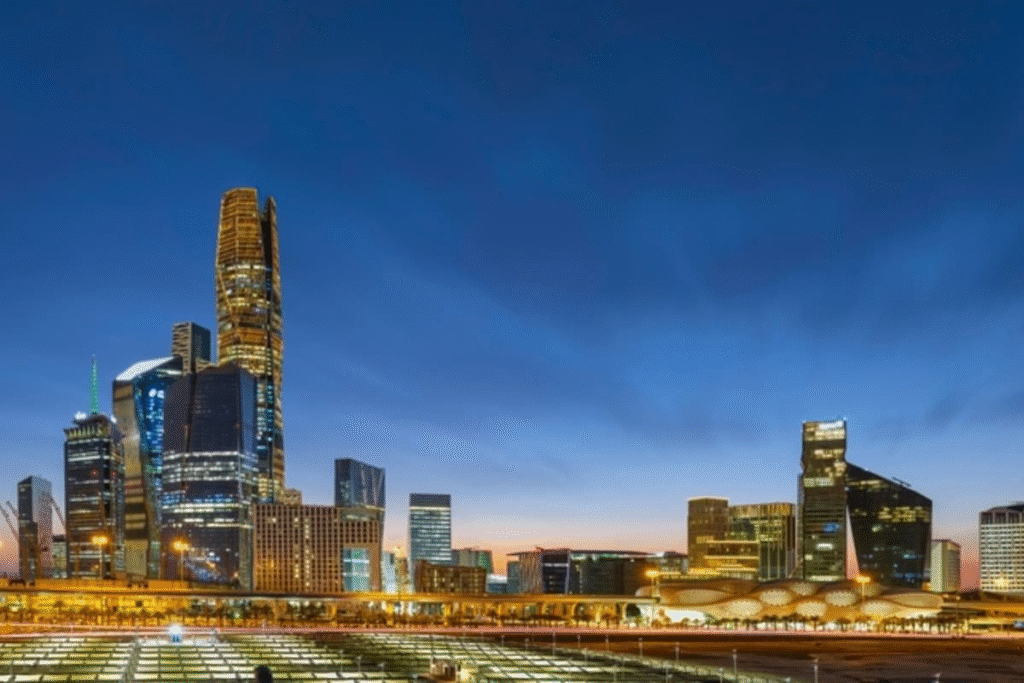
One of the biggest drivers of future construction activity is the ongoing housing demand. With a rapidly growing population, increasing household formation and expanding expatriate presence, Saudi Arabia requires millions of new homes over the next decade.
Even in a quieter year, developers are actively planning large-scale housing communities, especially in key markets like Riyadh, Jeddah and the Eastern Province. These developments are expected to accelerate significantly as soon as the next wave of construction begins.
Affordable housing, smart homes and integrated communities are becoming top priorities as families look for better living environments that offer convenience, technology and comfort.
The capital city continues to be the country’s biggest magnet for development. Riyadh’s business-friendly environment, growing expatriate workforce and future global events are driving demand for new infrastructure.
New business districts, residential communities and entertainment spaces are being master-planned to support Riyadh’s ambition of becoming one of the world’s top economic hubs.
NEOM remains one of the world’s most ambitious projects. While 2025 may not bring as many flashy announcements, the internal work continues at a rapid pace. Infrastructure planning, contractor onboarding and land preparation are in full swing.
The focus is shifting from marketing to execution.
These luxury tourism zones continue progressing steadily with a focus on sustainable, high-end development. Workers’ villages, hospitality infrastructure and utilities are being prepared for the surge of activity expected in the coming years.
Diriyah is evolving into a cultural powerhouse. A quieter 2025 simply means the master plan is being optimised for long-term success. Museums, heritage zones and residential districts are expected to expand significantly in the next phase.
As Saudi Arabia prepares for its next construction boom, one of the most important developments is the evolution of the workforce. The Kingdom is investing heavily in training programs to enhance skills in engineering, technology, project management and advanced construction methods.
For young Saudi professionals, this shift is opening up new opportunities in fields such as urban planning, sustainability, architecture, logistics and digital engineering.
This also strengthens the country’s long-term goal of reducing reliance on foreign labor while upskilling the domestic workforce.
Another important shift in 2025 is the increasing emphasis on sustainability. Saudi Arabia is positioning itself as a leader in sustainable construction and green urban planning. Solar energy integration, water recycling, smart mobility and low-emission building designs are becoming standard components in new projects.
Developers understand that the next construction surge will not only be about building more—it will be about building better.
New regulations promoting environmental responsibility are shaping how developers plan projects. From energy-efficient materials to waste-reduction systems, sustainability is becoming a default requirement.
Smart infrastructure is no longer a futuristic idea. It is becoming a practical necessity. Cities are being designed with integrated transportation systems, digital monitoring tools and AI-enabled services that support long-term livability.
A quiet year gives the Kingdom space to:
Re-evaluate project priorities
Strengthen financial stability
Deepen partnerships with international contractors
Set realistic delivery timelines
Focus on sustainability and smart technologies
Improve workforce readiness
Enhance master plans for megaprojects
These steps create the groundwork for the next big construction wave one that is expected to be both massive and meticulously planned.
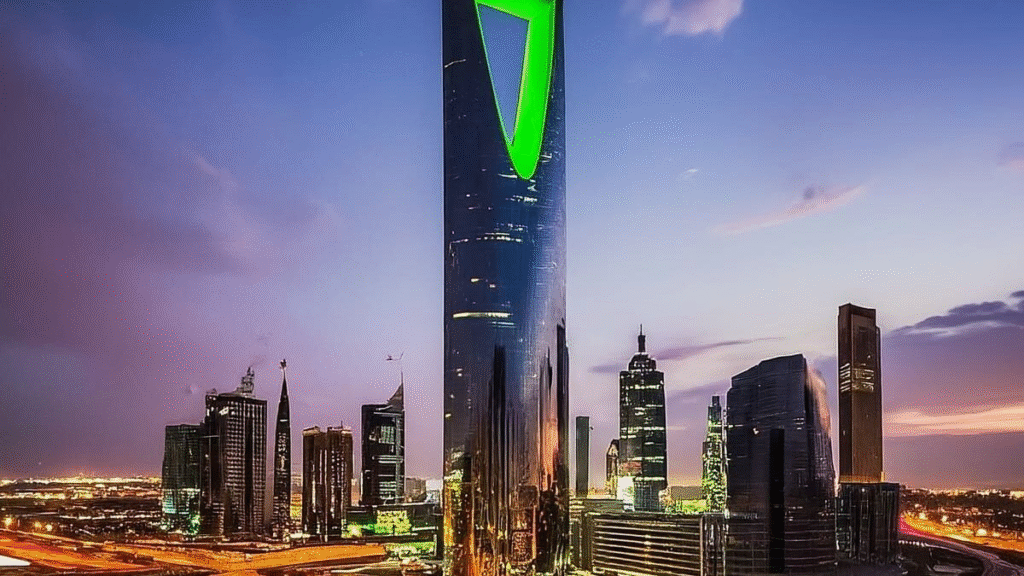
Industry experts believe that from 2026 onward, Saudi Arabia will enter a powerful second phase of development. This phase will deliver:
New megaproject districts
Large-scale residential expansions
Advanced tourism and entertainment offerings
Significant infrastructure updates
Smart city systems
Health, education and industrial zones
Major foreign investment inflows
The foundation being laid in 2025 ensures that this growth will be both sustainable and economically rewarding.
Saudi Arabia’s construction ambitions are not just about skyscrapers and megaprojects. They are about people. Families are looking for more comfortable homes, better transportation, greener cities and stronger job opportunities. Youth want modern workplaces, entertainment choices and international exposure. Business owners want environments that allow innovation and growth.
The planning happening now is deeply connected to improving daily life for millions of residents.
A quieter 2025 may feel slow on the surface—but it is paving the way for a future that promises more comfort, more opportunity and more prosperity for everyone living in the Kingdom.
Saudi Arabia’s long-term trajectory remains powerful. Vision 2030 is not a short-term campaign—it is a multi-decade transformation. A strategic pause in 2025 is simply part of the natural lifecycle of large-scale development.
When the next surge arrives, it is expected to be stronger, more coordinated and more visionary than ever before.
The construction industry may be quiet this year, but the silence carries purpose. It is the sound of a nation preparing for extraordinary growth.
Do Follow Estate Magazine on Instagram
Read More:- IHG’s New Jeddah Hotel Promises Bold Boost to Tourism 2025