
Hyderabad’s real estate story has always been about ambition, reinvention, and scale. From HITEC City to Financial District, the city has repeatedly shown its ability to absorb big ideas and turn them into thriving urban ecosystems. Now, a new chapter appears to be unfolding along the banks of the Musi River, as Dubai-based real estate giant Emaar Group proposes a mega riverfront development that could redefine how Hyderabad lives, works, and connects with its natural landscape.
The proposal has sparked curiosity, optimism, and high expectations among developers, investors, policymakers, and residents alike. More than just another real estate project, the Musi Riverfront vision is being seen as a chance to combine global expertise with local aspirations, transforming an underutilised stretch of the city into a landmark destination.
Emaar Group is not just another international developer testing Indian waters. It is a name synonymous with iconic urban destinations across the world. From master-planned communities to mixed-use developments that integrate residential, commercial, retail, hospitality, and leisure spaces, Emaar has built a reputation for shaping city skylines rather than merely adding buildings to them.
Emaar’s projects often go beyond construction. They create ecosystems where people live, work, and spend time. This destination-led approach is particularly relevant for a riverfront development, where the focus is as much on public spaces and experiences as it is on real estate value.
For Hyderabad, Emaar’s interest signals global confidence in the city’s long-term growth story. It also raises expectations around design quality, sustainability standards, and integrated urban planning.
Hyderabad’s rapid infrastructure growth, expanding metro network, strong IT and life sciences sectors, and relatively stable real estate market make it an attractive destination for global developers. The city also offers scale, something essential for a riverfront project that aims to reimagine a large urban corridor rather than a single plot.
For decades, the Musi River has been part of Hyderabad’s history but not its everyday urban life. Once a lifeline for the city, it gradually became neglected as development moved away from its banks. Today, the idea of revitalising the Musi is gaining momentum, driven by a broader vision of urban renewal and environmental restoration.
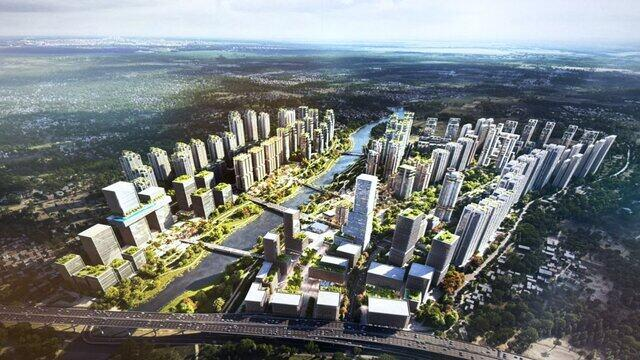
The proposed Musi Riverfront project aims to turn the river into an asset rather than a challenge. This means clean waterways, accessible promenades, green buffers, and public spaces that invite people back to the river.
A riverfront is not just about aesthetics. It is about reclaiming public space, improving environmental quality, and creating new economic and social activity zones within the city.
The Musi River flows through the heart of Hyderabad, connecting older neighbourhoods with emerging growth corridors. A well-planned riverfront development could act as a bridge between heritage zones and modern districts, ensuring balanced urban growth rather than isolated pockets of development.
While detailed plans are still evolving, the broad contours of Emaar’s proposal suggest a large-scale, mixed-use development that aligns with global riverfront best practices while addressing local needs.
One of the core components is expected to be premium and mid-segment residential spaces designed around open views, green corridors, and pedestrian-friendly layouts. River-facing homes often command strong demand, not just for their views but for the lifestyle they promise.
For Hyderabad, this could introduce a new residential typology focused on wellness, walkability, and community living rather than gated isolation.
Riverfront developments globally have shown that offices and business districts thrive when integrated with lifestyle amenities. The Musi Riverfront could include Grade-A office spaces, flexible work environments, and innovation hubs that attract both domestic and international companies.
Such commercial zones could also help decentralise office demand from already saturated micro-markets, creating new employment nodes within the city.
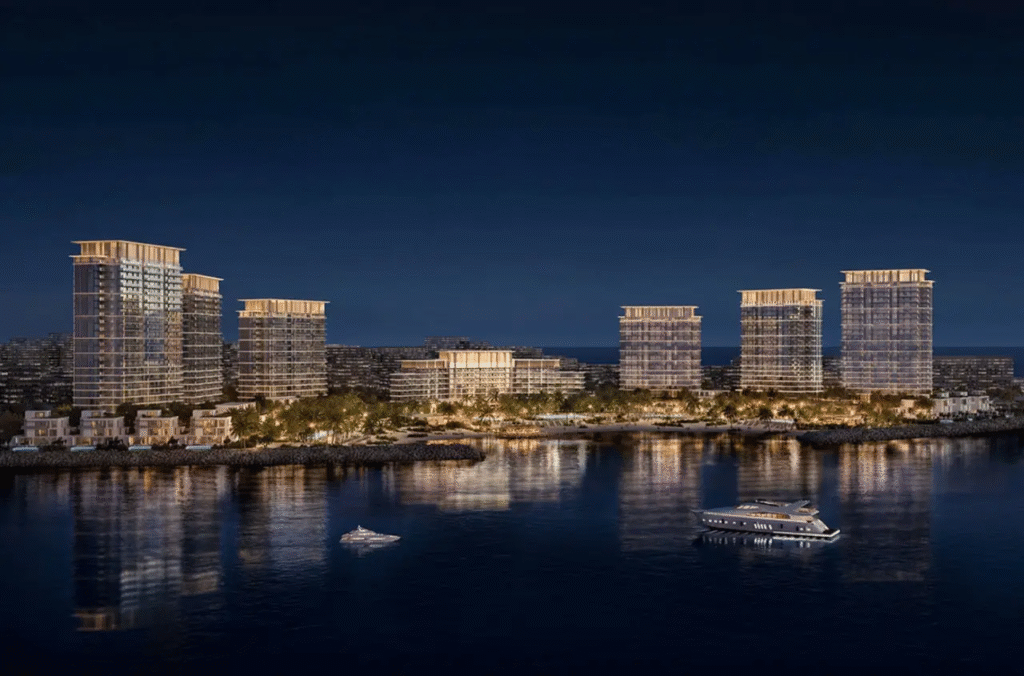
From waterfront cafes and cultural centres to luxury hotels and retail boulevards, leisure-driven development is expected to play a key role. These spaces are not just revenue drivers but also critical to making the riverfront a vibrant, all-day destination.
For residents, this means more accessible lifestyle options. For tourists, it adds a new reason to explore Hyderabad beyond its traditional attractions.
Any modern riverfront project must address environmental concerns head-on, and Emaar’s global portfolio suggests a strong emphasis on sustainable development.
Cleaning and maintaining the Musi River is central to the project’s success. This involves advanced sewage treatment, stormwater management, and ecological restoration to ensure that development does not come at the cost of environmental health.
Restored river ecosystems can improve air quality, reduce urban heat, and support biodiversity, making sustainability a lived experience rather than a marketing claim.
Large urban parks, shaded walkways, and native landscaping are likely to be integral to the riverfront plan. These elements help mitigate heat, encourage outdoor activity, and improve overall quality of life.
Buildings designed with climate responsiveness, natural ventilation, and energy-efficient systems can further align the project with Hyderabad’s long-term sustainability goals.
The ripple effects of a mega riverfront project extend far beyond its immediate boundaries. For Hyderabad’s real estate market, Emaar’s proposal could act as a catalyst for renewed interest and investment.
Riverfront developments tend to uplift surrounding property values by improving infrastructure, aesthetics, and lifestyle appeal. Areas that were previously overlooked could see renewed demand from both end-users and investors.
The involvement of a globally recognised developer also boosts confidence, particularly among non-resident Indians and institutional investors looking for credible, large-scale opportunities in India.
From construction and planning to retail, hospitality, and facility management, such a project can generate thousands of direct and indirect jobs. This economic activity benefits not just the real estate sector but also local businesses, service providers, and skilled professionals.
Over time, the riverfront could become a self-sustaining economic zone contributing significantly to the city’s GDP.
Large-scale urban projects require close coordination between private developers and public authorities. The Musi Riverfront proposal aligns with broader government ambitions to rejuvenate the river and improve urban infrastructure.
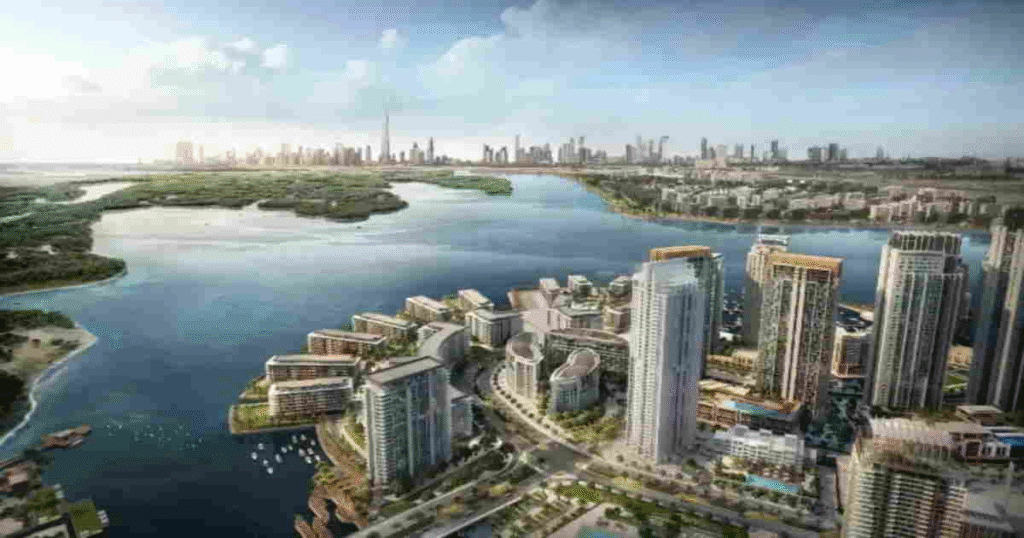
A collaboration model that combines government-led infrastructure upgrades with private sector expertise in design and execution can ensure balanced development. Such partnerships can also help manage risks, timelines, and long-term maintenance more effectively.
Hyderabad’s future growth depends on inclusive, well-planned expansion rather than unchecked sprawl. A riverfront project that integrates transport links, affordable housing options, and public amenities can support this vision while setting new benchmarks for urban development.
While the potential is immense, riverfront projects also come with complex challenges that must be addressed thoughtfully.
Communities living along the Musi River must be considered partners in development rather than obstacles. Transparent resettlement plans, fair compensation, and livelihood support are essential to ensure that urban renewal benefits everyone.
Riverfront developments are subject to stringent environmental norms. Clearances, impact assessments, and compliance will play a critical role in shaping timelines and design choices.
A careful balance between speed and responsibility will be key to the project’s long-term success.
For homebuyers, the Musi Riverfront project represents a chance to be part of a new urban narrative. It promises a lifestyle that blends nature, convenience, and global design standards within city limits.
Investors, on the other hand, may see this as an early-entry opportunity into a growth corridor with long-term appreciation potential. As infrastructure improves and the riverfront takes shape, demand is likely to strengthen across residential and commercial segments.
Hyderabad has always balanced its rich heritage with a forward-looking mindset. The proposed Musi Riverfront project by Emaar Group reflects this duality, offering a vision where history, environment, and modern urban living coexist.
If executed with sensitivity, sustainability, and inclusiveness, the project could redefine how Hyderabad relates to its river and how global developers engage with Indian cities. More than a real estate development, it has the potential to become a symbol of Hyderabad’s next phase of growth, confident, connected, and globally relevant.
As the city watches this proposal unfold, one thing is clear. The Musi Riverfront is no longer just a stretch of water flowing through Hyderabad. It is emerging as the stage for one of the city’s most ambitious urban transformations.
Do Follow Estate Magazine on Instagram
Read More:- Casagrand’s Bold Global Leap Redefines Luxury Living in Dubai 2025