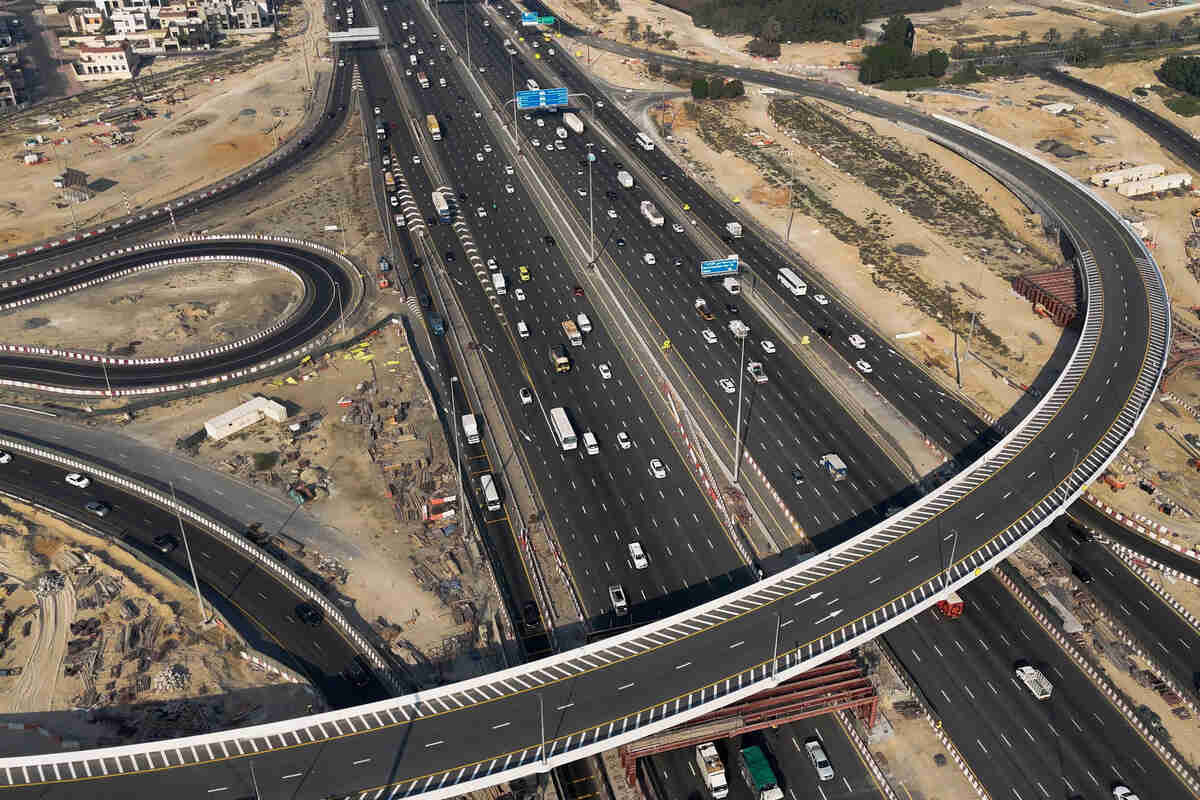
Dubai has always been a city that moves fast, but with the latest milestone achieved by the Roads and Transport Authority, that movement has become smarter, smoother, and significantly quicker. A flagship RTA infrastructure project has delivered up to a 75 percent reduction in travel time across key corridors, marking one of the most impactful mobility upgrades in the city’s recent history. For everyday commuters, businesses, and the wider economy, this transformation is already being felt in tangible, human ways.
More than just roads and bridges, this project represents a shift in how people experience the city. Less time in traffic means more time with family, improved work-life balance, and reduced daily stress. For businesses, faster connectivity translates into operational efficiency, improved logistics, and stronger productivity. Together, these changes reinforce Dubai’s vision of becoming the world’s most liveable, future-ready urban destination.
Dubai’s growth over the past two decades has been extraordinary. As the population expanded and economic activity intensified, the need for advanced transport solutions became increasingly urgent. The RTA’s latest infrastructure initiative was designed with this reality in mind, focusing not only on capacity expansion but on intelligent traffic flow and commuter-centric design.
Before the project, peak-hour congestion along major routes was a common concern for residents and professionals. Long queues, unpredictable travel times, and frequent bottlenecks affected daily routines and business schedules. The new RTA project directly tackled these pain points by redesigning junctions, streamlining interchanges, and integrating smart traffic systems that adapt in real time.
The result is a network that feels intuitive to use. Drivers notice smoother merges, fewer stop-start moments, and a clear sense that the road is working with them rather than against them.
What makes this project stand out is its long-term thinking. The infrastructure has been built to accommodate future population growth, rising vehicle ownership, and emerging mobility trends. This forward-looking approach ensures that the gains seen today are not temporary but sustainable for years to come.
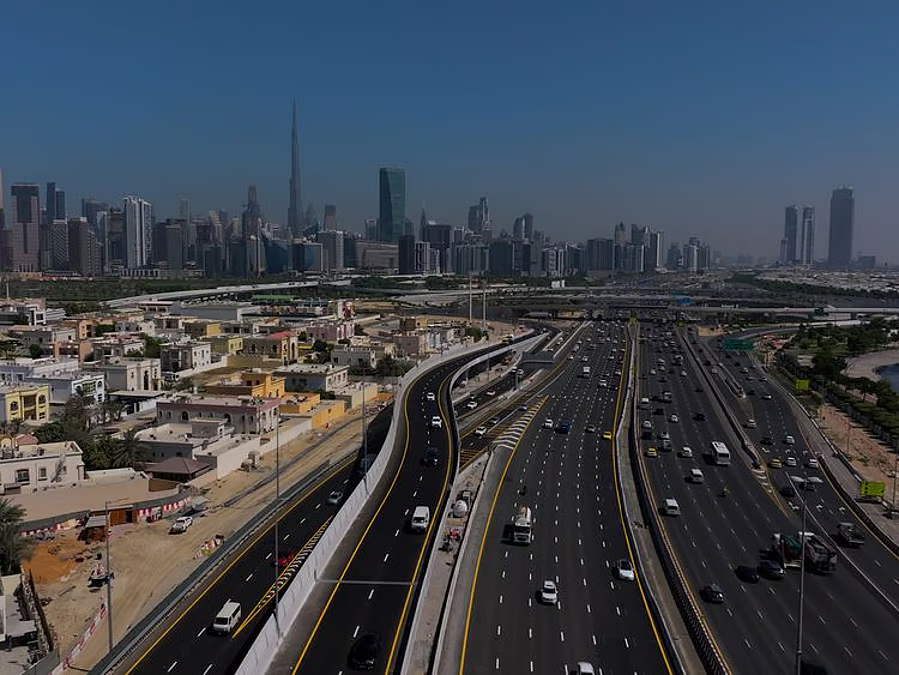
A reduction of travel time by up to 75 percent is more than a statistic. It reshapes daily routines and personal priorities.
For thousands of commuters, the daily journey to work or school has been dramatically shortened. A drive that once took 40 minutes may now take just 10. This reclaimed time is being spent on family breakfasts, exercise, personal development, or simply arriving at work calmer and more focused.
Parents can plan their mornings with greater certainty. Professionals can attend meetings without building in excessive buffer time. The city feels more manageable and less rushed.
Traffic congestion is a well-known source of stress. By reducing delays and improving predictability, the RTA project has made commuting a more relaxed experience. Drivers report feeling less fatigued and more in control, even during traditionally busy hours.
This improvement in mental wellbeing has a ripple effect, influencing workplace performance, social interactions, and overall quality of life.
The benefits of faster travel extend far beyond individual commuters. Dubai’s economy, built on speed, reliability, and global connectivity, stands to gain significantly.
For companies that rely on road transport, including logistics, retail, construction, and services, reduced travel time means lower fuel consumption, fewer delays, and improved scheduling. Deliveries arrive on time, service teams can complete more jobs in a day, and supply chains operate with greater precision.
Small and medium-sized enterprises, in particular, benefit from reduced operating costs and improved customer satisfaction.
World-class infrastructure is a key factor for investors choosing where to allocate capital. By delivering a project of this scale and impact, Dubai reinforces its reputation as a city that not only plans ambitiously but executes effectively.
Efficient transport networks signal stability, foresight, and a commitment to long-term growth, qualities that attract global businesses and talent.
The success of the RTA project lies in its blend of traditional engineering excellence and advanced technology.
Smart sensors, adaptive traffic signals, and data-driven monitoring play a central role in maintaining smooth flow. These systems respond dynamically to traffic volumes, accidents, and peak-hour patterns, ensuring that congestion is addressed before it builds up.
This proactive approach sets a new benchmark for urban traffic management in the region.
Rather than disrupting the city, the project was carefully integrated into existing road and transport systems. Connections to major highways, residential areas, and commercial hubs were optimised to ensure continuity and ease of use.
Drivers experience the network as a single, cohesive system rather than a patchwork of upgrades.
Improved traffic flow has a direct environmental benefit. Vehicles spend less time idling, fuel consumption is reduced, and emissions are lowered.
By cutting down congestion-related emissions, the RTA project contributes to Dubai’s broader sustainability agenda. Cleaner air, reduced noise pollution, and more efficient land use all support the city’s vision of a greener future.
This balance between growth and environmental responsibility is increasingly important for residents and international observers alike.
Infrastructure is not just about movement; it is about connection.
Faster roads effectively shrink distances between communities. Residents can access workplaces, schools, healthcare facilities, and leisure destinations with greater ease. This enhanced connectivity strengthens social ties and makes different parts of the city feel more accessible.
Areas that were once perceived as far-flung are now firmly within comfortable commuting range.
The improved road network also benefits buses, taxis, and other shared transport services. More reliable travel times enhance service quality, encouraging residents to consider flexible mobility options that complement private car use.
The RTA’s achievement sets a powerful example for future infrastructure developments, both within Dubai and beyond.
Clear objectives, phased implementation, and continuous monitoring were key to the project’s success. By focusing on measurable outcomes like travel time reduction and user experience, the RTA delivered results that people can feel every day.
This outcome-driven approach is likely to influence how future urban projects are planned and delivered.
Cities around the world are grappling with congestion and mobility challenges. Dubai’s ability to deliver a project that achieves such a dramatic improvement positions it as a global reference point for smart urban development.
At its core, this infrastructure revolution is about people.
Commuters speak of rediscovered calm in their mornings, business owners note smoother operations, and families enjoy more predictable schedules. These everyday experiences give real meaning to the numbers and milestones.
The roads are no longer just a means to an end; they have become enablers of a better daily rhythm.
As Dubai continues to grow, the importance of efficient, people-focused infrastructure will only increase. The RTA project demonstrates that with the right vision and execution, urban challenges can be transformed into opportunities.
By cutting travel times, boosting economic efficiency, and improving quality of life, this initiative lays a strong foundation for the next phase of the city’s journey. Dubai is not just moving faster; it is moving smarter, with its people firmly at the centre of progress.
Do Follow Estate Magazine on Instagram
Read More:- Dubai Taxpayer Wins Big Relief In Rs 2 Crore Property Case