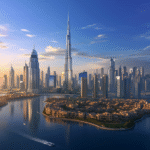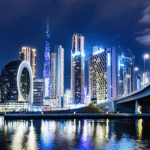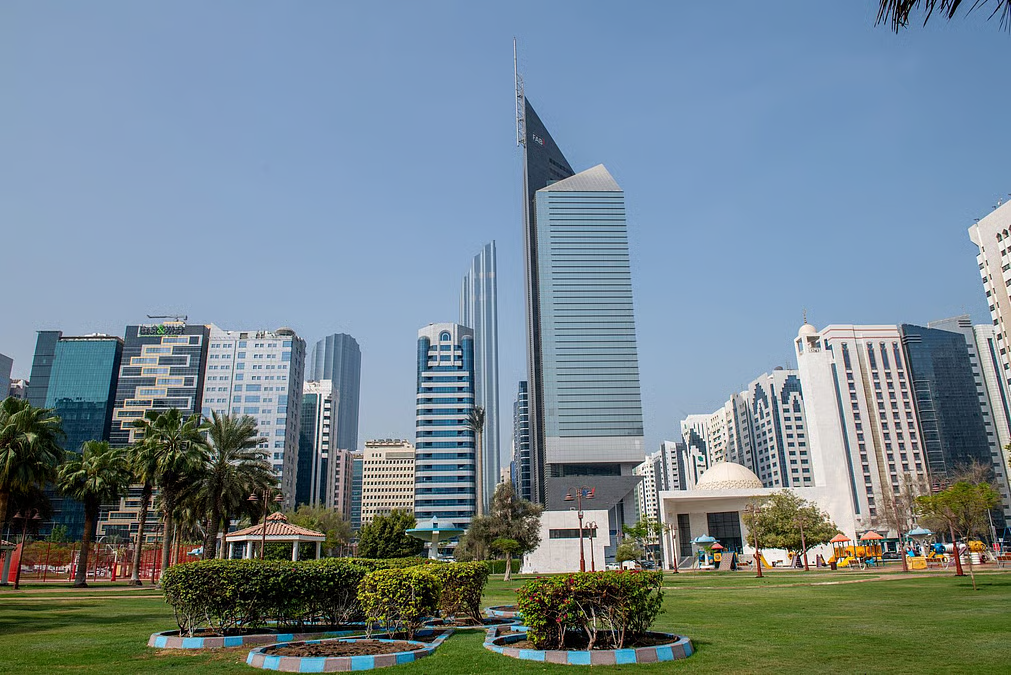
Abu Dhabi has long been a city that balances ambition with responsibility. In recent years, the emirate has made a decisive leap toward becoming a global smart city while emphasizing sustainability at every step. From cutting-edge infrastructure to intelligent governance, Abu Dhabi’s vision is reshaping urban living, making it more efficient, eco-friendly, and inclusive for residents and businesses alike.
Abu Dhabi’s smart city strategy revolves around integrating technology into daily life to create a seamless, connected urban environment. This vision is not just about gadgets or apps; it’s about designing a city that anticipates the needs of its citizens, optimizes resources, and improves the quality of life. Smart traffic systems, AI-driven public services, and real-time data analytics are at the heart of this transformation, helping reduce congestion, minimize energy waste, and enhance public safety.
The city’s leaders recognize that technology alone is not enough. A successful smart city must also be sustainable. Abu Dhabi’s approach combines high-tech solutions with environmentally conscious planning, ensuring that growth does not come at the expense of the planet.
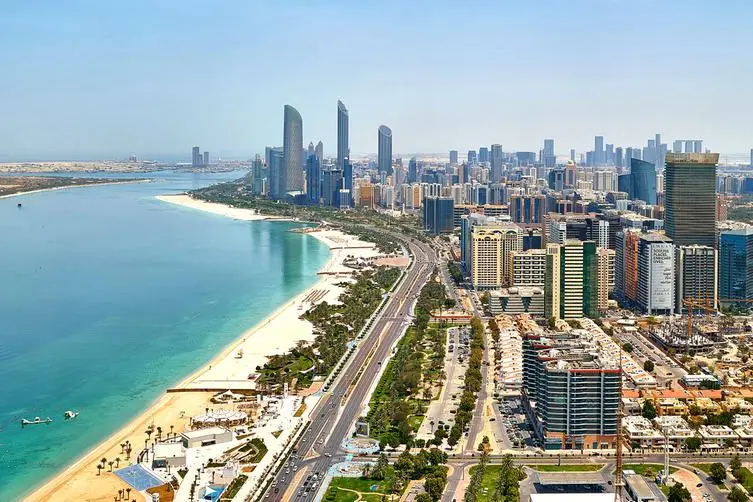
Abu Dhabi is investing heavily in infrastructure that supports both smart and sustainable development. Roads, bridges, and transportation networks are being redesigned with data-driven intelligence to optimize traffic flow, reduce travel time, and lower carbon emissions.
Public transport is undergoing a technological revolution. Smart buses and trams are equipped with sensors that track passenger flow and adjust schedules in real time. Charging stations for electric vehicles are expanding rapidly, making eco-friendly transportation more convenient for residents. Even street lighting has been upgraded with energy-efficient LED systems that adapt brightness based on pedestrian and vehicle movement.
This infrastructure is not just functional; it’s designed to be future-ready. By integrating IoT (Internet of Things) devices and smart grids, Abu Dhabi ensures that new developments are scalable and adaptable to emerging technologies.
One of Abu Dhabi’s most remarkable achievements is its commitment to sustainability. Green spaces, renewable energy, and eco-conscious urban planning are central to its smart city model.
The emirate has launched several solar energy projects that supply power to residential and commercial areas. Rooftop solar panels, large-scale solar farms, and energy-efficient buildings contribute to a lower carbon footprint. Smart waste management systems further enhance sustainability by monitoring garbage levels, optimizing collection routes, and encouraging recycling.
Water conservation is another critical focus. Advanced irrigation systems, water recycling programs, and efficient desalination technologies help the city manage its scarce water resources. Abu Dhabi’s planners aim to create a city where technology and nature coexist harmoniously, promoting a healthier environment for everyone.
Smart cities succeed when they serve the people who live in them. Abu Dhabi places residents at the center of its planning, creating services that are intuitive, accessible, and responsive. Mobile apps allow citizens to access government services instantly, report issues, and provide feedback on public projects.
Education and healthcare are also transforming through smart solutions. Schools and universities are adopting digital classrooms, AI-assisted learning, and virtual labs. Hospitals leverage predictive analytics, telemedicine, and smart patient management systems to deliver efficient, high-quality care. These innovations not only improve service delivery but also enhance overall quality of life for residents.
Abu Dhabi’s smart city ambitions are also fueling economic growth. Technology-driven projects attract international investment, create high-skilled jobs, and promote entrepreneurship. The city has become a hub for tech startups, innovation labs, and research centers, with a particular focus on AI, robotics, and renewable energy solutions.
By aligning economic development with sustainability, Abu Dhabi demonstrates that growth and environmental responsibility can coexist. Smart city projects are generating long-term value, reducing operational costs, and creating a resilient urban economy ready to withstand global challenges.
A defining feature of Abu Dhabi’s smart city plan is its digital infrastructure. High-speed internet, 5G networks, and secure cloud platforms are the backbone of connected urban life. Citizens, businesses, and government entities can communicate seamlessly, share data, and make decisions faster than ever before.
Digital twins of entire neighborhoods are being developed to simulate real-world scenarios, enabling city planners to anticipate problems, optimize resource allocation, and improve urban experiences. This level of connectivity allows Abu Dhabi to respond dynamically to changes, whether it’s managing energy consumption, traffic flow, or emergency situations.
Transportation in Abu Dhabi is undergoing a radical transformation. Autonomous vehicles, ride-sharing apps, and integrated public transport systems are making mobility more efficient, sustainable, and convenient.
Intelligent traffic management systems use AI and predictive analytics to reduce congestion, while smart parking solutions help drivers find available spaces with ease. Electric vehicle adoption is on the rise, supported by a growing network of charging stations and incentives for eco-friendly commuting.
These initiatives not only reduce emissions but also save time and improve the overall urban experience, making Abu Dhabi a model for modern mobility.
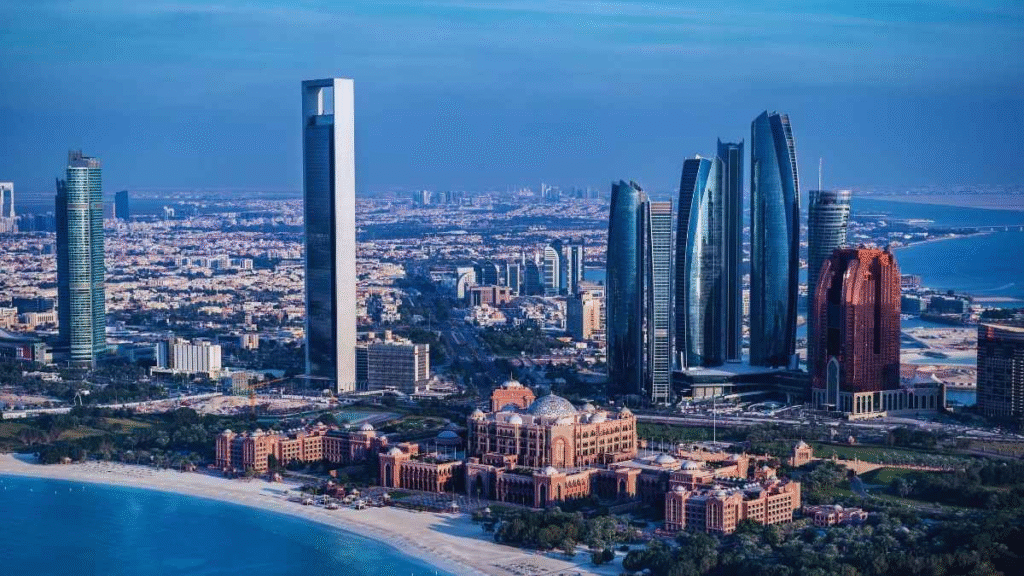
Abu Dhabi’s smart city initiatives deliver tangible environmental and social benefits. Reduced traffic congestion and cleaner energy sources mean lower pollution levels. Green spaces and pedestrian-friendly zones improve public health and foster community engagement.
Smart monitoring systems also enhance safety by providing real-time alerts for natural disasters, traffic accidents, or public health concerns. Residents can enjoy a higher quality of life while knowing that their city is designed to be resilient, sustainable, and responsive to their needs.
Building a sustainable smart city is not without challenges. Integrating advanced technology across diverse sectors requires significant investment, coordination, and expertise. Data privacy, cybersecurity, and equitable access are ongoing concerns that Abu Dhabi must address to maintain public trust.
However, these challenges also present opportunities. By leveraging international partnerships, local talent, and innovative technologies, Abu Dhabi can set new global standards for sustainable urban development. The city’s commitment to experimentation, learning, and adaptation ensures that it remains at the forefront of smart city evolution.
Abu Dhabi’s smart city journey is aligned with its broader Vision 2030 strategy, which aims to diversify the economy, enhance quality of life, and achieve sustainability across all sectors. Future plans include expanding renewable energy projects, integrating AI across urban systems, and creating more walkable, community-focused neighborhoods.
The emirate’s leadership envisions a city that is not only technologically advanced but also socially inclusive, environmentally conscious, and economically resilient. By embracing innovation while staying rooted in sustainability, Abu Dhabi is turning its smart city dreams into a tangible, lasting reality.
Abu Dhabi stands as a shining example of how technology and sustainability can coexist to create a better urban future. Its smart city initiatives demonstrate that careful planning, citizen-centric design, and forward-thinking policies can transform cities into more livable, efficient, and environmentally responsible spaces.
As the world watches, Abu Dhabi is proving that building a smart city is not just about innovation—it’s about creating a holistic, human-focused urban environment where growth, technology, and sustainability work hand in hand. The emirate’s achievements are inspiring cities worldwide to follow its lead and rethink the way we live, work, and interact with our urban surroundings.
Do Follow Estate Magazine on Instagram
Read More:- UAE’s Creator-Ready Homes Transform Modern Residential Living Forever 2025