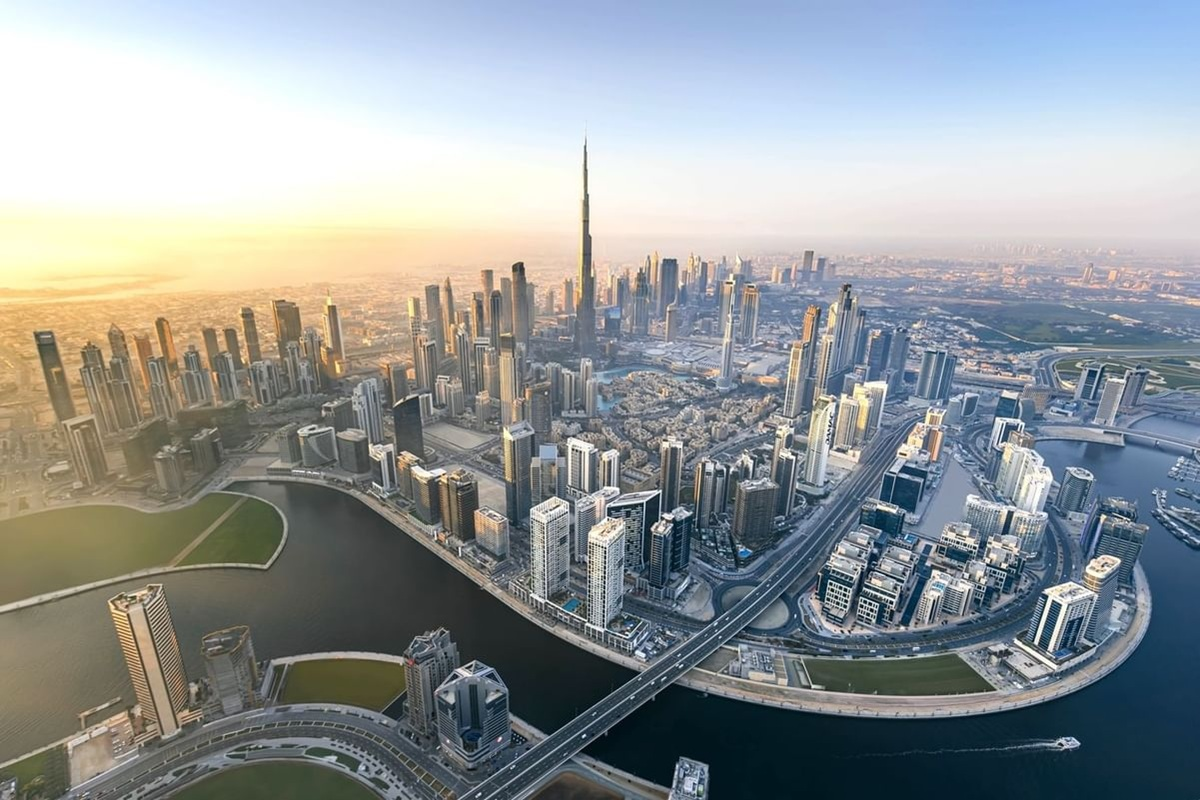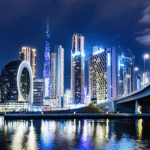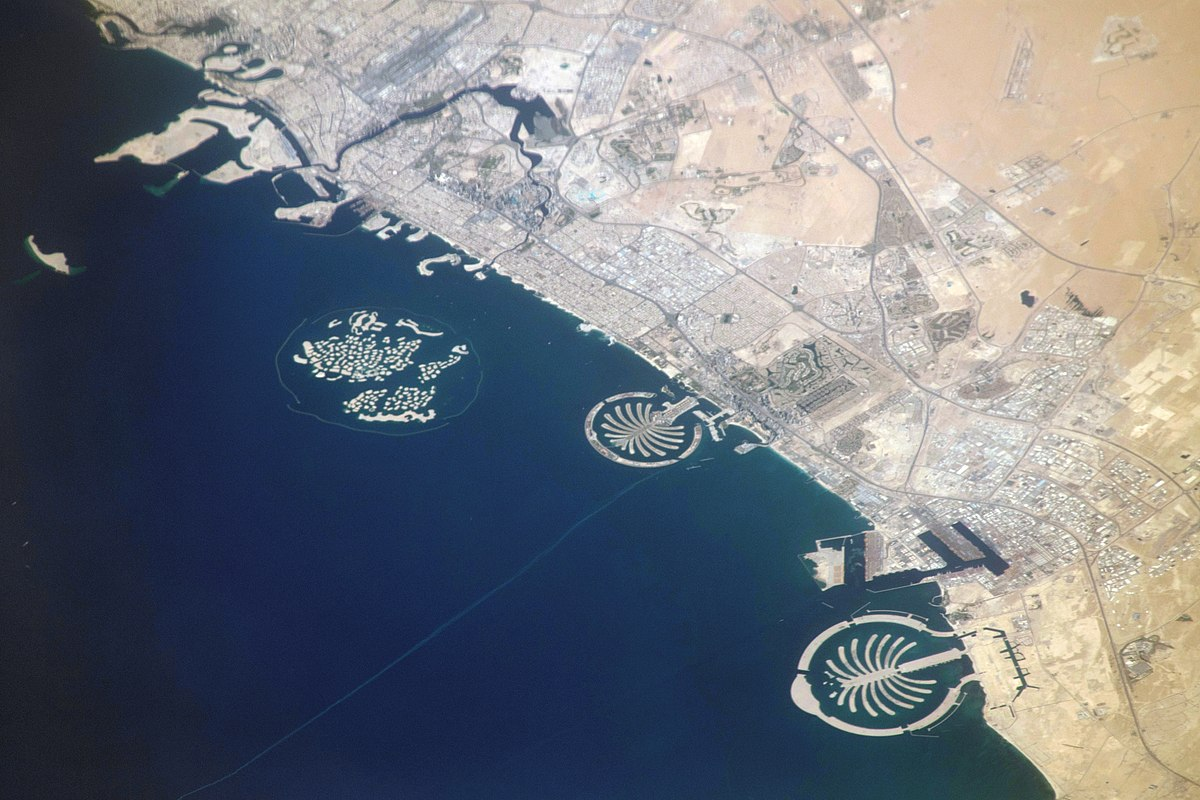
Palm Jebel Ali is no longer just a memory from Dubai’s early megaproject ambitions. It is back, bigger, smarter, and far more aligned with how people want to live today. As Dubai continues to evolve as a global city, Palm Jebel Ali is emerging as one of its most talked-about master developments, promising scale, sustainability, and lifestyle-led living in a way never seen before.
This new chapter of Palm Jebel Ali reflects lessons learned from the past and the city’s vision for the future. From ultra-luxury beachfront homes to green mobility and vibrant community spaces, the plans reveal a development designed not just to impress, but to endure.
Palm Jebel Ali’s revival is a strong statement of confidence in Dubai’s long-term growth story. Unlike its earlier iteration, the latest plans are rooted in realistic demand, global design standards, and a deep focus on livability. The project aligns with Dubai’s broader urban strategy, which emphasizes quality of life, sustainability, and economic diversification.
Rather than rushing to build everything at once, the development is being approached with a phased, thoughtful strategy. This allows infrastructure, communities, and amenities to grow organically, ensuring long-term value for residents and investors alike.

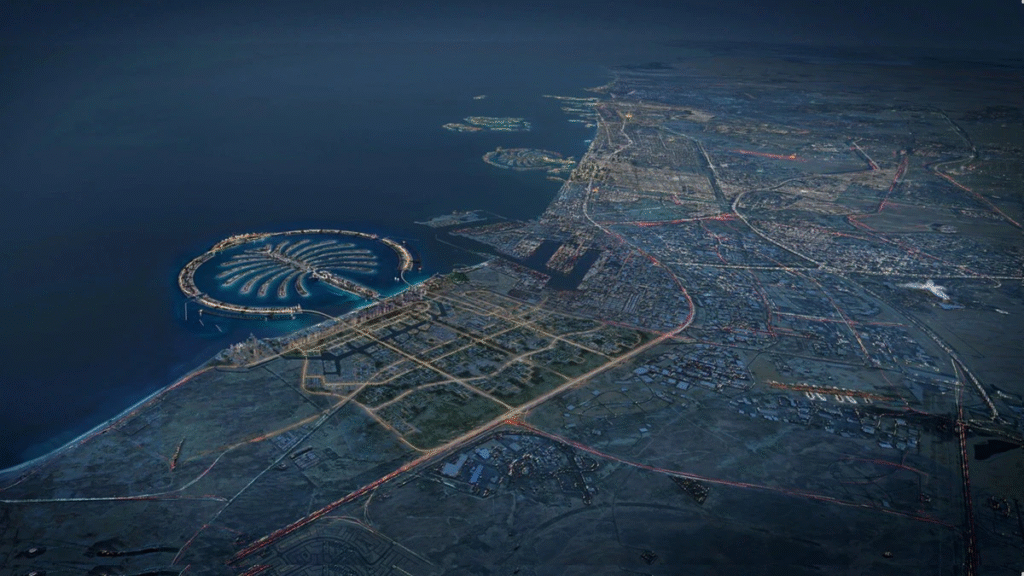
Palm Jebel Ali is set to be significantly larger than Palm Jumeirah, offering a vast canvas for mixed-use development. The master plan balances residential, hospitality, leisure, and public spaces, creating a self-sustaining island destination rather than a purely residential address.
Wide beachfront stretches, interconnected islands, and thoughtfully designed districts are central to the layout. The emphasis is on openness and accessibility, with long promenades, cycling paths, and water-facing public spaces woven into the design.
One of the most striking elements of the new plans is the sheer amount of waterfront access. The layout prioritizes low-density living, ensuring that a large number of homes enjoy direct beach or sea views without compromising privacy.
This approach caters to buyers who value space, exclusivity, and a strong connection to nature, a shift that reflects post-pandemic lifestyle preferences worldwide.
Palm Jebel Ali’s residential offering is expected to be diverse, yet consistently premium. The plans focus on spacious villas, branded residences, and select low-rise apartments that blend seamlessly with the island environment.
Homes are being designed with indoor-outdoor living in mind. Large terraces, private pools, floor-to-ceiling windows, and flexible layouts cater to families, professionals, and international buyers seeking both comfort and prestige.
A key highlight is the inclusion of branded residences and ultra-luxury villas managed by globally recognized hospitality names. These homes combine five-star service with private ownership, appealing to high-net-worth individuals looking for hassle-free luxury living.
Such residences are expected to set new benchmarks for design, service, and long-term investment appeal in Dubai’s luxury property market.
Palm Jebel Ali is being positioned as a lifestyle destination, not just a place to live. The plans include world-class resorts, boutique hotels, beach clubs, wellness retreats, and curated dining experiences spread across the island.
Rather than clustering attractions in one zone, leisure and hospitality elements are distributed to ensure every district feels vibrant and active, without overwhelming residents.
From waterfront dining and cultural venues to family-friendly attractions and wellness spaces, Palm Jebel Ali aims to offer experiences that encourage people to stay, explore, and connect. The goal is to create an island that feels alive throughout the day and year, not seasonal or tourist-dependent.
Sustainability is no longer an add-on, and Palm Jebel Ali reflects this shift clearly. The latest plans integrate environmental responsibility into every stage of development, from construction methods to daily living.
Green building standards, energy-efficient systems, and smart infrastructure are central to the project. Landscaping is designed to support local ecosystems while reducing water consumption, and the overall layout encourages walking, cycling, and low-emission mobility.
Digital connectivity and smart city features are expected to play a major role. From smart traffic management to energy monitoring and community apps, technology is being used to enhance convenience, safety, and sustainability without compromising the human feel of the island.
Despite its island setting, Palm Jebel Ali is planned with strong connectivity to the mainland. Road links, public transport integration, and water-based mobility options ensure residents can move easily between the island and key areas of Dubai.
This balance of seclusion and accessibility is one of the project’s strongest advantages. Residents can enjoy island tranquility while staying connected to business hubs, airports, and entertainment districts.
Unlike older developments that focused heavily on private spaces, Palm Jebel Ali places strong emphasis on community life. Parks, beaches, retail promenades, and cultural spaces are designed to bring people together naturally.
Families, professionals, and visitors will find spaces that encourage interaction without sacrificing privacy. This focus on community reflects a broader shift in Dubai’s real estate philosophy toward people-first urban planning.
The development is clearly aimed at end-users as much as investors. Schools, healthcare facilities, daily retail, and recreational amenities are planned to support full-time living, making Palm Jebel Ali a genuine residential destination rather than a holiday-only address.
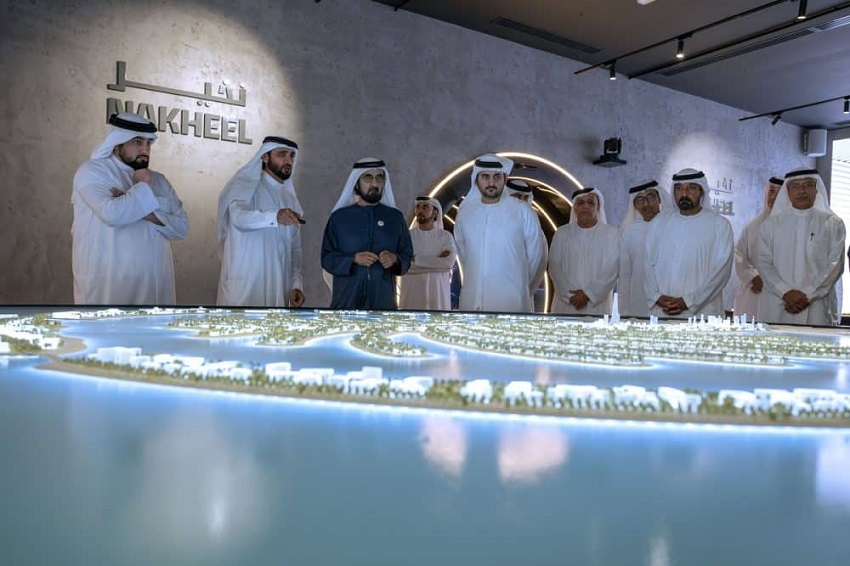
Palm Jebel Ali is expected to have a significant impact on Dubai’s luxury real estate market. Its scale, branding, and strategic positioning make it a long-term play rather than a speculative project.
Limited supply of true waterfront luxury homes, combined with Dubai’s strong global appeal, positions Palm Jebel Ali as a potentially high-performing asset over time. The phased development approach also helps protect value by aligning supply with demand.
As Palm Jumeirah matures, Palm Jebel Ali represents the next evolution of waterfront living in Dubai. It builds on past success while addressing modern expectations around space, sustainability, and community.
The most important difference lies in intent. The latest Palm Jebel Ali plans are not about headlines or records alone. They are about creating a place that works in the real world, for real people, over decades.
From thoughtful density and design to sustainability and lifestyle integration, every element reflects a more mature, experience-driven approach to development.
As the project progresses, more details will emerge around specific residential launches, hospitality brands, and community features. What is already clear is that Palm Jebel Ali is being developed with patience and precision, ensuring each phase adds value to the whole.
For buyers, investors, and Dubai residents, this means opportunities will unfold gradually, allowing informed decisions rather than rushed commitments.
Palm Jebel Ali is more than a revival. It is a reflection of how far Dubai has come in understanding what makes a city truly livable and globally relevant. The latest plans point toward a future where luxury is balanced with responsibility, scale is matched with sensitivity, and ambition is guided by experience.
For anyone watching Dubai’s real estate and urban evolution, Palm Jebel Ali is not just a project to follow. It is a story that signals where the city is heading next.
Do Follow Estate Magazine on Instagram
Read More:- Dubai Dominates Future Wealth With Regulated Crypto Property Investments 2025