Coastal cities have always held a special place in human imagination. They are gateways to trade, culture, tourism, and opportunity. Today, however, they are becoming something more strategic: engines of long-term economic growth and global investment. Few developments illustrate this shift better than the Dubai Islands Project. More than a luxury waterfront destination, it represents a new way of thinking about how cities grow, generate value, and future-proof themselves.
Dubai has never followed conventional urban rules. Instead of expanding outward endlessly, the city has chosen to build with intention, creativity, and economic foresight. The Dubai Islands Project reflects this mindset perfectly. It blends urban planning, tourism, real estate, sustainability, and global capital into a single coastal ecosystem designed to perform over decades, not just years.
For centuries, coastal cities thrived because of trade routes and ports. In the modern era, their value has expanded beyond logistics into lifestyle, tourism, finance, and innovation. Waterfronts now act as magnets for talent, investors, and global brands.
Dubai understands this evolution better than most. Its coastline is no longer just geography; it is a business asset. Each waterfront development is planned with clear economic outcomes in mind, from boosting tourism revenues to creating high-value residential zones and diversified income streams.
The Dubai Islands Project takes this idea further by treating the coast as a complete urban system rather than a strip of land with buildings. It integrates homes, hotels, retail, entertainment, and public spaces into a cohesive investment environment.
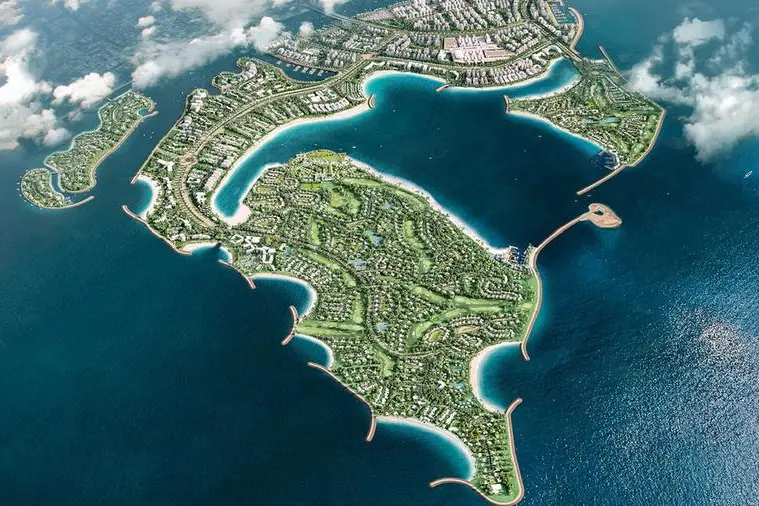
Coastal projects consistently outperform inland developments due to limited supply and high demand. Water views, beach access, and lifestyle appeal create enduring value that holds strong even during market cycles.
Investors are drawn to projects that combine scarcity with global demand. Dubai Islands does exactly that by expanding usable coastline while maintaining exclusivity through thoughtful planning and zoning.
From long-term capital appreciation to stable rental yields, coastal developments offer resilience that few asset classes can match.
The Dubai Islands Project is not just about selling property. It is about creating a destination that functions as a self-sustaining economic zone. Every element is designed to contribute to the broader investment story.
Instead of focusing on a single luxury narrative, the project embraces mixed-use development. Residential communities sit alongside hospitality zones, cultural attractions, wellness spaces, and commercial hubs. This diversity ensures continuous activity and revenue generation throughout the year.
For investors, this means reduced dependency on any single sector. Tourism, residential leasing, short-term rentals, retail, and entertainment all work together to strengthen the project’s economic foundation.
What sets Dubai Islands apart is how closely urban design is aligned with economic strategy. Infrastructure is not an afterthought; it is a value driver.
Road networks, marine transport, pedestrian access, and public spaces are designed to enhance footfall, accessibility, and livability. This directly impacts property values and business performance across the islands.
By planning the city before selling the assets, Dubai ensures that investors buy into a complete ecosystem rather than isolated plots.
Dubai’s investor base is truly international, and the Dubai Islands Project reflects this global outlook. The design language, amenities, and lifestyle offerings appeal to residents and visitors from Europe, Asia, the Middle East, and beyond.
Luxury residences are balanced with family-friendly communities and branded hospitality experiences. This inclusivity broadens demand and keeps occupancy levels strong across different market segments.
Coastal living here is not limited to aesthetics. It is about access to experiences, from beach clubs and marinas to cultural events and wellness retreats. This emotional connection enhances long-term value because people invest not just with logic, but with aspiration.
Modern investors are increasingly drawn to projects that offer more than returns. They want assets that align with lifestyle and personal values.
Dubai Islands caters to this shift by positioning itself as an experience-led destination. Properties are not just places to live or rent; they are gateways to a curated way of life.
This approach strengthens brand loyalty and repeat investment, as buyers often expand their portfolios within developments they trust and enjoy.
Tourism remains one of Dubai’s strongest economic pillars, and coastal destinations play a vital role in sustaining this growth. Dubai Islands is designed to enhance the city’s tourism offering without overcrowding existing hotspots.
New hotels, resorts, and leisure attractions increase visitor capacity while spreading economic benefits across a wider area. This creates jobs, boosts retail spending, and supports small and medium enterprises.
For real estate investors, tourism-driven footfall translates into higher rental demand and stronger short-term leasing potential.
Seasonality is a challenge for many coastal destinations around the world. Dubai addresses this by offering year-round attractions, supported by climate-adaptive design and a strong events calendar.
Indoor and outdoor experiences, wellness facilities, and cultural venues ensure consistent engagement regardless of season. This stability makes the project particularly attractive for institutional investors seeking predictable returns.
Sustainability is no longer just a social responsibility; it is a financial imperative. Investors increasingly evaluate projects based on environmental resilience and long-term operational efficiency.
Dubai Islands integrates sustainability at multiple levels, from energy-efficient buildings to coastal protection measures and green public spaces. These features reduce long-term costs while enhancing the project’s appeal to environmentally conscious buyers.
Sustainable coastal development also protects the very asset that drives value: the shoreline itself. By prioritising responsible design, Dubai safeguards future returns.
Short-term gains mean little if a development cannot adapt to future challenges. Dubai Islands is planned with climate resilience, smart infrastructure, and evolving lifestyle needs in mind.
This forward-thinking approach reassures investors that their assets are positioned to perform not just today, but decades from now.
One of Dubai’s greatest strengths is alignment between public vision and private investment. Large-scale projects like Dubai Islands are supported by clear regulations, transparent processes, and long-term planning.
This stability reduces risk and builds confidence among global investors. When capital knows the rules will not change overnight, it flows more freely and stays longer.
The Dubai Islands Project benefits from this environment, making it easier for international buyers to enter the market and scale their investments.

Beyond the physical development, investors are buying into Dubai’s governance model. Efficient licensing, investor-friendly policies, and strong infrastructure create a sense of trust that few global cities can match.
This confidence amplifies the appeal of projects like Dubai Islands, positioning them as safe yet dynamic investment opportunities.
The success of projects like Dubai Islands signals a broader shift in how cities think about growth. Instead of expanding endlessly, future cities will focus on quality, density, and experience.
Coastal developments will play a central role in this evolution. They offer limited supply, global appeal, and strong emotional value, making them ideal anchors for long-term urban investment.
Dubai Islands stands as a blueprint for this future, demonstrating how thoughtful planning can turn coastline into capital.
Cities around the world are watching Dubai closely. The lessons from Dubai Islands extend beyond luxury living into economic resilience, sustainable growth, and integrated urban design.
As coastal cities face rising competition and environmental pressures, projects that balance ambition with responsibility will lead the way.
The Dubai Islands Project is not just reshaping Dubai’s coastline; it is redefining how investors view coastal cities. It proves that when urban planning meets economic vision, cities can create value that endures across generations.
For investors, Dubai Islands represents clarity in a complex world. It offers lifestyle appeal backed by strong fundamentals, sustainability supported by smart design, and growth driven by global demand.
In the business of coastal cities, Dubai has once again set a powerful standard.“Come”
Do Follow Estate Magazine on Instagram
Read More:- Inside Dubai’s Bold Developers Redefining Future Real Estate Living 2025