Robots are no longer limited to factories, sci-fi movies, or tech exhibitions. They are slowly and confidently stepping into our homes, reshaping how we live, manage time, and care for ourselves and our families. From cleaning floors to assisting elderly family members, household robots are evolving from simple machines into intelligent companions that understand routines, respond to emotions, and make everyday living more effortless.
This transformation is not about replacing humans but about enhancing human life. As technology advances, robots are becoming more affordable, more intuitive, and more human-centric. The future home will not just be smart; it will be supportive, responsive, and deeply personalized.
Early household robots were task-specific. Vacuum cleaners followed preset paths, and lawn-mowing robots worked within strict boundaries. Today’s robots use artificial intelligence, machine learning, and advanced sensors to understand space, detect obstacles, and adapt to changing environments.
Modern household robots can learn the layout of a home, recognize family members, and even predict daily habits. This evolution marks a shift from programmed tools to adaptive helpers that improve with time and usage.
Artificial intelligence is the backbone of modern home robotics. AI allows robots to process visual data, understand voice commands, and make real-time decisions. Over time, robots can learn preferences such as cleaning schedules, lighting choices, or even food habits, creating a seamless living experience.
This intelligence makes robots less intrusive and more intuitive, blending naturally into daily routines rather than disrupting them.
Cleaning is one of the most immediate and visible areas where robots are making an impact. Advanced robotic vacuum cleaners and mopping robots can clean entire homes while residents are at work or asleep. Future versions will identify different types of dirt, adjust cleaning methods accordingly, and sanitize surfaces more effectively.
Some robots are already capable of cleaning windows, kitchens, and bathrooms. As technology matures, multi-tasking cleaning robots will manage multiple rooms, surfaces, and hygiene levels autonomously.
Robots will soon go beyond washing machines and dishwashers. Future household robots may sort laundry, fold clothes, and organize wardrobes. In kitchens, robots could load and unload dishwashers, clean countertops, and manage waste disposal efficiently.
These advancements will save hours every week, freeing time for relaxation, creativity, and meaningful family interactions.
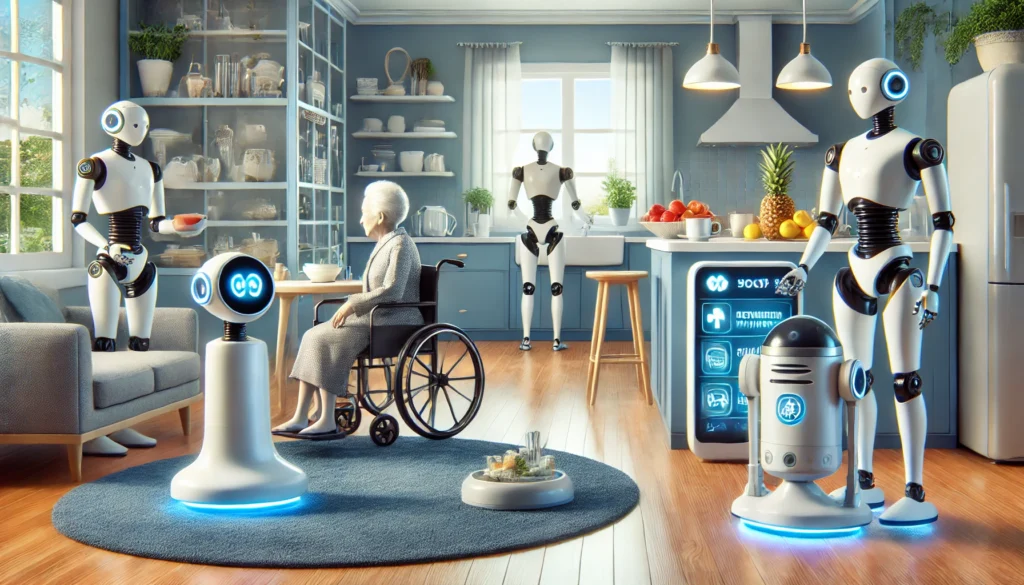
Robotic kitchens are transforming cooking into a stress-free experience. Robotic arms can prepare meals by following recipes, measuring ingredients accurately, and maintaining perfect cooking temperatures. These systems can adapt recipes based on dietary needs, allergies, or calorie goals.
For busy households, robots can prepare meals on schedule, ensuring fresh, healthy food without constant supervision.
Household robots integrated with smart refrigerators will track groceries, monitor expiration dates, and suggest recipes based on available ingredients. They may even place grocery orders automatically, reducing waste and saving money.
This level of automation transforms kitchens into efficient, intelligent spaces that support healthier lifestyles.
Security robots are redefining home safety. Equipped with cameras, motion sensors, and audio detection, these robots can patrol homes, detect unusual activity, and send real-time alerts to homeowners. Unlike traditional security systems, mobile robots can investigate disturbances and provide live video feeds.
They can also recognize familiar faces, reducing false alarms and enhancing peace of mind.
In emergencies such as fires, gas leaks, or break-ins, robots can guide residents to safety, alert emergency services, and even provide first-response assistance. For families with children or elderly members, this added layer of protection can be life-changing.
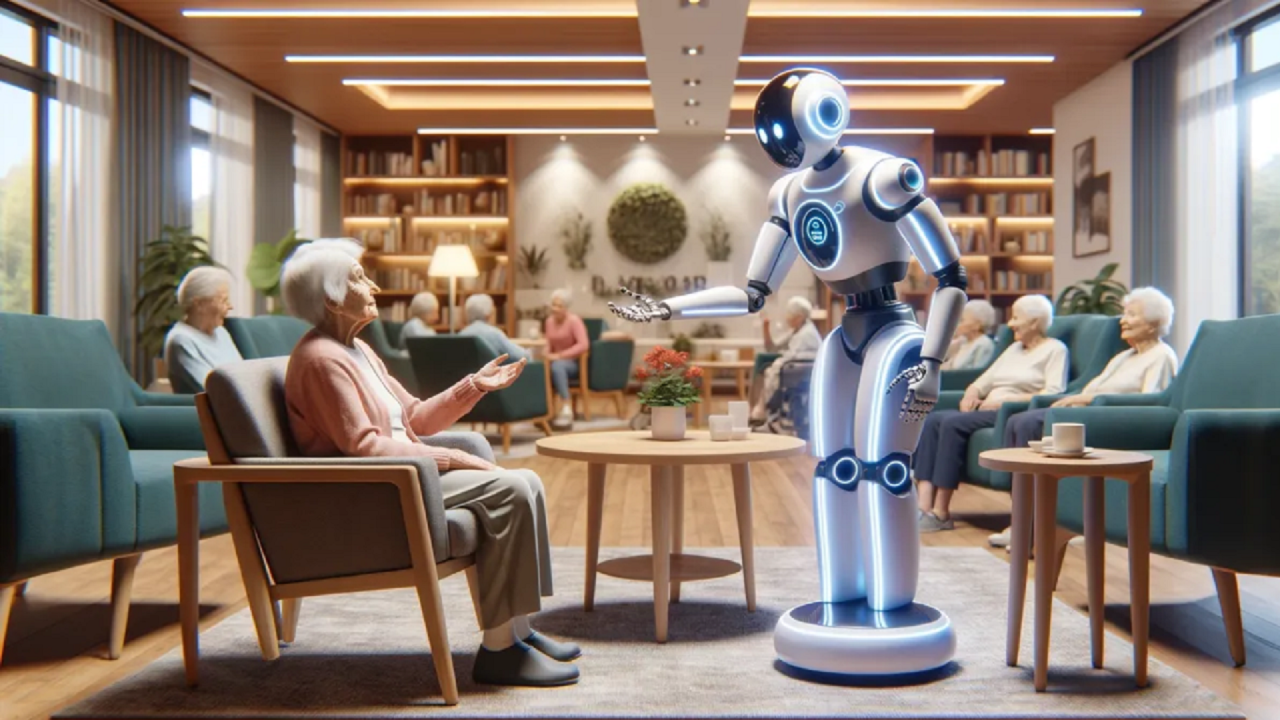
One of the most impactful roles of household robots will be in elderly care. Robots can assist with daily activities such as medication reminders, mobility support, and routine health monitoring. They enable older adults to live independently for longer while staying connected to caregivers and family members.
These robots can detect falls, monitor vital signs, and alert medical professionals when needed.
Beyond physical assistance, robots are being designed to provide emotional support. Social robots can engage in conversations, play games, and offer companionship, reducing loneliness and isolation among elderly individuals.
This humanized approach to robotics focuses on emotional intelligence as much as functional ability.
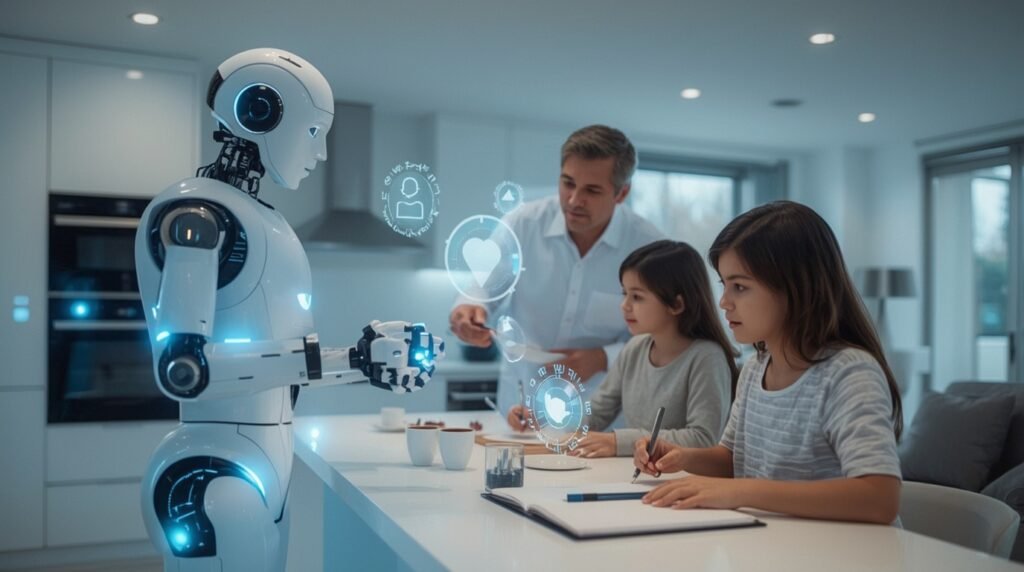
For working parents, household robots can be invaluable. Robots may help with organizing schedules, assisting with homework, or supervising children during short periods. While not replacing parental care, they act as supportive tools that ease daily pressure.
Some robots can read stories, play educational games, and encourage learning in engaging ways.
Robots can monitor children’s activities, ensure safety in play areas, and alert parents to potential hazards. Their ability to learn household rules and safety boundaries makes them reliable assistants in family homes.
Robots will play a key role in creating homes that adapt to individual lifestyles. By observing habits, robots can adjust lighting, temperature, and music preferences automatically. Morning routines, work-from-home setups, and evening relaxation can all be optimized without manual control.
This personalization enhances comfort while reducing energy consumption.
Future household robots may recognize emotions through facial expressions, voice tone, and body language. If a resident appears stressed, a robot might suggest relaxation techniques, adjust lighting, or play calming music.
This emotional responsiveness adds a deeply human touch to technology-driven living.
By handling repetitive and time-consuming tasks, robots allow people to focus on what truly matters. Whether it’s spending time with family, pursuing hobbies, or resting, robots give back precious hours that were once lost to household chores.
This shift will redefine productivity, emphasizing quality of life over constant busyness.
Managing a household involves countless small decisions. Robots reduce this mental burden by automating routine tasks and anticipating needs. A well-managed home environment contributes significantly to emotional wellbeing and daily happiness.
As robots become more integrated into homes, privacy will remain a crucial concern. Responsible design ensures that data is protected, transparent, and controlled by homeowners. Users will have the ability to customize privacy settings and decide how much information robots can access.
Trust will be a defining factor in widespread adoption.
Despite increasing autonomy, household robots are tools designed to serve humans. Clear boundaries, ethical programming, and human oversight ensure that technology remains supportive rather than intrusive.
The goal is harmony between humans and machines, not dependency.
The homes of the future will be living ecosystems where robots, smart devices, and humans coexist seamlessly. Comfort will no longer be measured only by space or luxury but by how intelligently a home supports its residents.
Robots will quietly handle the background tasks, allowing life to unfold more freely and joyfully.
Household robots will make homes more accessible for people with disabilities, elderly individuals, and those with limited mobility. This inclusivity will reshape how society views independent living and home design.
Robots will not just transform homes; they will transform lives.
The rise of household robots marks one of the most meaningful shifts in modern living. Far from cold or mechanical, these technologies are becoming deeply human-centered, designed to understand, assist, and enhance everyday life. As robots take on mundane responsibilities, humans gain the freedom to live more fully, creatively, and compassionately.
The future home is not about machines taking over. It is about intelligent support, thoughtful design, and a better balance between work, rest, and connection. Household robots are not just changing how homes function; they are redefining what it means to live well.Smart Home Robots Are Creating Easier, Happier Modern Lifestyles
Do Follow Estate Magazine on Instagram
Read More:- Experience Innovation: Dubai’s First Mercedes-Benz Themed Urban Masterpiece 2025