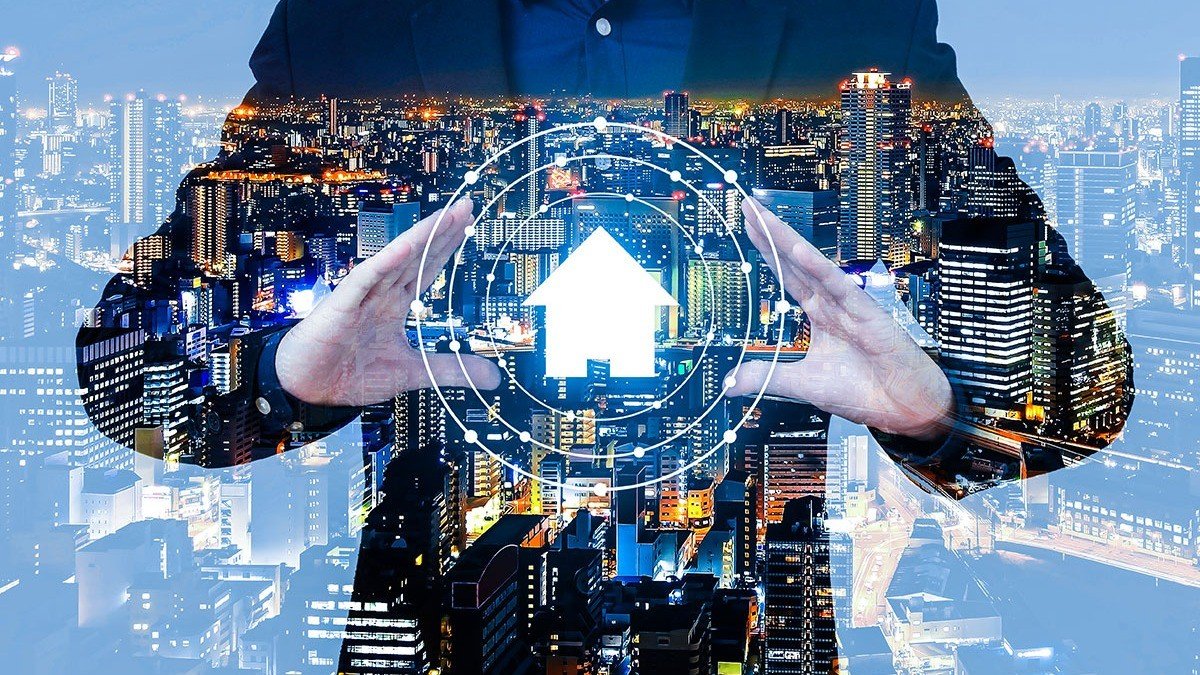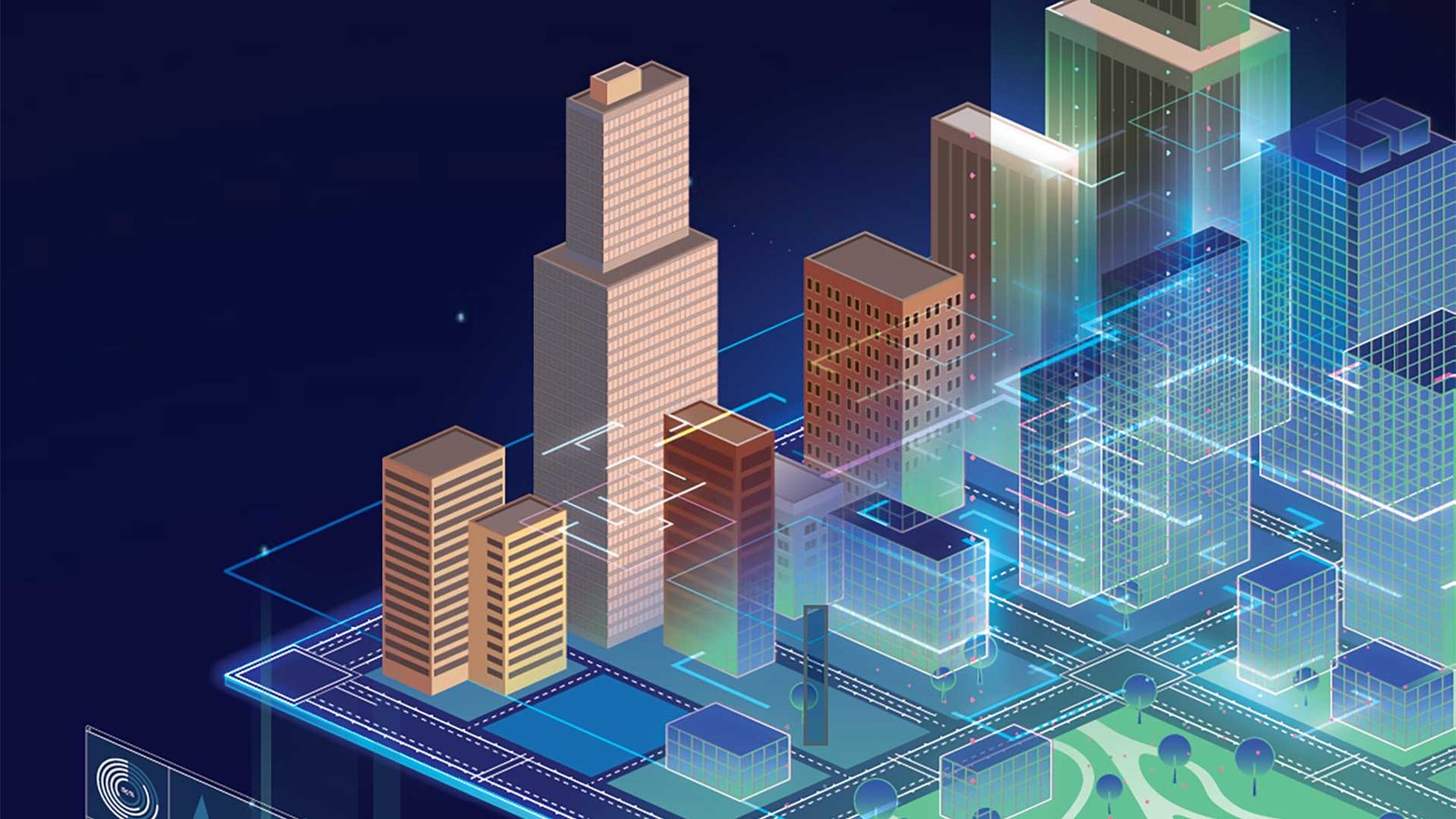
Real estate has always been a physical-first industry. Buildings, land, location, and materials have traditionally defined value. But today, something invisible is becoming just as important as concrete and steel. Digital twins are quietly reshaping how properties are designed, sold, managed, and valued, creating a powerful shift that is redefining the future of real estate.
A digital twin is a virtual replica of a real-world asset. In real estate, this means a living, data-rich digital version of a building, community, or even an entire city. Unlike static 3D models, it continuously evolve, updating in real time based on data from sensors, systems, and user behavior. They don’t just show how a property looks; they reveal how it works, how it feels to live in, and how it will perform tomorrow.
As the industry embraces smarter technologies, digital twins are becoming more than a trend. They are fast turning into a competitive necessity.
A digital twin is a dynamic digital environment that mirrors a physical property throughout its lifecycle. It integrates architectural plans, real-time data, operational systems, and predictive analytics into one interactive model.
This virtual counterpart can represent anything from a single apartment unit to a large mixed-use development. It captures details like spatial layout, energy usage, foot traffic, maintenance status, and environmental conditions, all in one place.
Traditional 3D models are static representations, usually created during design or marketing phases. Digital twins, on the other hand, are alive.
They evolve as the physical property evolves. If a system fails, occupancy changes, or energy consumption spikes, the digital twin reflects it instantly. This real-time responsiveness makes it far more valuable than simple visual tools.
Digital twins combine several advanced technologies working together seamlessly. These include Internet of Things sensors, artificial intelligence, cloud computing, building information modeling, and advanced data analytics. The result is a unified digital ecosystem that provides deep insights into a property’s performance and potential.
The rise of digital twins didn’t happen overnight. It is the result of multiple industry pressures converging at the same time.
Developers are facing tighter margins, buyers expect transparency, investors demand smarter risk assessment, and sustainability has become non-negotiable. Digital twins offer answers to all of these challenges.
Real estate decisions were once guided largely by intuition and experience. Today, data is king. Digital twins provide accurate, real-time data that helps stakeholders make smarter, faster, and more confident decisions.
Whether it’s adjusting layouts for better space utilization or predicting maintenance costs years in advance, data-driven insights are changing the way properties are managed.
Modern buyers and tenants expect immersive experiences. Static brochures and floor plans no longer excite them. Digital twins allow people to explore properties remotely, understand layouts intuitively, and visualize how spaces adapt to their lifestyle.
This emotional connection builds trust and speeds up decision-making.
Digital twins are transforming the earliest stages of real estate projects, long before construction even begins.
Developers can test ideas virtually, reducing costly mistakes and improving outcomes.
With a digital twin, developers can simulate different design scenarios and immediately see the impact. They can test sunlight exposure, airflow, noise levels, and energy efficiency before laying a single brick.
This level of foresight reduces design flaws, shortens project timelines, and significantly lowers risk.
Architects, engineers, contractors, and planners can work inside the same digital environment. This shared platform improves communication, reduces misunderstandings, and ensures everyone is aligned from day one.
Problems that once surfaced during construction can now be resolved during the design phase itself.
One of the most visible impacts of digital twins is in how properties are marketed and sold.
Digital twins allow buyers to walk through properties virtually, explore multiple configurations, and even experience different lighting or furniture layouts. This is especially powerful for off-plan developments, where buyers can fully understand the finished product long before completion.
The experience feels personal, interactive, and empowering.
When buyers can clearly visualize what they are investing in, hesitation disappears. Digital twins answer questions before they are even asked, reducing back-and-forth and accelerating sales decisions.
This efficiency benefits both developers and buyers.
Once a property is operational, the digital twin becomes an intelligent management tool.
Digital twins monitor building systems in real time. They can predict when equipment is likely to fail, allowing maintenance teams to act proactively rather than reactively.
This approach reduces downtime, lowers repair costs, and extends the lifespan of assets.
Comfort, safety, and convenience are central to tenant satisfaction. Digital twins help property managers optimize temperature control, lighting, air quality, and space usage based on real-time occupancy data.
The result is a living environment that feels responsive and thoughtfully designed.
Sustainability is no longer a marketing buzzword. It is a core expectation.
Digital twins play a crucial role in helping real estate meet environmental goals without sacrificing performance.
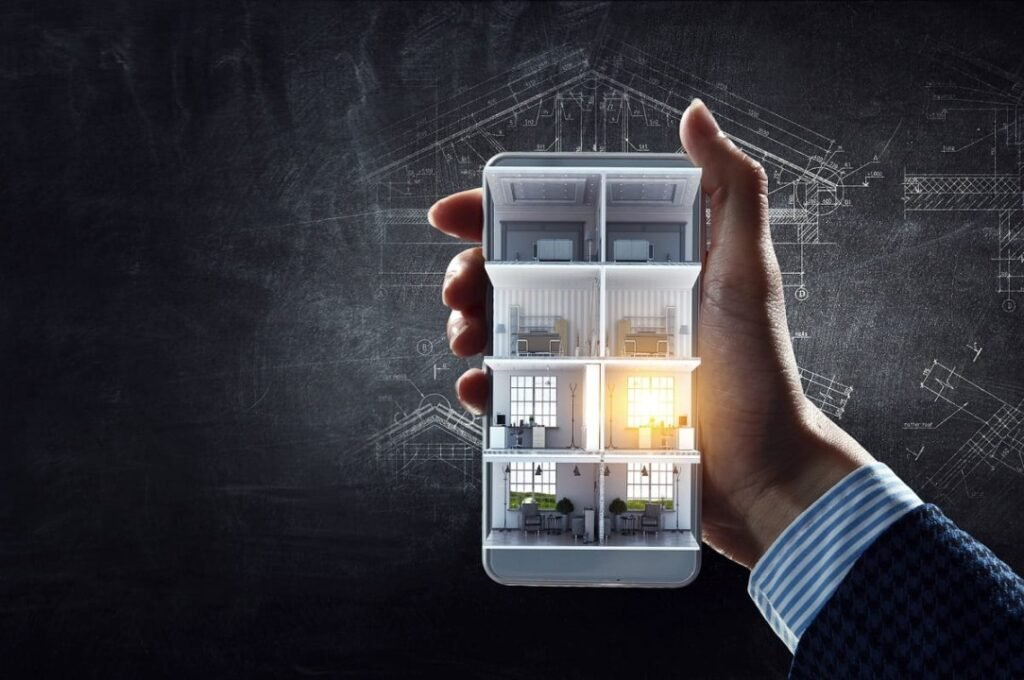
By tracking energy consumption across systems, digital twins identify inefficiencies instantly. Managers can test energy-saving strategies virtually before implementing them physically.
This leads to lower utility costs and reduced carbon footprints.
Digital twins help developers and owners track sustainability metrics over time. This transparency supports green certifications, regulatory compliance, and long-term value creation.
Investors are increasingly using digital twins to evaluate and manage assets more intelligently.
A digital twin provides deep insight into a property’s operational health, future maintenance needs, and revenue potential. This clarity leads to more accurate valuations and smarter investment decisions.
Investors can simulate market changes, occupancy shifts, or economic pressures within the digital twin. This ability to test scenarios helps mitigate risk and plan strategically.
The impact of digital twins extends beyond individual buildings.
Entire neighborhoods and cities are now being replicated digitally. Urban planners can model traffic flow, infrastructure demand, population growth, and environmental impact before making real-world changes.
This approach leads to more livable, efficient, and resilient communities.
Digital twins create a shared platform for governments, developers, and citizens. Transparency improves trust, and decision-making becomes more inclusive and data-driven.
Despite their potential, digital twins are not without challenges.
Creating a comprehensive digital twin requires upfront investment in technology, data infrastructure, and skilled professionals. For some developers, this can feel like a barrier.
However, the long-term savings and value creation often outweigh the initial costs.
Digital twins rely on large volumes of accurate data. Integrating systems and ensuring data quality can be complex, especially in older buildings.
As technology matures, these challenges are becoming easier to manage.
The future of real estate will be increasingly digital, intelligent, and connected.
Digital twins are expected to become standard practice rather than a premium feature. As artificial intelligence grows more advanced, digital twins will not only reflect reality but also recommend actions, automate decisions, and continuously optimize performance.
Properties will no longer be static assets. They will be adaptive environments that learn, respond, and improve over time.
Digital twins are not just another tech layer added to real estate. They represent a fundamental change in how properties are understood and managed.
They bridge the gap between physical space and digital intelligence. They empower stakeholders with clarity, confidence, and control. Most importantly, they humanize technology by making spaces more comfortable, sustainable, and responsive to real needs.
As digital twins continue to rise, real estate is entering a future where buildings don’t just exist. They think, adapt, and evolve alongside the people who live and work within them.
Do Follow Estate Magazine on Instagram
Read More:- Experience Innovation: Dubai’s First Mercedes-Benz Themed Urban Masterpiece 2025