India’s real estate journey is entering a defining phase. While metro cities once dominated headlines and investor attention, the real momentum is now building quietly yet powerfully in tier-2 and tier-3 cities. These emerging urban centres are no Property longer just alternatives to metros. They are becoming growth engines in their own right, driven by infrastructure expansion, rising aspirations, digital connectivity, and a new generation of homebuyers and investors.
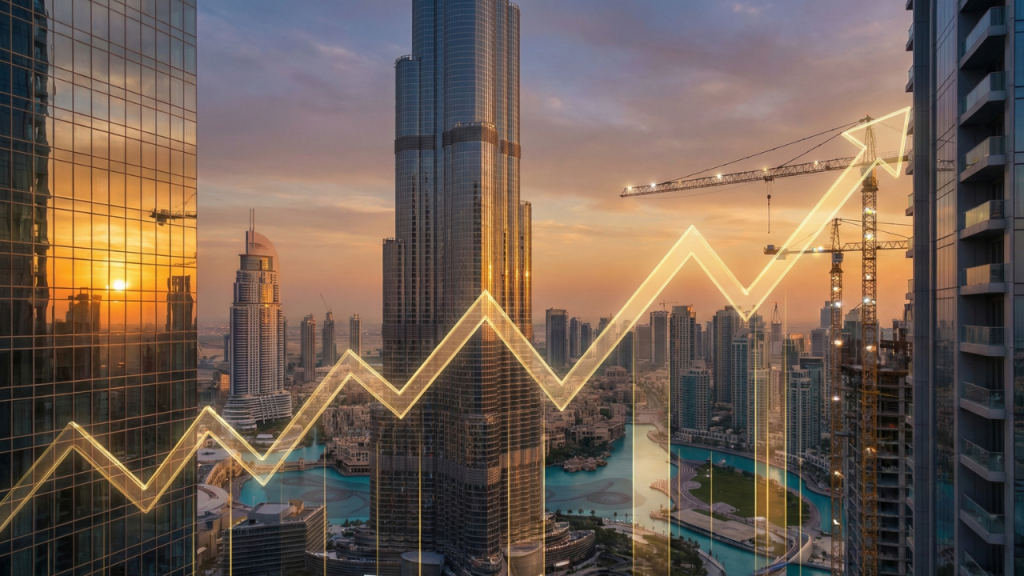
In this evolving landscape, the launch of Micro Mitti’s Dubai office marks a strategic step that connects India’s fast-growing real estate markets with global capital and diaspora investors. It reflects a broader shift in how Indian real estate is perceived, accessed, and scaled across borders.
For decades, cities like Mumbai, Delhi NCR, Bengaluru, and Chennai defined India’s property market. They attracted the bulk of investment, talent, and development activity. However, rising property prices, congestion, and limited land availability have gradually reduced affordability and returns in these metros.
Tier-2 and tier-3 cities are stepping into this gap with confidence.
Cities such as Indore, Jaipur, Lucknow, Surat, Coimbatore, Nagpur, Bhubaneswar, and Trichy are witnessing a new wave of planned development. Improved highways, airports, metro rail projects, and smart city initiatives have significantly upgraded urban infrastructure. These cities now offer a balanced lifestyle, combining economic opportunity with affordability and livability.
The appeal of emerging cities goes beyond lower property prices.
Homebuyers are increasingly prioritising space, quality of life, and long-term stability. Tier-2 and tier-3 cities offer larger homes, greener surroundings, and shorter commute times. For families and first-time buyers, this combination is far more attractive than compact apartments in overcrowded metros.
Investors, meanwhile, see stronger potential for capital appreciation. With prices still at an early growth stage, these markets offer entry points that metros can no longer provide. Rental yields are also improving as local employment hubs expand and educational institutions attract steady migration.
One of the biggest drivers behind the rise of smaller cities is economic decentralisation.
Manufacturing units, IT parks, logistics hubs, and startup ecosystems are increasingly moving beyond metros. Government initiatives supporting industrial corridors and regional development have encouraged businesses to set up operations closer to talent pools in non-metro regions.
As employment opportunities grow locally, housing demand follows naturally. This creates a self-sustaining cycle where real estate growth supports economic activity, and economic growth fuels real estate demand.
India’s middle class is expanding rapidly, and with it comes a new mindset towards homeownership.
Buyers in tier-2 and tier-3 cities are aspirational, informed, and digitally savvy. They seek well-planned townships, gated communities, modern amenities, and transparent buying processes. Developers are responding by raising construction quality and introducing lifestyle-focused projects that were once exclusive to metros.
This shift is redefining what real estate development looks like across India.
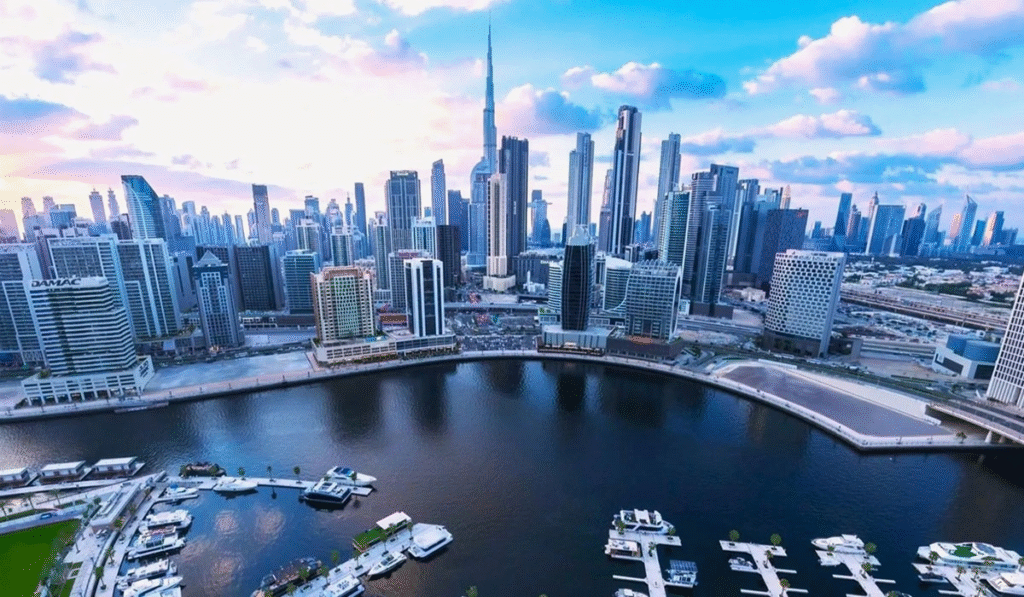
Micro Mitti has positioned itself at the heart of this transformation. By focusing on emerging markets rather than saturated metro regions, the company aligns directly with India’s next phase of urban growth.
The brand’s approach centres on identifying high-potential micro-markets, understanding local demand patterns, and offering projects that balance affordability with long-term value. This philosophy resonates strongly with both domestic and international investors seeking stable, growth-oriented opportunities.
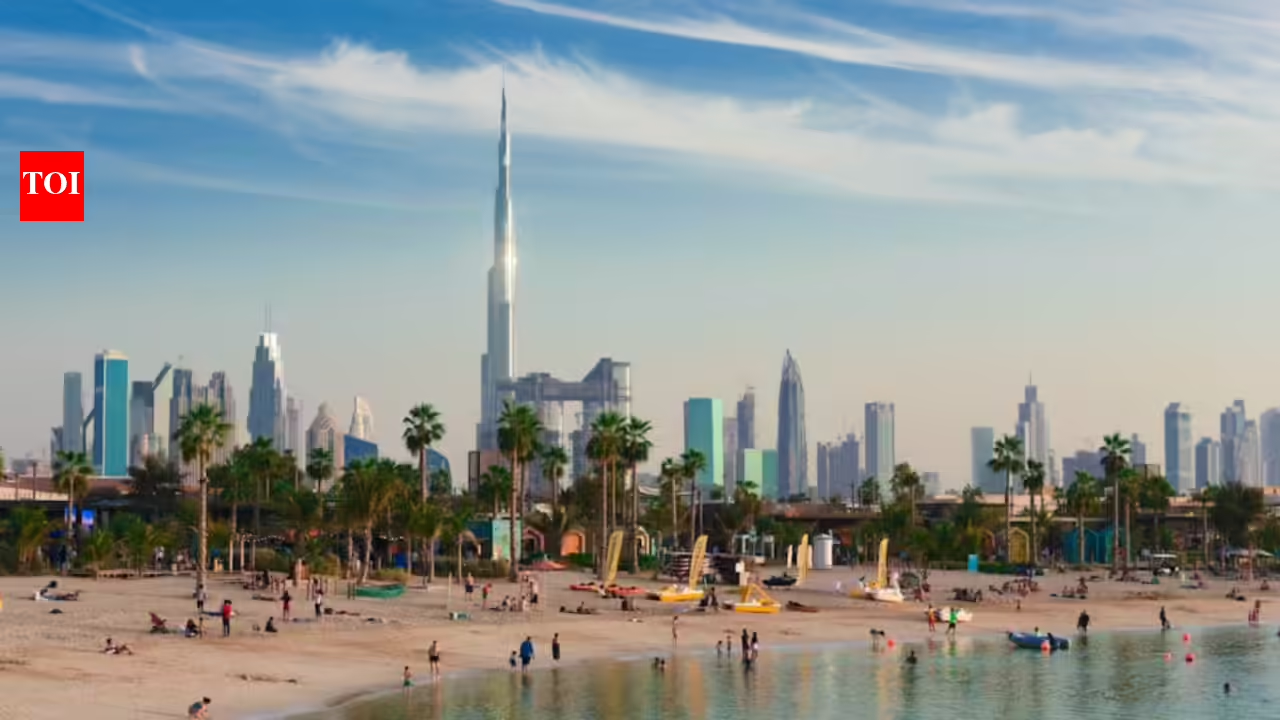
The opening of Micro Mitti’s Dubai office is a strategic milestone that reflects the global interest in India’s tier-2 and tier-3 real estate markets.
Dubai serves as a natural gateway for international investors, particularly the Indian diaspora across the Middle East, Europe, and Africa. These investors are increasingly looking beyond luxury assets in global cities and towards high-growth opportunities rooted in India’s real economy.
By establishing a presence in Dubai, Micro Mitti aims to bridge this gap.
The Dubai office allows Micro Mitti to engage directly with overseas investors who understand India’s potential but seek professional guidance and on-ground expertise.
This move enables transparent communication, structured investment options, and a clearer understanding of how emerging Indian cities are evolving. It also reflects confidence in India’s regulatory maturity and long-term growth outlook.
For investors, it offers access to curated opportunities in markets that are still underrepresented globally but rich in upside potential.
International investors are increasingly drawn to India’s smaller cities for several reasons.
Property prices in these markets remain competitive compared to global standards. At the same time, demographic trends strongly favour growth, with young populations, rising incomes, and increasing urbanisation.
Unlike speculative markets, tier-2 and tier-3 cities offer demand-led growth driven by real housing needs. This reduces volatility and supports sustainable returns over time.
Global investors today value stability as much as returns.
Emerging Indian cities provide this balance. They are less exposed to sharp price corrections and benefit from consistent end-user demand. Rental income, though moderate initially, tends to grow steadily as cities mature.
Micro Mitti’s strategy aligns with this mindset by focusing on long-term value creation rather than short-term gains.
Another reason India’s real estate story is gaining global attention is improved transparency and digital access.
Buyers can now evaluate projects remotely, track construction progress, and understand legal documentation more clearly. Developers and real estate platforms are embracing digital tools to build trust and streamline transactions.
Micro Mitti’s expansion reflects this evolution, offering investors clarity, data-driven insights, and professional management across borders.
The growing international interest in tier-2 and tier-3 cities has a positive ripple effect.
Developers gain access to diversified funding sources, allowing them to plan larger and more sustainable projects. Local economies benefit from job creation, infrastructure upgrades, and improved civic facilities.
As global capital flows into these cities, it accelerates their transformation into well-rounded urban centres rather than fragmented growth pockets.
Real estate is no longer just about buildings. It is about shaping cities.
Investments in emerging cities contribute to better roads, schools, healthcare facilities, and community spaces. Over time, this improves overall quality of life and strengthens regional development.
Micro Mitti’s focus on thoughtful growth supports this broader vision of urban progress.
India’s real estate future will not be defined by a handful of megacities alone.
The next decade belongs to cities that combine affordability, opportunity, and quality of life. Tier-2 and tier-3 markets are poised to absorb a significant share of housing demand as urbanisation deepens and economic activity spreads more evenly across the country.
For investors, developers, and homebuyers alike, understanding this shift is crucial.
Micro Mitti’s Dubai office launch symbolises more than geographical expansion. It represents a mindset that sees India’s growth story as globally relevant yet deeply local.
By connecting international investors with emerging Indian cities, the company highlights where the real opportunity lies. Not in crowded skylines, but in growing communities with strong fundamentals and a clear future.
India’s tier-2 and tier-3 cities are no longer waiting in the shadows of metros. They are shaping the next chapter of the country’s real estate narrative with confidence and clarity.
As Micro Mitti takes India’s emerging property story to Dubai, it sends a strong message. The future of Indian real estate is inclusive, globally connected, and rooted in cities that are ready to grow.
For those looking to be part of India’s long-term success, the journey is no longer limited to metros. The real story is unfolding beyond them, steadily, sustainably, and with immense promise.
Do Follow Estate Magazine on Instagram
Read More:- Dubai Dominates Future Wealth With Regulated Crypto Property Investments 2025