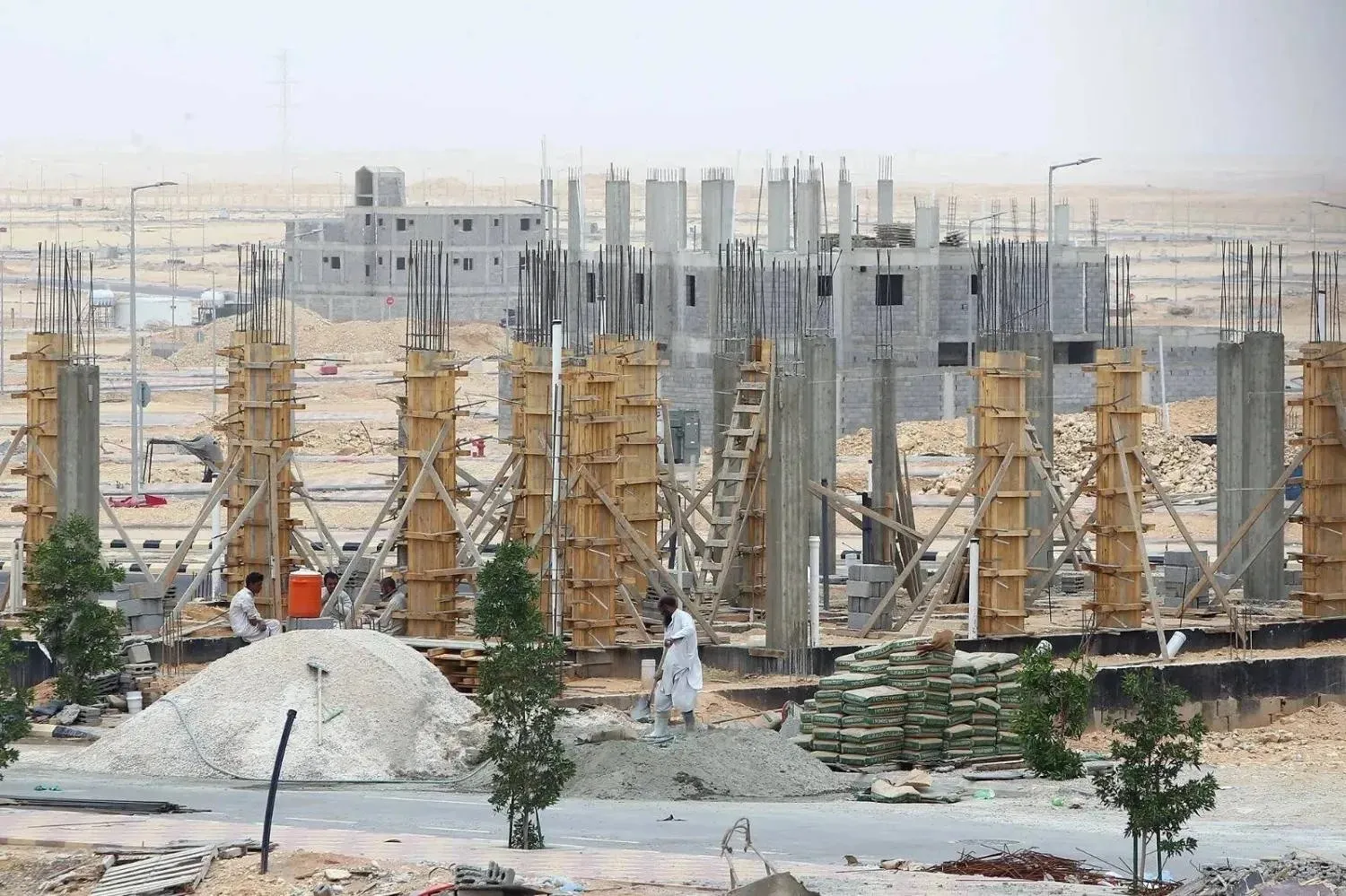
The Saudi Arabian property market is undergoing a significant transformation. While Riyadh continues to dominate with record-breaking investments, Dammam is experiencing a rapid surge, and Jeddah has found a stabilizing rhythm. These shifts reflect both the changing dynamics of urban development and the increasing investor confidence across the Kingdom.
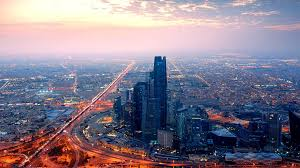
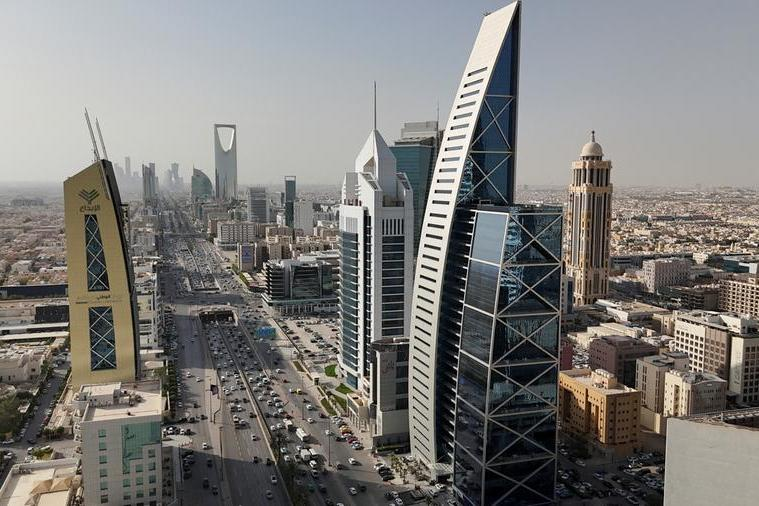
Riyadh, the nation’s capital, has long been the epicenter of Saudi Arabia’s real estate ambitions. In recent months, the city’s property market has reached a remarkable $4.7 billion, setting new benchmarks for growth and investment. This surge has been fueled by a combination of government initiatives, foreign investments, and private sector expansion.
Investors are drawn to Riyadh for its robust infrastructure and the promise of high returns. Mega-projects such as residential complexes, commercial hubs, and mixed-use developments are reshaping the cityscape, attracting a diverse array of buyers and tenants. The city’s focus on smart city solutions and sustainable developments has also played a critical role in elevating property values, making Riyadh a hotspot for long-term investment.
The influx of capital has not only transformed the skyline but also created ripple effects across the job market, construction sector, and hospitality industry. Real estate developers are increasingly prioritizing modern, eco-friendly designs that align with the Kingdom’s Vision 2030 goals, ensuring that Riyadh remains at the forefront of property innovation.
While Riyadh experiences a rapid ascent, Jeddah’s property market tells a different story. Over the past few months, Jeddah has found stability, with property prices and investments maintaining a consistent pace. This steadiness has been attributed to careful planning, market regulations, and a well-established real estate ecosystem that balances demand and supply effectively.
Jeddah’s status as a commercial and cultural hub contributes to its resilient property market. Coastal developments and waterfront projects continue to appeal to both residents and investors, but growth is measured and sustainable. This stability is increasingly attracting conservative investors who prefer predictable returns over rapid but volatile gains.
Moreover, Jeddah’s long-term projects, including luxury residential units and mixed-use complexes, are designed to withstand market fluctuations. The city’s strategic approach demonstrates that growth does not always need to be aggressive to be successful. Investors are beginning to recognize that steady performance, combined with lifestyle-oriented developments, can provide equally strong returns over time.
Dammam, the capital of the Eastern Province, is emerging as one of Saudi Arabia’s most dynamic real estate markets. The city has witnessed a remarkable surge in property activity, fueled by economic diversification and infrastructural advancements. This rapid growth is positioning Dammam as a formidable competitor to the more established markets of Riyadh and Jeddah.
Several factors contribute to Dammam’s rise. The city’s strategic location as an industrial and commercial hub enhances its attractiveness for both residential and commercial projects. Investors are increasingly interested in modern residential complexes, office spaces, and logistics facilities that cater to the growing population and expanding industries.
Dammam’s appeal is further strengthened by government initiatives aimed at improving urban living standards. Investments in transportation networks, public amenities, and cultural landmarks are transforming the city into a vibrant, modern metropolis. Developers are responding with innovative designs, offering high-quality properties that balance affordability with luxury, making Dammam a city of opportunities for both buyers and investors.
Several common factors are influencing the differing trends in Riyadh, Jeddah, and Dammam. Understanding these can provide valuable insights for investors, developers, and residents alike.
Government Policies and Vision 2030
Saudi Arabia’s Vision 2030 continues to play a pivotal role in shaping the real estate market. Initiatives to diversify the economy, attract foreign investment, and enhance urban infrastructure have created favorable conditions for property growth. Cities like Riyadh benefit from mega-projects, while Dammam sees a surge due to industrial and commercial development incentives.
Population Growth and Urbanization
Rapid urbanization and population growth are increasing demand for residential and commercial properties. Young professionals and expatriates are seeking modern living spaces, driving developers to focus on high-quality apartments, villas, and mixed-use complexes.
Infrastructure and Connectivity
Investment in infrastructure, including transportation networks, airports, and public facilities, has a direct impact on property markets. Cities with better connectivity and access to amenities attract higher investments, as seen in Riyadh’s smart city initiatives and Dammam’s industrial expansions.
Investor Confidence
Confidence among local and international investors is a crucial determinant of market activity. Riyadh’s record-breaking $4.7 billion shows strong investor trust, while Dammam’s surge indicates growing optimism about the city’s potential. Jeddah’s stability reflects a mature market where risk is balanced with predictable returns.
The shifting dynamics in Saudi Arabia’s property markets create numerous opportunities for investors and homebuyers. Each city offers unique advantages:
Investors who diversify across these cities can balance risk and benefit from both rapid growth and stable returns. Homebuyers, on the other hand, have access to a wider range of modern, high-quality residential options, catering to different budgets and lifestyles.
The outlook for Saudi Arabia’s property market remains optimistic. With government support, economic diversification, and a focus on sustainable urban development, the Kingdom is likely to continue attracting both domestic and international investment.
Riyadh is expected to maintain its leadership position, driven by mega-projects and continuous demand for premium properties. Jeddah’s steady market will likely continue to provide reliable returns, while Dammam is poised for further expansion as infrastructure projects and industrial developments progress.
The convergence of technology, urban planning, and strategic investments promises to make Saudi Arabia’s property market more dynamic and attractive than ever. Stakeholders who understand these shifts and act strategically are likely to reap significant rewards in the years ahead.
Saudi Arabia’s real estate landscape is evolving rapidly, with Riyadh setting new records, Dammam emerging as a high-growth market, and Jeddah maintaining a steady course. Each city offers distinct opportunities, reflecting the broader economic and social transformations taking place in the Kingdom.
For investors, developers, and residents, understanding these shifts is essential. By aligning with the right strategies, stakeholders can capitalize on this dynamic market and participate in Saudi Arabia’s journey toward sustainable urban growth and economic diversification.
Do Follow Estate Magazine on Instagram
Read More:- Ras Al Khaimah’s Jebel Jais Closes Temporarily, Visitors Stay Excited 2025