In 2025, the UAE has taken decisive steps to strengthen one of its most personal national priorities: housing for its citizens. Beyond policies and budgets, these initiatives reflect a deeper commitment to family stability, social well-being, and long-term prosperity. Homeownership is not treated as a distant aspiration, but as a realistic, supported goal that aligns with the country’s broader vision for sustainable growth and inclusive development.
The renewed focus on citizen housing is visible across emirates, with coordinated efforts to improve access, affordability, design quality, and speed of delivery. For Emirati families, this shift is not just about receiving a home, but about feeling secure, supported, and confident about the future.
Housing has always been central to the UAE’s social fabric. In 2025, that belief has translated into action-driven programs designed to meet the evolving needs of citizens at different life stages.
Government-led housing initiatives now place equal importance on quality of life, community integration, and long-term affordability. The goal is not just to build houses, but to create neighborhoods where families can grow, connect, and thrive.
By aligning housing strategies with population growth, marriage rates, and lifestyle changes, authorities are ensuring that housing solutions remain practical and people-focused rather than one-size-fits-all.
One of the most noticeable developments in 2025 is the scale of financial commitment toward citizen housing. Larger budgets have been allocated to accelerate construction timelines and clear long-standing application backlogs.
Housing authorities have streamlined approval processes, reduced paperwork, and adopted digital platforms to make applications more transparent and efficient. For many citizens, this has meant shorter waiting periods and clearer communication throughout the process.
Faster execution has also boosted confidence among young Emiratis, encouraging earlier family planning and reducing financial uncertainty during critical life transitions.
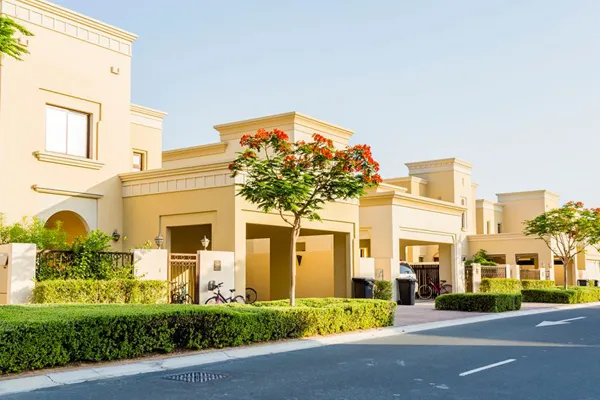
The definition of an ideal home has evolved, and housing initiatives in 2025 reflect this change. While traditional villas remain popular, new options now cater to smaller families, single citizens, and multi-generational households.
Townhouses, low-rise apartment communities, and flexible housing layouts are increasingly part of citizen housing plans. These options provide affordability without compromising privacy or cultural values.
Many housing programs now allow citizens to choose from multiple design templates or customize layouts based on family size and future needs. This flexibility helps residents feel a stronger sense of ownership and emotional connection to their homes.
The emphasis on adaptable living spaces ensures homes remain functional as families grow or change over time.
Access to financing has been another key focus area in 2025. Housing loans and grants are structured to ease financial pressure, especially for first-time homeowners.
Lower interest rates, extended repayment periods, and higher loan ceilings have made homeownership more accessible. In some cases, citizens benefit from a mix of grants and loans, reducing the overall financial burden.
This approach recognizes that affordability is not just about the price of a home, but about manageable monthly commitments that allow families to maintain a comfortable standard of living.
Housing initiatives in 2025 increasingly align with the UAE’s sustainability goals. Energy-efficient designs, solar integration, and water-saving technologies are becoming standard features in citizen housing projects.
These measures not only reduce environmental impact but also lower utility costs for residents, delivering long-term financial benefits.
New housing developments are no longer isolated residential clusters. Schools, mosques, parks, healthcare centers, and retail outlets are being integrated into master-planned communities.
This thoughtful planning reduces commute times, strengthens social bonds, and enhances daily convenience, especially for families with children and elderly members.
In 2025, special attention has been given to young citizens and newly married couples. Early eligibility for housing assistance allows them to plan their futures with greater confidence.
By supporting citizens at the beginning of their family journey, the government is reinforcing social stability and encouraging responsible financial planning.
These initiatives also promote independence by enabling young Emiratis to establish their own homes earlier, reducing reliance on extended family housing while still respecting cultural values.
This balance between independence and tradition reflects the UAE’s broader social evolution.
Citizen housing initiatives are playing a key role in driving balanced development across all emirates. By expanding housing projects beyond major urban centers, authorities are encouraging population distribution and regional economic growth.
Smaller cities and emerging communities benefit from improved infrastructure, job creation, and increased local investment. For citizens, this means more choice in where they live without sacrificing access to essential services.
This strategy supports long-term national resilience by ensuring growth is inclusive and geographically balanced.
Digital transformation has reshaped how citizens interact with housing authorities. Online portals now provide real-time updates on application status, payment schedules, and project milestones.
This transparency builds trust and reduces uncertainty, allowing applicants to plan their finances and personal lives more effectively.
Behind the scenes, data analytics is helping authorities forecast demand, optimize resource allocation, and identify areas for improvement. This ensures housing initiatives remain responsive and future-ready.
A home is more than a physical structure; it is a foundation for emotional security. In 2025, housing initiatives increasingly recognize the link between stable housing and mental well-being.
Knowing that a secure home is within reach reduces stress, supports healthier family relationships, and fosters a stronger sense of belonging. This human-centered perspective is shaping how housing success is measured, shifting focus from numbers to lived experiences.
The housing initiatives rolled out in 2025 are not short-term solutions. They are part of a long-term vision that sees citizen well-being as the cornerstone of national progress.
By investing in quality homes, sustainable communities, and accessible financing, the UAE is reinforcing a social contract built on trust, care, and shared prosperity.
For citizens, these initiatives send a clear message: their comfort, stability, and future matter. As the country continues to grow and modernize, the commitment to providing dignified, affordable housing ensures that progress is felt not just in skylines, but within homes and families across the nation.
Do Follow Estate Magazine on Instagram
Read More:- Dubai Dominates Future Wealth With Regulated Crypto Property Investments 2025