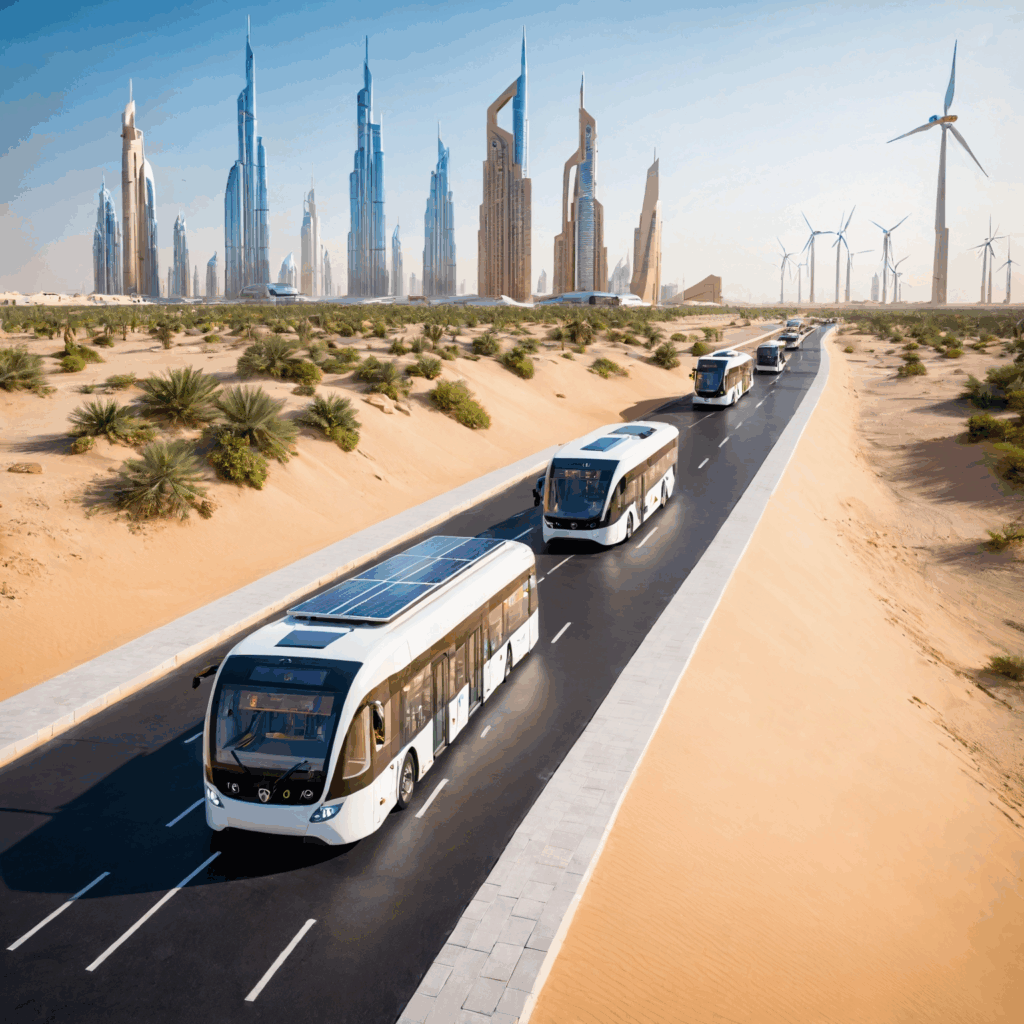
The sound of engines on UAE roads is changing. Where fuel-powered vehicles once dominated highways and city streets, electric vehicles are now becoming a common sight. In 2025, the UAE’s electric vehicle market recorded an impressive 41 percent surge, reflecting not just a shift in technology, but a broader change in mindset. This growth tells a story of ambition, environmental responsibility, and a nation determined to lead the future of mobility.
From daily commuters in Dubai to fleet operators in Abu Dhabi, more residents and businesses are choosing electric vehicles as their preferred mode of transport. The reasons go beyond trends or incentives. For many, EVs represent a cleaner, smarter, and more cost-efficient way to move forward in a rapidly evolving world.
The UAE has long positioned itself as a forward-thinking country, unafraid to invest in the future. The rise of electric vehicles fits seamlessly into this vision. Sustainability goals, urban planning strategies, and innovation-driven policies are aligning to make green mobility a practical reality rather than a distant goal.
As cities expand and populations grow, the need for cleaner transport solutions has become more urgent. Electric vehicles offer a way to reduce emissions while maintaining the comfort, performance, and convenience drivers expect. The 41 percent growth seen in 2025 highlights how quickly these solutions are being adopted.
Strong leadership has played a crucial role in accelerating EV adoption. National sustainability agendas and clean energy strategies have created a supportive ecosystem where electric mobility can thrive. Reduced registration fees, parking benefits, and charging incentives have made EV ownership more attractive for residents.
At the same time, long-term targets aimed at reducing carbon emissions have encouraged both public and private sectors to rethink transportation choices. This clear direction has given consumers confidence that electric vehicles are not a passing phase, but a permanent part of the UAE’s future.
One of the biggest concerns for potential EV buyers is charging accessibility. The UAE has addressed this challenge head-on. In 2025, charging networks expanded rapidly across residential communities, business districts, highways, and shopping destinations.
Fast-charging stations are now strategically placed to support long-distance travel, while home and workplace charging options have become more common. This growing infrastructure removes range anxiety and reassures drivers that electric vehicles fit seamlessly into their daily routines.
Behind the statistics are people making conscious choices. UAE residents are increasingly aware of the environmental impact of their lifestyles, and transportation is a key area where change feels achievable. Electric vehicles offer a way to contribute to sustainability without sacrificing performance or comfort.
Modern EVs deliver instant torque, quiet rides, and advanced technology features that appeal to both first-time buyers and seasoned motorists. For many drivers, the switch to electric is not a compromise, but an upgrade.
Rising fuel costs and maintenance expenses have prompted drivers to reconsider traditional vehicles. Electric vehicles, with fewer moving parts and lower energy costs, offer long-term savings that resonate with budget-conscious consumers.
In 2025, this financial advantage became clearer to a wider audience. As more EV models entered the market at competitive price points, electric mobility became accessible beyond luxury segments, attracting families, young professionals, and small business owners.
Owning an electric vehicle in the UAE has also become a lifestyle statement. EV drivers often see themselves as part of a progressive community that values innovation and responsibility. This sense of purpose adds an emotional connection to the decision, turning a car purchase into a reflection of personal values.
The rapid growth of the EV market has not gone unnoticed by global and regional automakers. In response to increasing demand, manufacturers are expanding their electric portfolios and introducing models designed specifically for Middle Eastern conditions.
Heat-resistant batteries, enhanced cooling systems, and improved range performance are making EVs more suitable for the UAE climate. This customization strengthens consumer trust and accelerates adoption.
In 2025, the UAE market saw a broader range of electric vehicles than ever before. Compact city cars, premium sedans, SUVs, and commercial vehicles all contributed to the surge. This diversity ensures that electric mobility is no longer limited to a niche audience.
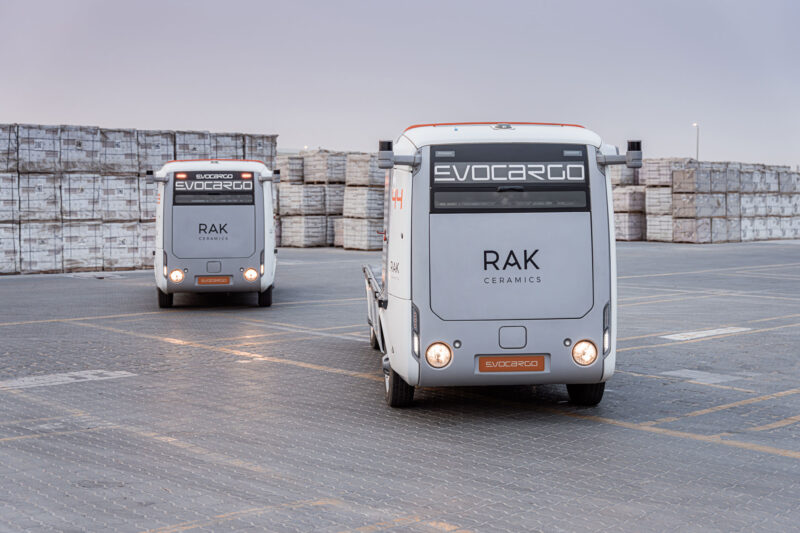
Businesses are also embracing electric fleets for logistics, ride-hailing, and corporate transportation. These large-scale transitions amplify the impact of EV adoption and reinforce the market’s growth trajectory.
Advanced driver-assistance systems, smart connectivity, and energy-efficient designs are redefining the driving experience. Electric vehicles are increasingly viewed as technology platforms on wheels, appealing to tech-savvy consumers who expect more from their cars.
Regular software updates and intelligent energy management systems further enhance performance, making EV ownership feel modern and future-ready.
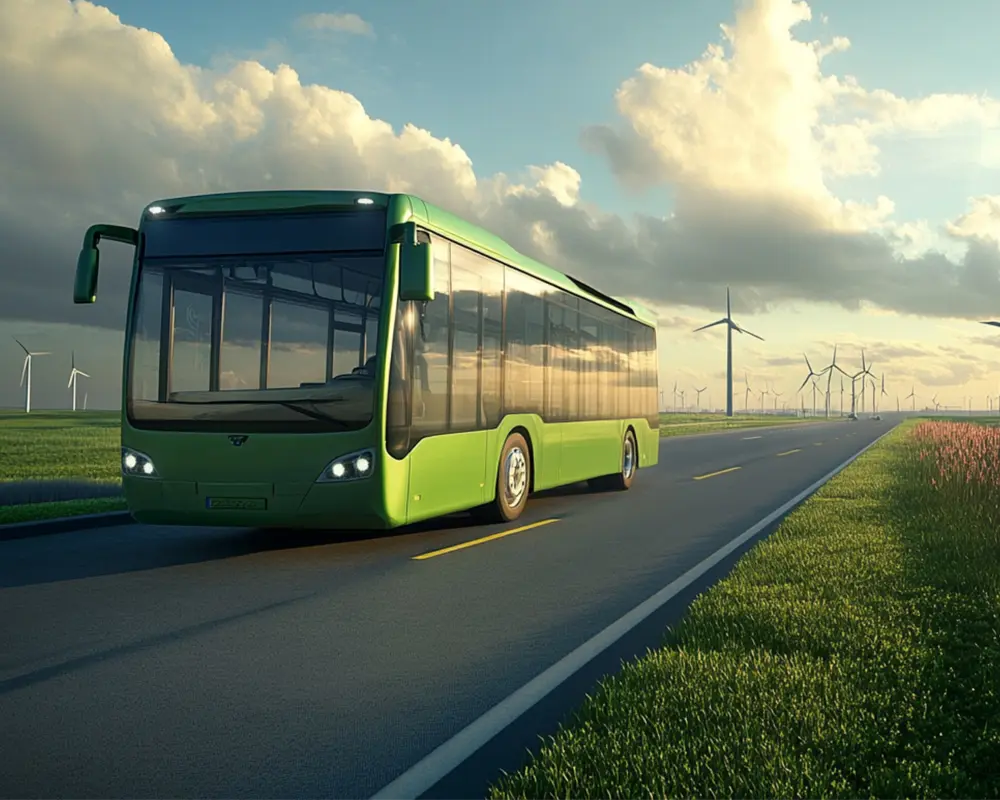
The surge in electric vehicles is closely tied to how UAE cities are evolving. Urban planners are integrating EV-friendly infrastructure into new developments, ensuring that sustainability is embedded from the ground up.
Residential towers, office complexes, and mixed-use communities are now designed with charging stations as a standard feature. This integration removes barriers to adoption and normalizes electric mobility as part of everyday life.
Smart city initiatives across the UAE emphasize efficiency, connectivity, and sustainability. Electric vehicles align perfectly with these goals, contributing to cleaner air and reduced noise pollution.
As autonomous and connected vehicle technologies continue to develop, electric platforms provide a strong foundation for future mobility solutions. The 2025 surge reflects not just present demand, but readiness for what comes next.
Beyond economic and technological benefits, the environmental impact of EV growth is significant. A 41 percent increase in electric vehicles translates into fewer emissions and improved air quality, especially in densely populated urban areas.
For families, this means healthier living environments. For future generations, it represents a commitment to preserving natural resources and reducing dependence on fossil fuels.
The UAE’s EV momentum supports broader global efforts to combat climate change. By reducing transport-related emissions, the country strengthens its position as a responsible global citizen and a regional leader in sustainability.
This alignment enhances the UAE’s international reputation and attracts environmentally conscious investors and businesses.
While the growth is impressive, the journey is far from complete. Continued investment in infrastructure, consumer education, and grid capacity will be essential to sustain momentum. Addressing concerns around battery recycling and energy sourcing will also play a key role in the next phase of development.
However, these challenges come with opportunities. Innovation in renewable energy integration, battery technology, and mobility services can further strengthen the EV ecosystem.
As more drivers experience the benefits of electric vehicles firsthand, trust in the technology continues to grow. Word-of-mouth recommendations and visible success stories are powerful drivers of adoption.
Education campaigns and transparent communication about EV capabilities help dispel myths and encourage hesitant buyers to make the switch.
The 41 percent surge in the UAE’s electric vehicle market in 2025 is more than a milestone. It is a powerful signal that the country is ready to embrace cleaner, smarter, and more responsible mobility. This growth reflects collective action from policymakers, businesses, automakers, and everyday drivers.
As charging stations light up across highways and city streets, they symbolize progress and possibility. The UAE is not just adapting to global trends, but shaping them, proving that sustainability and innovation can move forward together.
The road ahead is electric, and the UAE is accelerating with confidence. Each new EV on the road represents a step toward reduced emissions, enhanced quality of life, and a resilient future economy.
As momentum builds, electric vehicles will become the norm rather than the exception. The 2025 surge marks a defining chapter in the UAE’s mobility story, one driven by vision, responsibility, and a shared commitment to a greener tomorrow.
Do Follow Estate Magazine on Instagram
Read More:- International Defence Conference 2026 Signals Powerful Shift in Global Security