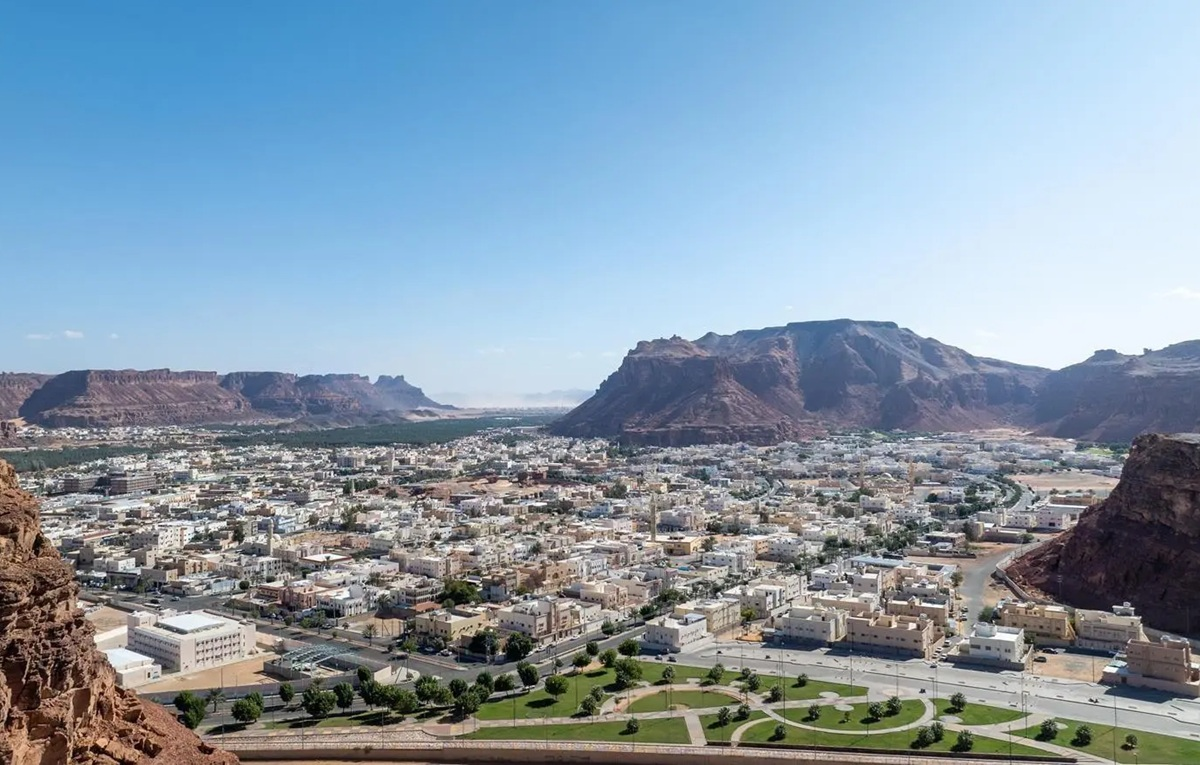
Saudi Arabia has taken a transformative step in reshaping the future of AlUla by lifting the long-standing suspension on land sales and related real estate transactions in the region’s central and southern zones. This decision, announced by the Royal Commission for AlUla, marks a significant milestone in the Kingdom’s broader economic diversification strategy and signals a new era of opportunity for investors, developers, and local communities alike.
AlUla, located in northwestern Saudi Arabia, is globally recognised for its extraordinary natural landscapes and rich cultural heritage. With the removal of restrictions on land transactions, the region is now poised to balance heritage preservation with carefully planned urban and real estate development.
The lifting of the land sale ban reflects a deliberate and strategic shift in how AlUla’s growth is being managed. For years, land transactions were suspended to allow authorities to assess ownership records, protect archaeological assets, and design a long-term master plan aligned with sustainability and cultural conservation goals.
With these foundations now in place, central and southern AlUla are opening up to structured real estate investment. This move creates space for residential, commercial, hospitality, and mixed-use developments that align with AlUla’s vision as a living cultural destination rather than a conventional urban expansion.
The decision is expected to generate strong interest from both domestic and international investors seeking exposure to Saudi real estate beyond traditional metropolitan hubs. AlUla offers a rare proposition: development potential set against a backdrop of world-class heritage, dramatic desert landscapes, and growing global recognition.
By allowing land transactions under clear regulatory frameworks, the Royal Commission for AlUla is sending a strong message of confidence to the market. Developers now have the opportunity to participate in projects that prioritise architectural harmony, low-density planning, and long-term value creation rather than short-term speculation.
Beyond investment appeal, lifting the land sale ban carries meaningful implications for local communities. Residents and landowners in central and southern AlUla now have greater flexibility to develop, sell, or partner on their land, enabling wealth creation and intergenerational economic stability.
New real estate activity is also expected to stimulate job creation across construction, design, property management, tourism, and related service sectors. As development accelerates, small businesses and entrepreneurs stand to benefit from increased demand, helping to build a resilient local economy rooted in opportunity rather than dependency.
Sustainability remains a defining principle of AlUla’s transformation. The reopening of land transactions does not signal unchecked development. Instead, it reflects a controlled approach guided by zoning regulations, environmental impact standards, and architectural guidelines designed to protect the region’s identity.
Developments in AlUla are expected to integrate renewable energy solutions, water conservation systems, and climate-responsive design. This ensures that growth supports environmental stewardship while enhancing the quality of life for residents and visitors alike.
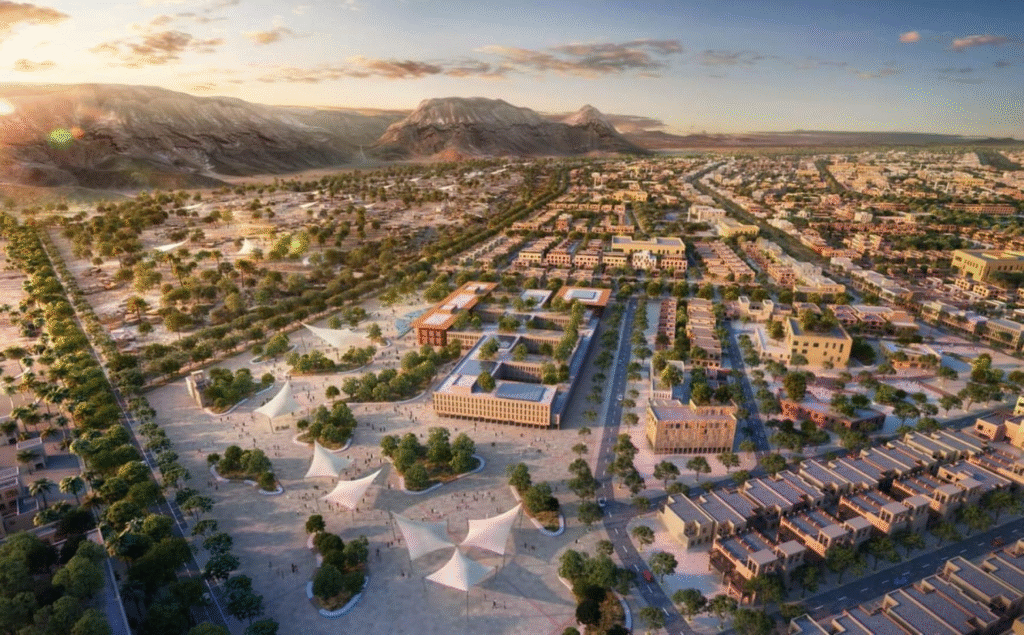
AlUla’s evolution is closely tied to Saudi Arabia’s ambition to position itself as a global cultural and tourism destination. Carefully planned real estate development plays a critical role in supporting this vision by providing high-quality housing, hospitality assets, cultural venues, and community infrastructure.
As new projects emerge in central and southern AlUla, the region is likely to see an expansion of boutique hotels, heritage-inspired residences, cultural districts, and lifestyle-oriented commercial spaces. These developments will enhance AlUla’s ability to host visitors while preserving the authenticity that makes it unique.
Investor confidence often hinges on clarity, and the Royal Commission for AlUla has worked to ensure that the reopening of land transactions is supported by transparent governance. Clear guidelines around land use, ownership transfer, and development approvals provide reassurance that investments are protected and aligned with long-term regional goals.
This regulatory clarity helps differentiate AlUla from speculative markets, positioning it instead as a destination for patient capital focused on sustainable returns and cultural value.
The lifting of the land sale ban in AlUla represents more than a policy adjustment; it marks the beginning of a new chapter in Saudi Arabia’s real estate landscape. By opening central and southern AlUla to investment, the Kingdom is demonstrating how economic growth, cultural preservation, and community development can move forward together.
As interest builds and projects begin to take shape, AlUla is set to emerge as one of the most distinctive real estate and lifestyle destinations in the region. For investors, residents, and visionaries alike, the opportunity lies not just in building properties, but in shaping a future that honours the past while embracing sustainable progress.
Do follow Estate Magazine on Instagram
Read More:- New Luxury Developer ALA Unveils AED1bn Dubai Pipeline