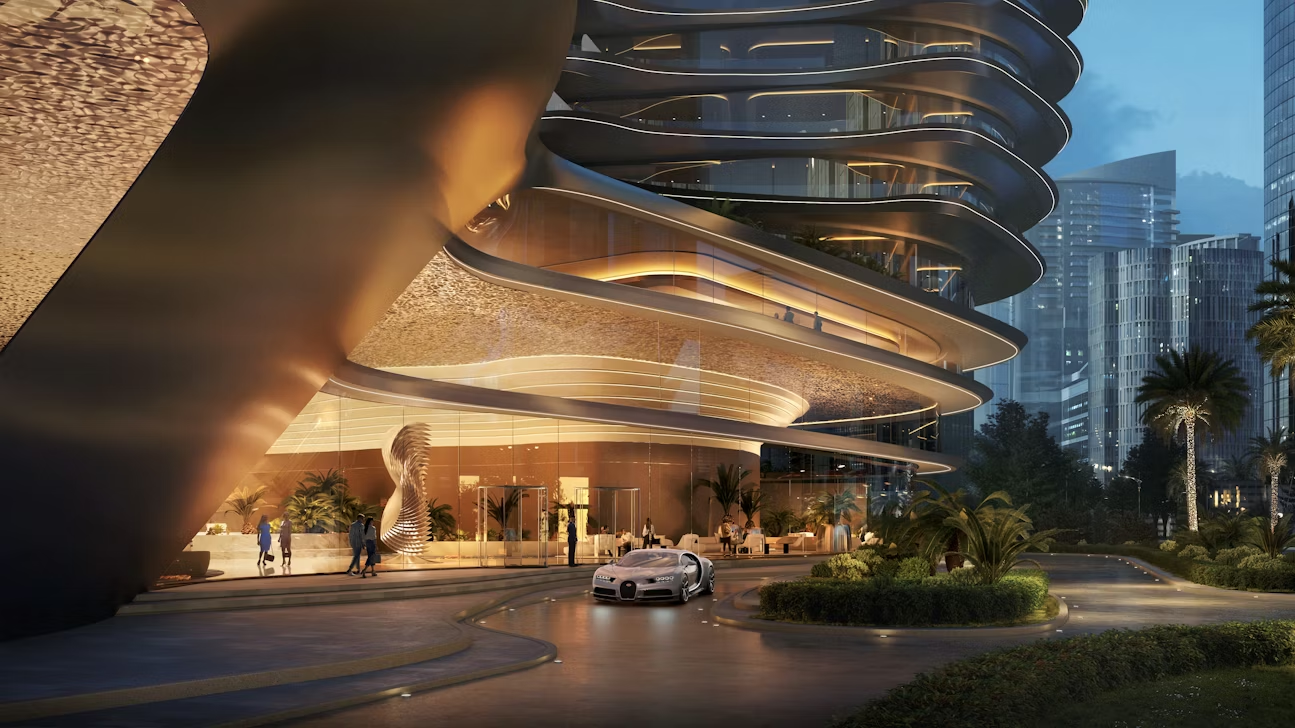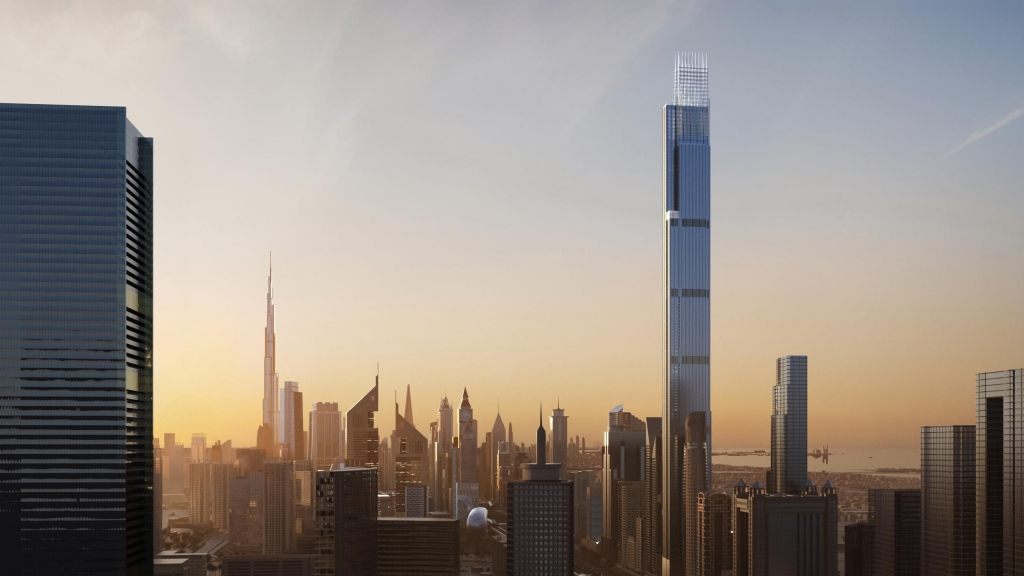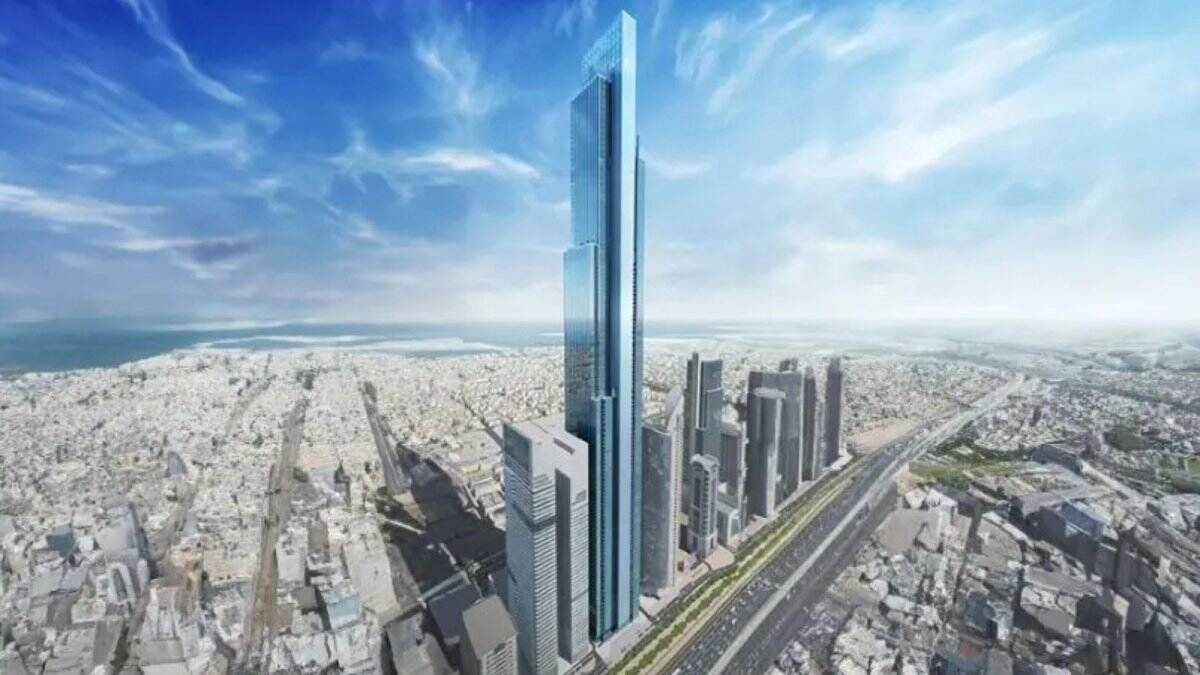
Economic diversification has become more than a policy ambition; it is a necessity for countries seeking resilience in an unpredictable global economy. As traditional revenue streams face volatility, forward-looking nations are turning to ambitious infrastructure and real estate developments to reshape their economic foundations. Mega-projects stand at the center of this shift, acting as catalysts for growth, innovation, and global relevance. Among these transformative developments, Burj Azizi represents how vision-driven construction can extend far beyond architectural ambition to support long-term economic diversification.
Economic diversification refers to the strategic expansion of a nation’s economic activities across multiple sectors, reducing reliance on a single source of income. In regions historically dependent on commodities or limited industries, diversification offers protection against market shocks and opens pathways to sustainable growth. Today, diversification is no longer confined to manufacturing or services alone. It increasingly involves knowledge-based industries, tourism, finance, technology, and lifestyle economies, all of which are often anchored by large-scale development projects.
Mega-projects serve as visible and practical tools in this process. They attract capital, talent, and attention while creating ecosystems where multiple industries can thrive simultaneously. When executed with long-term planning, these projects become economic multipliers rather than isolated landmarks.
Large-scale developments generate economic momentum across various phases. During planning and construction, they stimulate demand for engineering, design, materials, and labor. Once completed, they continue to create value through operations, maintenance, and the businesses they attract.
What sets mega-projects apart is their ability to cluster economic activity. Hospitality, retail, entertainment, corporate offices, and residential spaces often coexist within or around these developments. This clustering encourages cross-sector collaboration and fosters an environment where new business models emerge. As a result, mega-projects do not simply add to an economy; they reshape its structure.
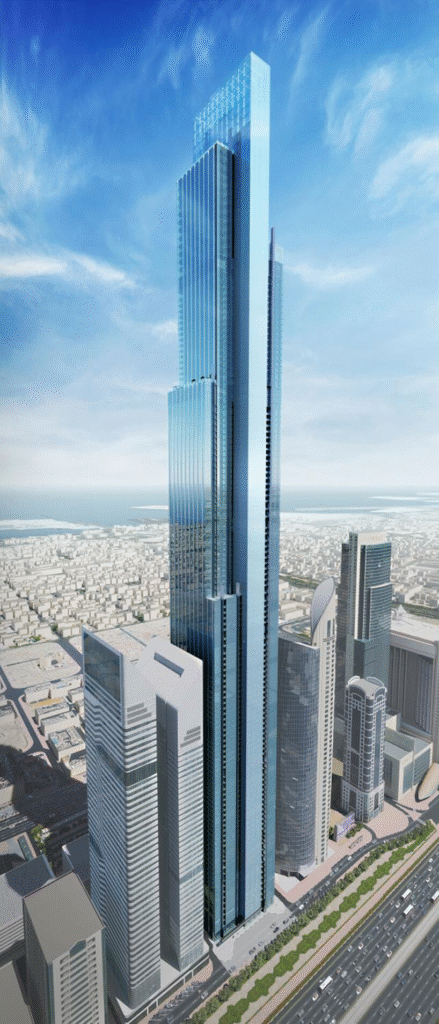
Burj Azizi illustrates how modern mega-projects are designed with economic diversification in mind. Beyond its physical scale, the project reflects a deliberate effort to integrate luxury living, commercial activity, tourism appeal, and global branding into a single development. Such integration ensures that economic benefits are not limited to one sector but distributed across multiple layers of the urban economy.
High-profile developments like this enhance a city’s competitiveness by positioning it as a global destination for investment and lifestyle. They contribute to a diversified real estate market while supporting adjacent industries such as finance, marketing, events, and professional services. Over time, these interconnected activities strengthen the overall economic ecosystem.
One of the most immediate benefits of mega-projects is employment generation. From construction workers and engineers to architects, project managers, and logistics specialists, large developments create thousands of jobs. However, the impact goes deeper than numbers alone.
Mega-projects often demand advanced skills, cutting-edge technology, and international best practices. This requirement accelerates knowledge transfer and upskilling within the local workforce. As professionals gain experience on complex projects, their expertise becomes a long-term asset for the economy. This growing talent base supports diversification by enabling expansion into high-value industries that depend on skilled human capital.
Economic diversification thrives on confidence, and confidence is built through visibility and credibility. Iconic mega-projects send a powerful message to international investors about a country’s ambition, stability, and openness to business. They demonstrate the capacity to execute complex developments and manage large-scale investments effectively.
Such projects often involve global partnerships, bringing together international developers, consultants, financiers, and brands. These collaborations introduce new standards, technologies, and networks into the local economy. Over time, this global integration reduces dependency on domestic markets and strengthens the country’s position within international trade and investment flows.
Mega-projects play a crucial role in expanding the experience economy, a sector that includes tourism, leisure, culture, and lifestyle services. Landmark developments become destinations in their own right, attracting visitors who contribute to hospitality, retail, and entertainment industries.
The economic value of tourism extends beyond direct spending. It supports small businesses, promotes cultural exchange, and enhances a city’s global image. By anchoring tourism growth within diversified urban developments, mega-projects help ensure that visitor-driven revenue complements, rather than replaces, other economic sectors.
Modern mega-projects increasingly function as testing grounds for innovation. Smart building systems, sustainable materials, energy efficiency solutions, and digital infrastructure are often integrated from the outset. These innovations support diversification by encouraging the growth of technology-driven industries.
As developers collaborate with tech providers and sustainability experts, they create opportunities for startups and research initiatives to participate in large-scale applications. This environment nurtures innovation ecosystems that extend beyond construction, influencing sectors such as clean energy, data analytics, and urban mobility.
The true measure of economic diversification lies in resilience. Mega-projects contribute to this resilience by broadening the economic base and creating adaptable urban environments. When global conditions shift, diversified cities can pivot more effectively, supported by multiple income streams and a versatile workforce.
Projects like Burj Azizi are designed with longevity in mind. Their mixed-use nature allows spaces to evolve as market demands change, ensuring continued relevance and economic contribution. This adaptability is essential for sustaining growth across economic cycles.
While mega-projects offer significant opportunities, their success depends on careful planning and alignment with broader economic goals. Diversification is most effective when projects are integrated into national development strategies, supported by infrastructure, regulation, and human capital development.
When ambition is matched with governance and foresight, mega-projects become platforms for inclusive growth rather than symbols of excess. They demonstrate how scale, when guided by purpose, can drive meaningful economic transformation.
Economic diversification through mega-projects reflects a shift in how nations envision development. Rather than relying solely on incremental change, they are embracing bold, integrated solutions that combine infrastructure, innovation, and global engagement. Burj Azizi exemplifies this approach by illustrating how a single development can influence employment, investment, tourism, and technology simultaneously.
As economies continue to navigate uncertainty, mega-projects will remain powerful instruments for shaping diversified, future-ready growth. When designed to serve people, businesses, and long-term resilience, they become more than landmarks. They become foundations for sustainable prosperity.
Do follow Estate Magazine on Instagram
Read More:- Sustainability and Smart-Home Features in Binghatti Mercedes-Benz Homes