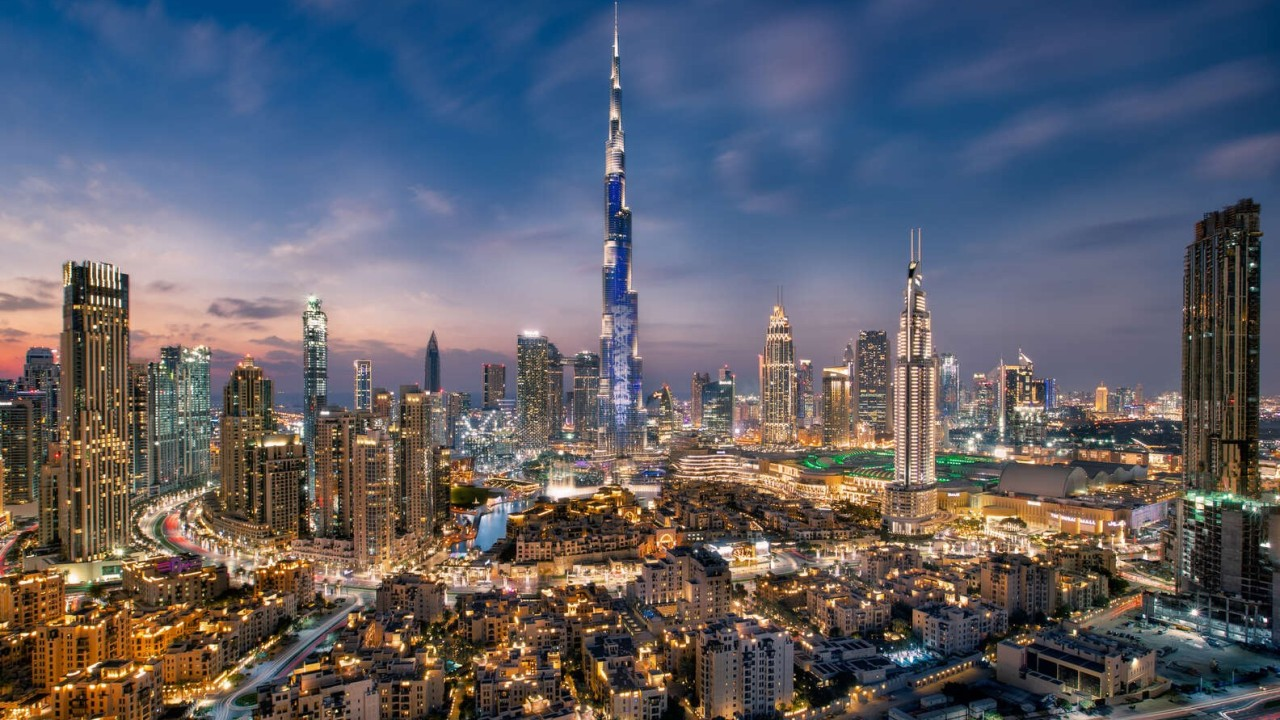
Dubai has long been a hub for global investors, luxury properties, and unmatched real estate growth. Its skyline, dotted with record-breaking towers, has attracted investors from every corner of the world. Recently, UBS, one of the world’s leading financial institutions, has issued a cautionary note: the Dubai real estate market may be approaching bubble territory. While this has raised eyebrows, it also presents an opportunity to understand the market better and make informed decisions.
When UBS talks about a bubble, it refers to a situation where property prices rise rapidly, fueled more by speculation than fundamental demand. In a bubble, prices can detach from the actual value of properties, creating a risk that they could correct sharply. However, a bubble warning doesn’t necessarily mean an imminent crash—it’s a signal for caution.
In Dubai, the real estate market has seen exceptional growth over the past few years. Post-pandemic recovery, a surge in foreign investment, and mega-events have fueled strong demand. Yet, UBS points out that certain segments, particularly luxury apartments and high-end villas, may be priced beyond sustainable levels.
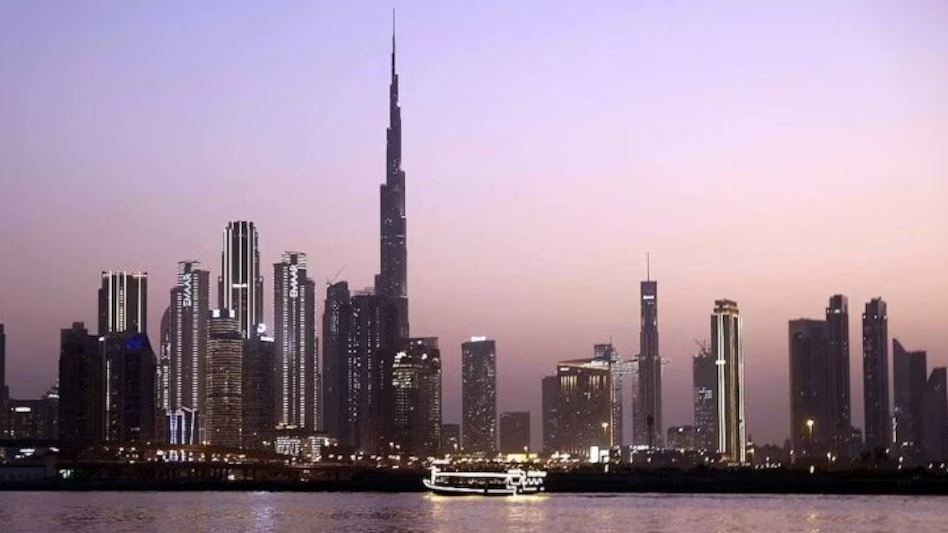
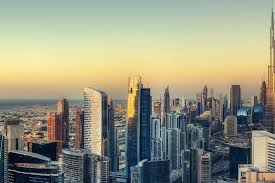
Dubai’s real estate sector has always been a story of rapid transformation. From desert landscapes to a futuristic skyline, the city has attracted investors with its tax-free policies, robust infrastructure, and cosmopolitan lifestyle.
Over the past five years, Dubai has witnessed unprecedented growth in property sales. Residential and commercial sectors have both benefited from foreign interest, and areas like Dubai Marina, Downtown Dubai, and Palm Jumeirah continue to see high demand.
Despite UBS’s caution, experts note that Dubai’s market fundamentals—population growth, tourism, and business-friendly regulations—remain strong. This combination makes Dubai’s property sector resilient, even in periods of high prices.
Several key factors are driving Dubai’s property market to new heights:
International investors are drawn to Dubai for its favorable taxation, stable political environment, and high rental yields. Many buyers from Europe, Asia, and the Middle East see Dubai as a secure investment for long-term capital growth.
Prime areas of Dubai, such as Downtown Dubai and Palm Jumeirah, have limited new supply. Scarcity often drives prices up, especially when demand continues to rise.
Dubai has invested heavily in infrastructure, including world-class transport, entertainment hubs, and commercial districts. Luxury developments are often paired with amenities like private beaches, golf courses, and high-end retail, increasing their perceived value.
Following the global slowdown, Dubai’s real estate market rebounded quickly. International tourism resumed, business activity increased, and property demand surged, contributing to a rapid price recovery.
While UBS warns of a bubble, it’s important to note that not every market indicator points to a crash. Here’s why:
Some areas may indeed show signs of overpricing, but Dubai remains more affordable than other global cities like London, New York, or Hong Kong in terms of property price per square foot.
Dubai’s growing expatriate population ensures strong rental demand. Investors can still benefit from rental yields even if property prices plateau.
Dubai’s government has introduced regulations to prevent market overheating, such as stricter financing rules and escrow regulations. These measures add a layer of security for investors.
A UBS warning can be seen as an opportunity rather than just a red flag. Caution allows buyers to analyze investments carefully, select sustainable opportunities, and avoid speculative risks.
While luxury properties may show bubble-like behavior, mid-market residential units often have stable demand. First-time buyers and mid-tier investors can capitalize on these segments.
Investors with a long-term horizon are less impacted by short-term price fluctuations. Dubai’s population growth, business-friendly policies, and tourism expansion suggest a steady long-term outlook.
New developments in areas like Dubai South, Dubai Creek Harbour, and Al Furjan offer potential for growth. These emerging zones often provide better value than established high-demand locations.
Navigating Dubai’s real estate market during bubble warnings requires strategy. Here are some expert suggestions:
For sellers, a UBS warning might indicate that now is a favorable time to sell premium properties. High-end villas and apartments are seeing peak interest, and sellers can benefit from motivated buyers before potential market adjustments.
Professional agents are key in turbulent markets. They can provide insights, help price properties realistically, and connect buyers with trustworthy developments. Agents with local expertise often know which projects have sustainable demand and which areas may be overvalued.
While UBS’s warning highlights caution, Dubai’s real estate market is unlikely to face a sudden collapse. Instead, experts predict a gradual cooling-off in overheated segments, with moderate price corrections in certain luxury areas. Mid-tier and emerging areas are expected to remain stable or even grow steadily.
Investors who approach the market with research, patience, and long-term perspective can still benefit from Dubai’s real estate growth story. The key is to focus on sustainable value rather than chasing speculative gains.
Dubai’s property market is not just about investors and numbers—it’s about people. Families seeking homes, professionals relocating for work, and expats building futures all contribute to the city’s real estate ecosystem.
For these buyers, a UBS warning is not a reason to panic. Instead, it’s a chance to make thoughtful decisions: choosing the right location, understanding property trends, and securing homes that provide comfort and growth potential.
Dubai’s real estate market is at a crossroads. UBS’s bubble warning serves as a reminder that rapid growth comes with risks. However, for informed investors and buyers, this is not a signal to withdraw but to act wisely.
By understanding market dynamics, focusing on long-term value, and seeking professional guidance, both buyers and sellers can navigate Dubai’s real estate landscape successfully. Opportunities still abound, and the city’s appeal as a global hub remains strong.
Dubai may be approaching bubble territory in select sectors, but its real estate story is far from over. With careful planning and strategic investment, the market continues to offer rewarding opportunities for those ready to seize them.
Do Follow Estate Magazine on Instagram
Read More:- Vardhman Realty Partners with RealTokenize to Unlock Global Property Wealth 2025