
Real estate tokenisation is the process of converting property assets into digital tokens using blockchain property technology. Each token represents a fraction of a property, allowing investors to own and trade real estate in small portions. In Dubai, a city known for its futuristic vision and innovation, tokenisation is rapidly gaining traction.
This technology opens doors to investors who were previously excluded due to high capital requirements. Instead of buying an entire property, investors can purchase a fraction of it, diversifying their portfolio without committing huge amounts of money.
Blockchain technology ensures that every transaction is transparent, secure, and recorded on a decentralized ledger. This not only builds trust but also reduces the reliance on intermediaries like brokers or banks.
Dubai has always been at the forefront of adopting cutting-edge technology in real estate. The government’s proactive approach, including supportive regulations for blockchain and digital assets, has made Dubai an ideal market for tokenised real estate.
The city’s luxurious property market, combined with a high level of foreign investment, creates the perfect environment for fractional ownership. With tokenisation, international investors can easily buy, sell, or trade property tokens without dealing with the complexities of local real estate laws.
Furthermore, Dubai’s focus on smart cities and digital innovation makes blockchain-based property investment a natural progression. Tokenisation is not just a trend; it’s becoming an essential part of the city’s real estate ecosystem.
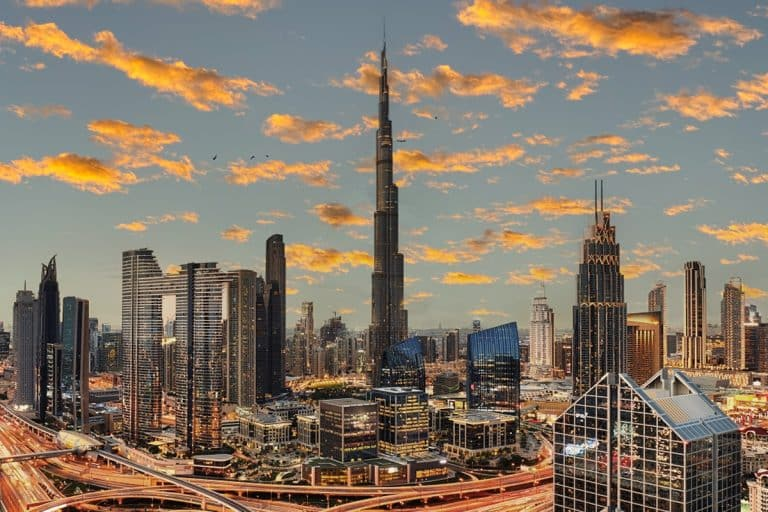
Traditionally, investing in Dubai’s real estate required large capital outlays, often making it exclusive to high-net-worth individuals. Tokenisation allows everyday investors to enter the market with much smaller investments, democratizing property ownership.
One of the biggest challenges in real estate is illiquidity. Buying a property is a long-term commitment, and selling it quickly can be difficult. Tokenisation changes that by enabling investors to trade property tokens on digital marketplaces, creating a more liquid market.
Blockchain ensures every transaction is secure, permanent, and tamper-proof. Investors can track ownership history, property valuations, and transaction records in real time. This level of transparency boosts confidence, especially for international investors wary of fraud or hidden fees.
Tokenisation allows multiple investors to own a piece of a property. This fractional ownership model spreads risk and allows more people to benefit from high-value assets. Investors can even diversify across multiple properties rather than putting all their money into a single building.
Property developers in Dubai are also reaping significant benefits from tokenisation. By selling digital tokens instead of whole units, developers can access a wider pool of investors and raise capital faster.
Additionally, tokenisation can streamline property management and sales processes. Smart contracts—self-executing contracts stored on the blockchain—automate payments, ownership transfers, and rental agreements. This reduces administrative costs and speeds up transactions.
Developers can also use tokenisation to offer innovative investment packages, such as revenue-sharing models or profit-linked tokens, attracting a new generation of tech-savvy investors.
Blockchain is inherently secure due to its decentralized nature. Every token transaction is recorded on a distributed ledger that cannot be altered retroactively. This makes it nearly impossible for fraudsters to manipulate ownership records.
Dubai authorities have also implemented regulatory frameworks to ensure compliance with local laws. Tokenised assets must adhere to property registration rules, anti-money laundering regulations, and investor protection standards. This balance of innovation and regulation makes Dubai a safe environment for blockchain-based property investment.

Dubai’s tokenisation model is attracting global attention. International investors see an opportunity to participate in the city’s booming real estate market without the logistical and financial challenges of traditional property investment.
Countries around the world are watching Dubai as a benchmark for blockchain adoption in real estate. The success of tokenised properties in Dubai could inspire similar initiatives globally, paving the way for a more accessible, transparent, and efficient real estate market.
While the potential of tokenisation is immense, there are challenges to navigate.
Although Dubai has supportive laws, the regulatory environment for digital assets is still evolving. Investors must stay informed about compliance requirements to avoid legal complications.
Tokenisation is a new concept, and widespread adoption takes time. Developers and investors need education and awareness to understand the benefits fully and trust the technology.
Blockchain is secure, but it is not immune to technical issues. Smart contract vulnerabilities or cyberattacks could potentially disrupt operations if not properly managed.
While tokenisation increases liquidity, pricing digital tokens accurately remains a challenge. Investors must carefully assess the underlying property value before making investments.
As we move further into 2026, tokenisation is set to become a mainstream approach to property investment in Dubai. With increasing adoption, more properties are expected to be tokenised, ranging from luxury apartments to commercial real estate.
The integration of blockchain with property investment is also likely to inspire additional innovations, such as AI-driven property valuation, automated rental income distribution, and global token trading platforms.
Dubai’s real estate market is evolving from a traditional investment model to a fully digital ecosystem where technology and property ownership coexist seamlessly. This transformation not only benefits investors but also strengthens Dubai’s position as a global hub for innovation and finance.
Dubai real estate tokenisation is more than just a trend; it is a revolution. By merging blockchain technology with property investment, Dubai has created a system that is transparent, secure, accessible, and efficient.
Investors, developers, and international participants now have opportunities that were unimaginable just a few years ago. Fractional ownership, liquidity, and smart contract automation are changing the way people invest in property, making Dubai a leader in this global movement.
The future of UAE property investment is digital, and tokenisation is leading the charge. For anyone looking to invest in Dubai real estate, understanding blockchain and tokenisation is no longer optional it is essential.
Do Follow Estate Magazine on Instagram
Read More:- Ras Al Khaimah Real Estate Booms with Unstoppable Investor Confidence 2025