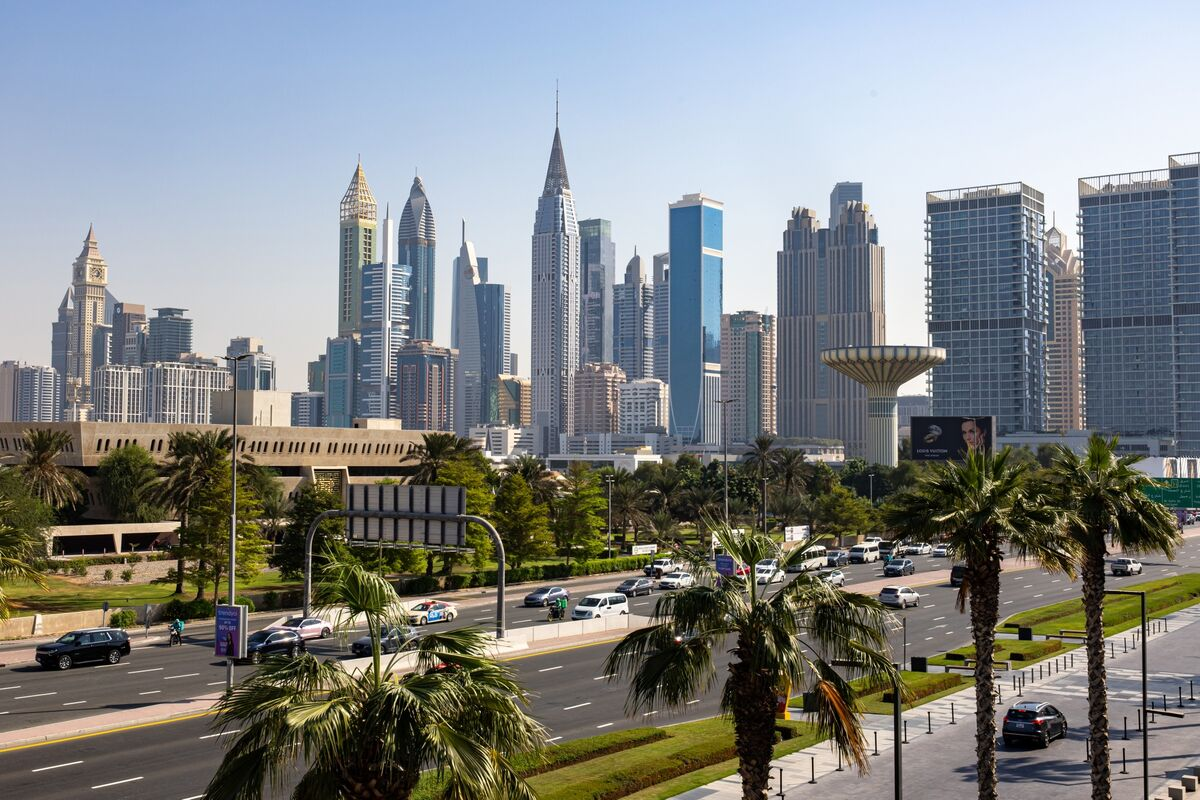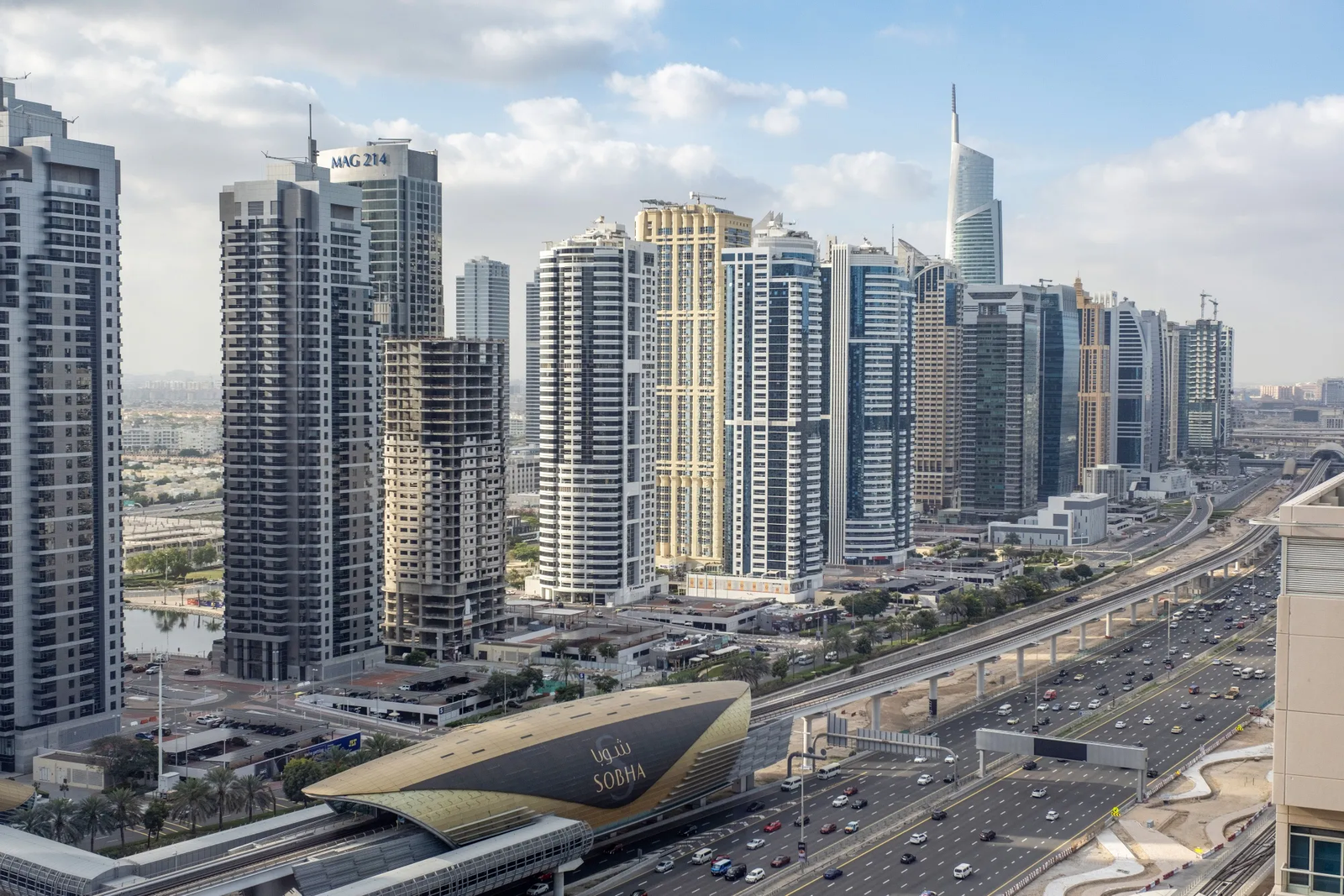
Dubai’s real estate market closed 2025 on a powerful high note, delivering one of its strongest performances in recent years. Property prices surged by an impressive 19.8 percent in December, outperforming many global cities and reinforcing Dubai’s position as a leading international property hub. For investors, homeowners, developers, and end-users alike, this growth was more than just a statistic. It reflected confidence, momentum, and the city’s ability to adapt and thrive in a changing global environment.
This surge was not driven by a single factor. Instead, it was the result of a unique combination of economic resilience, lifestyle demand, population growth, investor-friendly policies, and Dubai’s long-term vision. As the year ended, the market sent a clear message: Dubai real estate remains one of the most dynamic and rewarding sectors globally.
December 2025 became a defining month for Dubai’s property market. After steady growth throughout the year, prices accelerated sharply in the final quarter, culminating in the 19.8 percent annual rise. This growth was seen across multiple segments, including apartments, villas, townhouses, and luxury residences.
Unlike short-term spikes seen in speculative markets, Dubai’s price growth reflected genuine demand. Transactions remained healthy, inventory was absorbed steadily, and buyer interest showed no signs of slowing. This strong year-end performance added confidence going into 2026, with many industry experts viewing it as a foundation for sustained growth rather than a temporary peak.
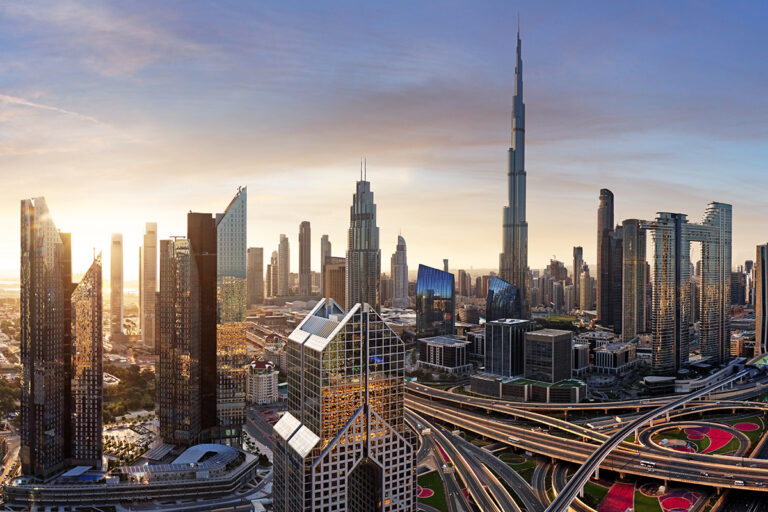
Dubai’s diversified economy played a major role in supporting the real estate sector. Growth in tourism, trade, aviation, technology, and financial services created jobs and attracted global talent. As more professionals relocated to the city, housing demand naturally increased.
The city’s reputation as a stable, business-friendly destination also encouraged long-term investment. Buyers felt confident committing capital to Dubai property, knowing the market was backed by a strong economic framework.
Dubai’s population continued to grow steadily throughout 2025. New residents included entrepreneurs, skilled professionals, digital nomads, and high-net-worth individuals seeking both opportunity and lifestyle.
This population growth translated directly into higher demand for homes. Unlike markets driven primarily by investors, Dubai saw a healthy balance between end-users and investors. Families looking for long-term residences played a key role in supporting price growth, especially in well-planned communities with schools, parks, and amenities.
One of the standout performers in December 2025 was the luxury and ultra-luxury segment. High-end villas, branded residences, and waterfront properties recorded some of the strongest price increases.
Global buyers were drawn to Dubai’s combination of luxury, security, and tax efficiency. Compared to other international cities, Dubai offered better value for money in the premium segment, making it especially attractive to overseas investors seeking lifestyle-driven investments.
Popular areas such as Downtown Dubai, Dubai Marina, Palm Jumeirah, and Jumeirah Golf Estates continued to perform strongly. These communities benefited from mature infrastructure, strong rental demand, and limited new supply.
Buyers in these areas were willing to pay a premium for location, views, and long-term value. The consistent performance of established neighborhoods added stability to the overall market.
At the same time, emerging areas also saw impressive growth. Master-planned communities offering modern layouts, green spaces, and competitive pricing attracted both first-time buyers and investors.
These areas benefited from improved connectivity, new retail developments, and lifestyle-focused planning. As buyers looked for future growth potential, emerging communities became an increasingly important part of Dubai’s real estate story.
One of the reasons Dubai continues to outperform global markets is its strong rental yields. Even with rising property prices, rental demand remained robust in 2025, allowing investors to enjoy healthy returns.
Short-term rentals, long-term leasing, and holiday homes all contributed to sustained rental income. This balance between capital appreciation and rental yield made Dubai an attractive option for both seasoned investors and newcomers.
Dubai’s real estate regulations played a crucial role in maintaining investor confidence. Clear laws, escrow account systems, and digital transaction platforms ensured transparency and reduced risk.
Buyers felt secure knowing that the market was well-regulated and supported by government oversight. This trust encouraged repeat investment and long-term commitment to the market.
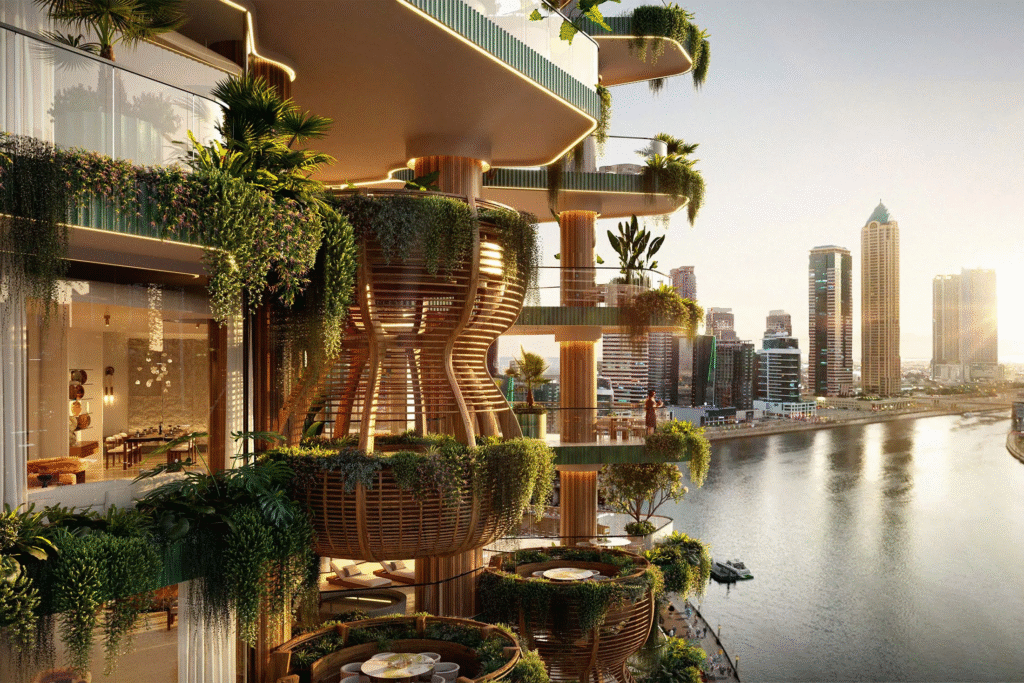
Dubai is no longer viewed solely as a place to work or invest. It has evolved into a city designed for living. World-class healthcare, international schools, entertainment options, and cultural attractions make it appealing to a wide demographic.
For many buyers, the decision to invest in Dubai property is as much about lifestyle as it is about returns. This emotional connection strengthens demand and supports price growth even during global uncertainty.
Dubai’s strategic location continues to be a major advantage. With easy access to Europe, Asia, and Africa, the city remains a global hub for business and travel.
This connectivity supports the real estate market by attracting multinational companies, international events, and global investors who want a base in the region.
While new projects were launched throughout 2025, supply remained relatively controlled compared to previous cycles. Developers focused on quality, design, and community planning rather than sheer volume.
This disciplined approach helped prevent oversupply and supported price appreciation. Buyers responded positively to projects that offered clear value, strong amenities, and realistic delivery timelines.
In certain segments, especially villas and family-oriented communities, demand outpaced supply. Limited availability in these categories contributed to price growth and faster transaction cycles.
This imbalance highlighted changing buyer preferences, with more people prioritizing space, privacy, and lifestyle-focused living.
Despite rising prices, buyers remained active. Many recognized that waiting could mean paying more later. This sense of urgency supported transaction volumes and reduced negotiation gaps.
First-time buyers, in particular, showed strong interest, driven by long-term residency plans and confidence in Dubai’s future.
For sellers, December 2025 presented an ideal opportunity. Strong demand allowed many to achieve favorable prices with shorter listing periods.
However, experienced sellers understood the importance of realistic pricing. Properties priced in line with market trends attracted serious buyers quickly, while overpriced listings faced longer selling times.
As Dubai enters 2026, the outlook for real estate remains positive. While the pace of growth may moderate compared to the exceptional 19.8 percent rise, fundamentals remain strong.
Market participants expect steady appreciation supported by population growth, economic diversification, and ongoing infrastructure development.
Future growth is likely to be influenced by sustainability initiatives and smart city development. Buyers are increasingly interested in energy-efficient homes, green communities, and technology-enabled living.
Developers who align with these preferences are expected to lead the next phase of market growth.
Dubai’s ability to outperform global property markets is rooted in its adaptability. The city learns from past cycles, implements reforms, and plans with a long-term vision.
The 19.8 percent price growth in December 2025 was not an accident. It was the result of years of strategic planning, investor-friendly policies, and a commitment to creating a world-class living environment.
Dubai’s real estate market ended 2025 with confidence, strength, and optimism. The 19.8 percent price surge in December was more than a year-end highlight. It was a reflection of trust in the city’s future.
For investors, homeowners, and industry professionals, this performance reinforced a key belief: Dubai real estate is not just resilient, it is forward-looking. As the city continues to evolve, its property market remains a powerful symbol of opportunity, growth, and long-term value.
Do Follow Estate Magazine on Instagram
Read More:- Sharjah Rental Training Drive Empowers 600 Real Estate Professionals Powerfully