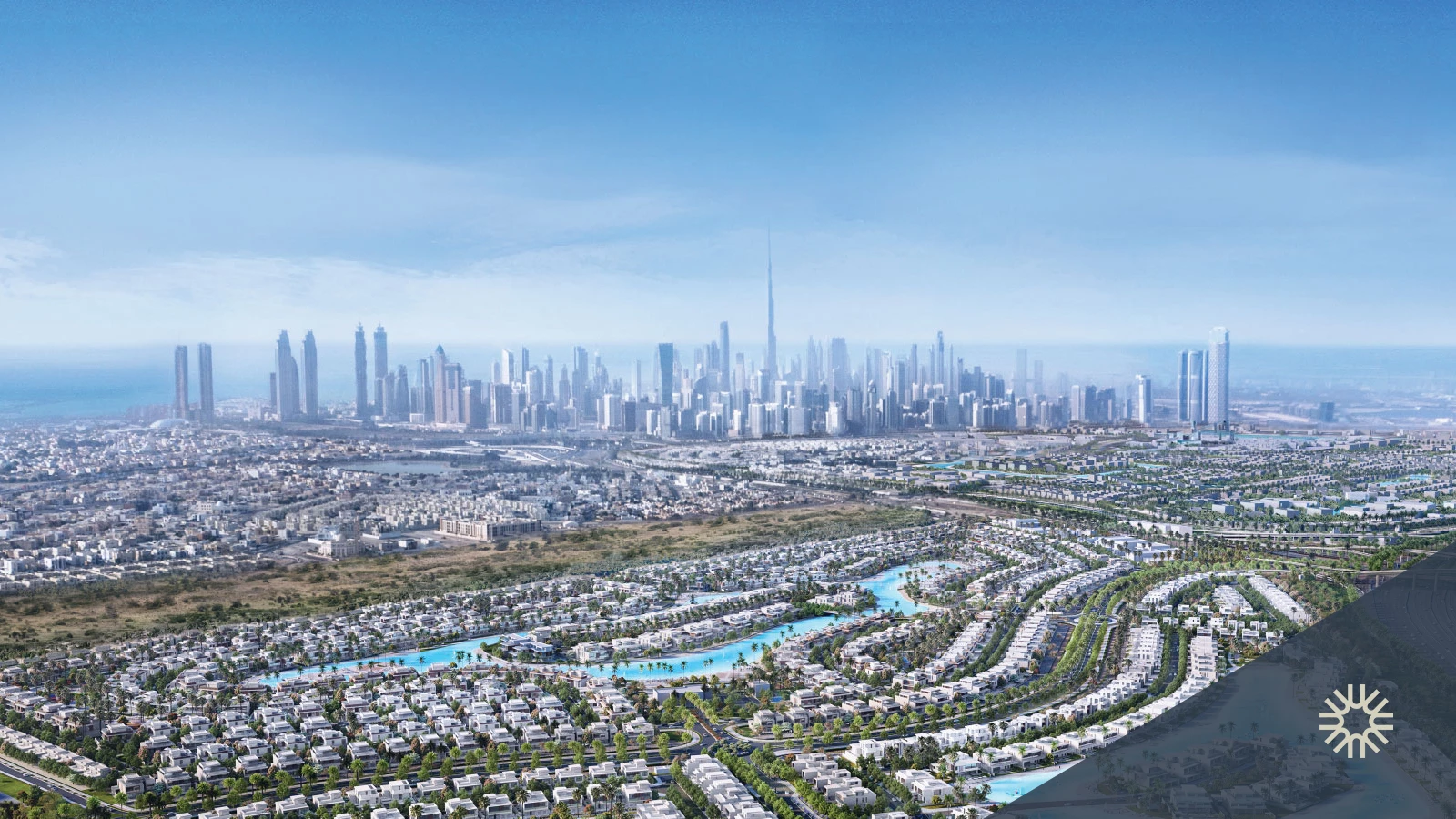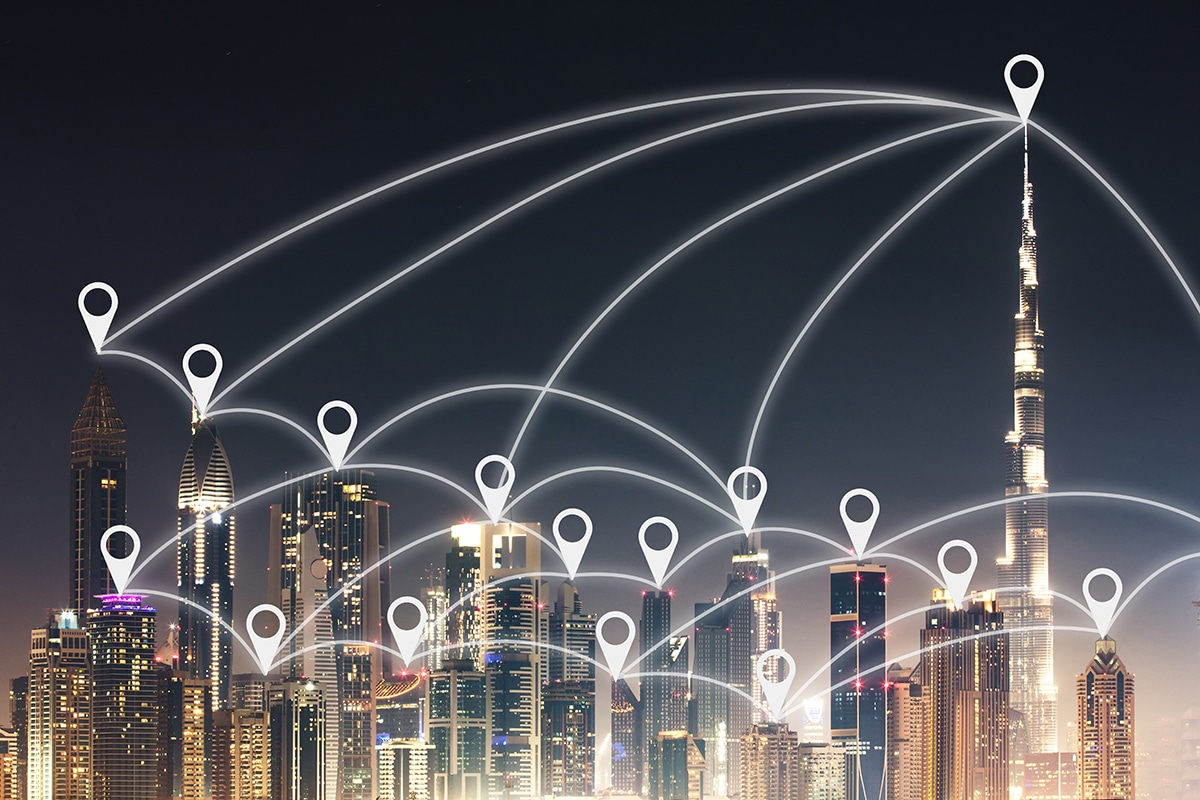
The UAE real estate market has always been known for its ambition, scale, and innovation. From record-breaking skyscrapers to master-planned communities rising from the desert, property in the UAE reflects a future-focused mindset. Today, that same mindset is driving a quieter but equally powerful transformation. Digital property platforms are changing how people search, evaluate, buy, sell, and invest in real estate across the country.
What once required countless site visits, phone calls, and paperwork can now be handled with a few taps on a smartphone. For buyers, sellers, agents, and developers alike, digital platforms have become more than convenience tools. They are shaping behavior, expectations, and decision-making across the entire property ecosystem.
Digital property platforms in the UAE did not emerge overnight. They grew alongside the country’s rapid urban development and its push toward becoming a global technology hub. As internet penetration increased and smartphone usage became universal, the real estate sector naturally followed the digital shift.
Early platforms focused on basic listings and classified-style advertisements. Over time, they evolved into intelligent ecosystems offering high-quality visuals, virtual tours, price analytics, mortgage calculators, and instant agent connectivity. Today, digital platforms act as the first point of contact between property and people.
For many buyers, especially younger investors and international clients, the entire property journey now begins online.
The UAE’s diverse, fast-moving population created the perfect environment for digital property platforms to thrive. With residents from around the world, high transaction volumes, and a strong expat investor base, the demand for speed, clarity, and trust was always high.
Digital platforms answered this demand by centralizing information and reducing friction. They offered transparency in a market that was once perceived as complex, especially for first-time buyers and overseas investors.
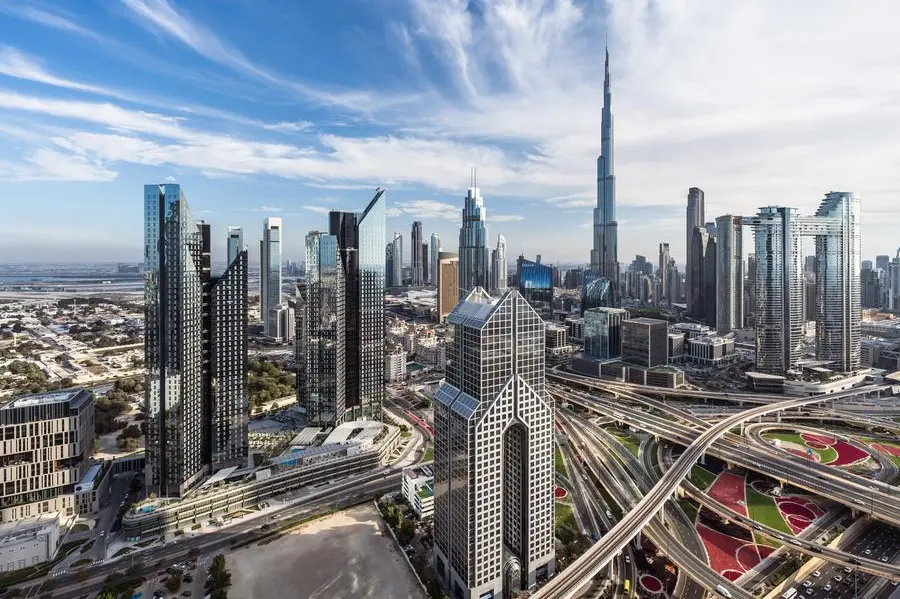
The way people search for property has changed dramatically. Gone are the days of driving from one location to another without clear expectations. Digital platforms now allow users to explore neighborhoods, compare prices, and filter properties based on lifestyle needs before stepping outside.
High-resolution images, video walkthroughs, drone shots, and 360-degree virtual tours have become standard features. These visuals help buyers emotionally connect with a property long before a physical visit.
For overseas investors, this visual access is critical. It allows them to assess properties remotely, saving time and building confidence in their investment decisions.
Modern platforms allow users to search based on budget, size, location, amenities, payment plans, and even proximity to schools or workplaces. This level of personalization reduces overwhelm and helps buyers focus only on relevant options.
Instead of browsing endlessly, users feel guided, understood, and supported.
One of the most powerful ways digital property platforms are shaping the UAE real estate market is through access to data. Information that was once limited to industry insiders is now available to everyone.
Many platforms now provide historical pricing, rental yields, and area performance insights. Buyers can see how a neighborhood has evolved and make informed decisions rather than emotional ones.
This transparency builds trust and encourages long-term investment thinking rather than short-term speculation.
Side-by-side comparisons allow buyers to evaluate multiple properties objectively. Size, price per square foot, amenities, and developer reputation can all be reviewed in one place.
As a result, buyers feel more in control of their decisions and less dependent on guesswork.
Digital platforms are not only changing buyer behavior. They are reshaping how sellers and developers position their properties in the market.
Instead of relying solely on traditional marketing channels, sellers can now reach a highly targeted audience instantly. Platforms use algorithms and user behavior to match listings with interested buyers.
This targeted exposure often leads to faster inquiries and more serious leads.
Developers in the UAE are increasingly using digital platforms to tell their brand story. Project pages now include lifestyle visuals, community concepts, construction updates, and payment plan details.
This storytelling approach helps buyers connect with the vision behind a project, not just its specifications.
Digital property platforms have not replaced real estate agents, but they have changed their role significantly. Agents today are expected to be advisors, not just intermediaries.
Since buyers can access listings and pricing data online, agents add value through market expertise, negotiation skills, and personalized guidance. Digital platforms handle the discovery stage, while agents focus on closing and relationship building.
This shift has raised professional standards and encouraged agents to specialize and upskill.
Integrated chat tools, instant callbacks, and CRM systems allow agents to respond quickly and manage clients efficiently. Buyers no longer feel ignored or delayed, improving overall satisfaction.
The UAE attracts investors from around the world, and digital property platforms play a key role in sustaining this interest. When information is clear and accessible, hesitation decreases.
International investors can explore projects, review legal frameworks, understand payment plans, and even reserve units online. This ease of access has expanded the investor base beyond traditional markets.
For many investors, digital platforms are the bridge between curiosity and commitment.
With access to rental data and resale trends, investors are more likely to view UAE real estate as a stable, long-term asset. Digital transparency encourages thoughtful investment rather than impulsive buying.
Digital property platforms are no longer just about property advertisements. They are becoming end-to-end ecosystems that support the entire transaction lifecycle.
Many platforms now allow users to book viewings, submit offers, and upload documents digitally. This reduces paperwork, speeds up transactions, and minimizes errors.
The buying process feels smoother and more aligned with modern expectations.
Mortgage pre-approvals, valuation tools, and legal guidance are increasingly integrated into platforms. Buyers can understand affordability and compliance before making commitments.
This integration reduces uncertainty and builds confidence at every stage.
Digital property platforms are also influencing how communities develop. Data collected from user searches and preferences helps developers and planners understand what people truly want.
When platforms show high demand for certain property types or locations, developers can respond more accurately. This alignment reduces oversupply and supports healthier market growth.
Communities become more livable, not just profitable.
Many platforms now highlight energy efficiency, smart home features, and sustainability credentials. This visibility encourages developers to adopt greener practices and educates buyers about long-term value.

While digital platforms bring many advantages, responsible growth remains important. Information accuracy, data privacy, and ethical marketing must be maintained to preserve trust.
The most successful platforms in the UAE are those that balance innovation with reliability, ensuring users feel safe and informed at every step.
As the UAE continues to position itself as a global leader in innovation, digital property platforms will play an even bigger role in shaping the real estate market. Artificial intelligence, predictive analytics, and immersive technologies are expected to further personalize and simplify the property journey.
For buyers, this means smarter decisions and better experiences. For sellers and developers, it means deeper insights and stronger engagement. For the market as a whole, it means greater transparency, efficiency, and resilience.
Digital property platforms are no longer just tools. They are shaping how people connect with property, turning transactions into experiences and data into confidence. In the UAE, where ambition meets innovation, this digital evolution feels not just natural, but inevitable.
Do Follow Estate Magazine on Instagram
Read More:- Dubai Property Boom Shocks Markets With Powerful 19.8% Price Surge