Dubai’s rental market has always evolved with the city’s growth, diversity, and modern lifestyle. As shared living becomes more common among professionals, students, and families, authorities are introducing practical measures to protect both tenants and property owners. One such important update requires Dubai tenants to enter the details of co-living occupants while registering their Ejari.
This move is not about creating hurdles. Instead, it focuses on transparency, safety, and fairness in shared accommodations. For many residents, co-living is a smart and affordable way to live in the city, and this regulation aims to make that experience smoother and more secure for everyone involved.
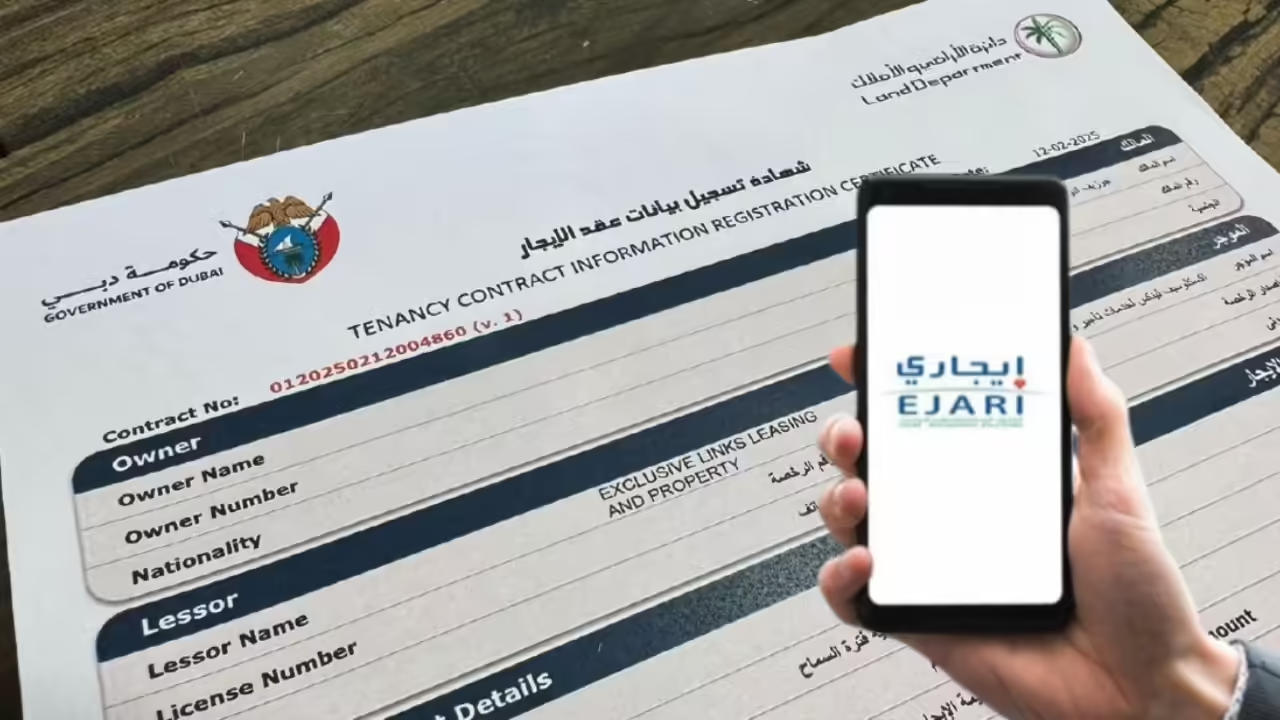
Ejari is Dubai’s official tenancy registration system that records rental contracts and protects the rights of tenants and landlords. Without Ejari, tenants often face difficulties accessing essential services like DEWA, internet connections, visa-related documentation, and even certain legal protections.
By ensuring accurate information on who occupies a property, Ejari strengthens its role as a reliable record of tenancy. The addition of co-living occupants’ details simply reflects how people actually live today.
Under the updated process, tenants who share their rented apartment or villa must now provide details of all co-living individuals during Ejari registration or renewal. This includes roommates, friends, or relatives living in the same property on a long-term basis.
The goal is to officially acknowledge shared living arrangements rather than ignoring them. This helps authorities maintain accurate housing records while supporting legal and organized co-living practices across Dubai.

Dubai’s population includes young professionals, entrepreneurs, freelancers, and students from around the world. Many prefer shared homes to manage costs and enjoy a sense of community. This update reflects that reality instead of working against it.
Knowing who resides in a property enhances community safety and reduces misuse of residential units. It also protects tenants from disputes related to overcrowding or unauthorized occupants.
Clear occupant records help landlords understand how their property is being used while ensuring tenants are not unfairly blamed for violations they didn’t commit.
Tenants must provide essential details such as full name, Emirates ID or passport details, and relationship to the primary tenant. This information remains confidential within official records.
It is important that the co-living arrangement does not violate the tenancy contract. Some landlords already allow shared occupancy, and this process simply formalizes it.
If a roommate moves out or a new person joins, tenants should update Ejari records accordingly to avoid complications later.
For people living together, this update brings clarity and reassurance. Everyone in the home is officially recognized, reducing uncertainty during inspections or disputes.
Registered occupants may find it easier to handle documentation, address verification, or official requirements linked to residency.
Unregistered occupants have previously been a gray area. This step helps tenants stay compliant and avoid penalties related to unauthorized sharing.
Landlords gain clarity on how many people are residing in their property without needing intrusive checks. This transparency builds trust between both parties.
The Ejari update helps prevent illegal subletting or overcrowding, preserving the quality and value of the property.
When occupants are registered, tenants are more likely to follow community rules and maintain the property responsibly.
Yes, co-living remains legal in Dubai as long as it complies with local regulations and the tenancy contract. The new Ejari requirement does not ban shared living. Instead, it provides a structured and legal framework for it.
Tenants should always ensure that co-living is permitted by their landlord and building management. Transparency is now more important than ever.
When registering a new tenancy, tenants can include co-living details at the time of submission. This avoids future corrections or delays.
Renewals are a perfect opportunity to update occupant information if there have been changes during the lease period.
Ejari updates can be completed through approved platforms or service centers, making the process accessible and straightforward.

In most cases, registering co-living occupants does not automatically increase rent. Rental terms depend on the tenancy contract and RERA guidelines, not the number of occupants alone.
Ejari records are part of an official government system designed to protect personal information and use it only for regulatory purposes.
Short-term guests typically do not fall under long-term co-living requirements. However, extended stays should be clarified to avoid misunderstandings.
Dubai continues to position itself as a city that balances innovation with regulation. By acknowledging modern living trends like co-living, authorities demonstrate flexibility while maintaining order.
This update aligns with Dubai’s broader vision of smart governance, digital records, and resident-friendly policies that adapt to changing lifestyles.
Always inform your landlord about co-living arrangements and ensure written approval if required.
Maintain updated IDs and personal details of all occupants to simplify Ejari updates.
Understanding clauses related to occupancy can prevent disputes and unexpected issues.
This Ejari update is more than a technical change. It reflects a shift toward openness and realism in how people live and share spaces in Dubai. For tenants, it offers protection and clarity. For landlords, it ensures transparency. For the city, it strengthens housing data and community standards.
As Dubai’s rental market continues to mature, such policies help create a balanced ecosystem where flexibility and compliance go hand in hand.
Dubai’s decision to require co-living occupants’ details in Ejari is a positive and practical step forward. It recognizes shared living as a legitimate lifestyle choice while ensuring legal clarity and community safety.
For tenants, this change is an opportunity to live confidently and compliantly. For landlords, it brings peace of mind. And for Dubai, it reinforces its reputation as a city that evolves with its people, listens to real needs, and builds systems that support modern urban life.
Do Follow Estate Magazine on Instagram
Read More:- Dubai Renters Alert: Master Ejari Rules and Protect Your Rights 2026