Handling money is something we all do daily, but have you ever wondered what happens if your UAE dirham note gets torn, damaged, or worn out? While most people might simply throw it away or hesitate to use it, the UAE has clear rules to protect your money and ensure its value remains intact. Understanding these rules is essential for residents, tourists, and anyone who deals with cash regularly.
In this article, we’ll break down everything you need to know about damaged UAE currency notes, how to exchange them, and tips to avoid losing money unnecessarily.
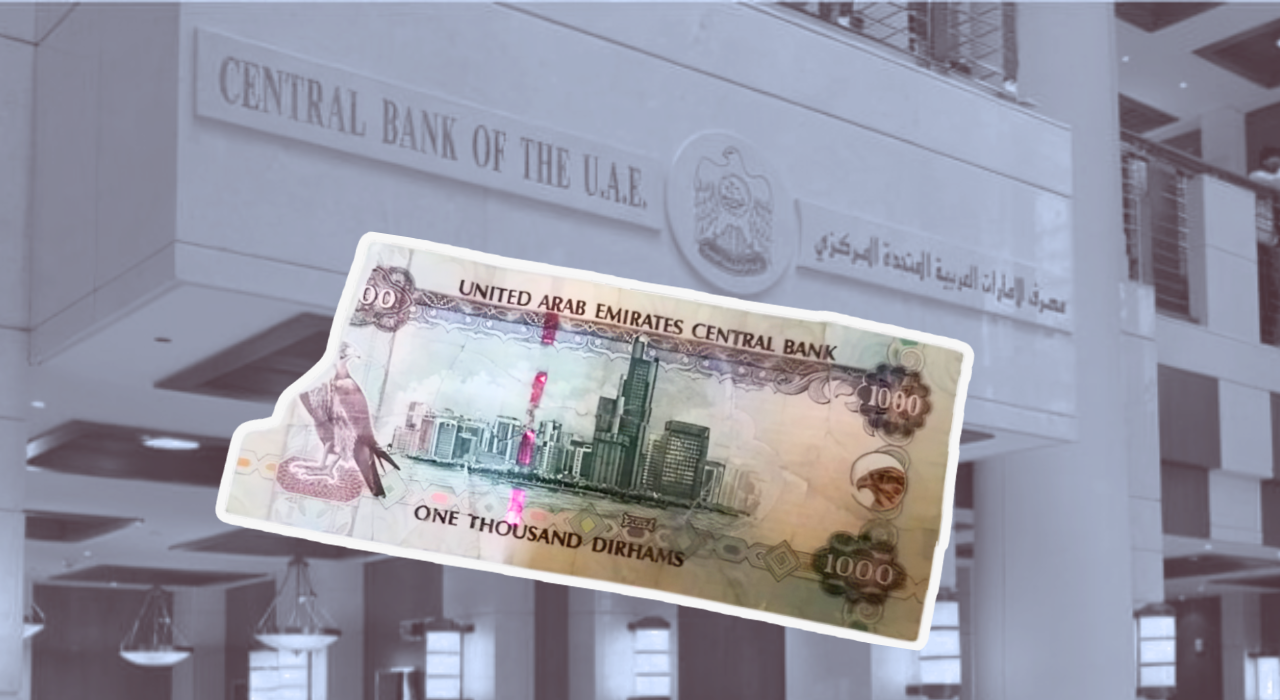
Before we dive into damaged notes, it’s important to understand the currency itself. The UAE dirham, abbreviated as AED, is the official currency used in all Emirates. Banknotes come in denominations of 5, 10, 20, 50, 100, 200, 500, and 1000 dirhams, each with distinct colors and designs. Coins are also in circulation but are less commonly used for larger transactions.
The Central Bank of the UAE governs all rules related to currency, including issuance, exchange, and replacement of damaged notes. This ensures the money in circulation is authentic, safe, and usable for everyone.
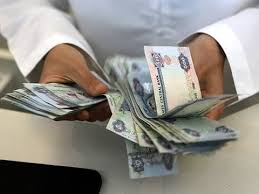
Not all minor imperfections make a banknote invalid. UAE authorities have specific guidelines to determine whether a note is still usable or needs to be replaced. Here are common types of damage and how they are treated:
Notes with small creases, folds, or slight tears that don’t remove parts of the note are usually still valid for use. Shops, banks, and businesses generally accept them without issue.
If a note has a large tear or is missing part of its paper, it may not be accepted in regular transactions. The value is only considered valid if a significant portion of the note remains intact. The UAE Central Bank defines clear thresholds for this. Generally, if more than 50% of the note is intact and recognizable, it can often be exchanged.
Notes damaged by fire, water, or chemical exposure can lose integrity, making them unfit for circulation. However, banks can still assess them for exchange based on how much of the note remains readable and identifiable.
It’s important to differentiate between damaged and tampered notes. Deliberately defaced or counterfeit notes are illegal and cannot be exchanged. If you unknowingly receive such a note, it’s best to report it to the authorities rather than attempting to use it.
If your note is torn or damaged beyond minor wear and tear, the UAE provides a straightforward process to recover its value. Here’s how you can do it:
Most major banks in the UAE, including Emirates NBD, Abu Dhabi Commercial Bank, and First Abu Dhabi Bank, handle damaged notes. Make sure to carry the note in its current condition; do not attempt to tape it together, as banks may reject notes that are tampered with.
Bank staff will examine the note to determine its authenticity and how much of it remains. They consider factors such as the size of missing parts, security features, and overall integrity.
If the note is deemed valid, the bank will exchange it for a new one or deposit its value into your account. In most cases, you receive the full face value if the damage is accidental and the majority of the note is intact. Partial value may be given if the note is severely damaged.
For very old or severely damaged notes that banks cannot replace immediately, the Central Bank of the UAE may handle the exchange. Banks usually advise customers on how to submit these notes directly to the central authority for full assessment.
Preventing damage to your money is always easier than replacing it. Here are some practical tips:
Keep your cash in wallets, envelopes, or money clips to prevent accidental tears, folds, or spills. Avoid stuffing large amounts into pockets or bags without protection.
Water damage is one of the most common causes of invalid notes. Keep cash away from liquids, and avoid leaving it in hot cars or near heat sources that can warp or discolor the paper.
Frequent folding, scratching, or crumpling can gradually weaken notes. Be mindful when using cash daily, especially larger denominations that are more valuable.
If you notice a note is starting to tear, exchange it sooner rather than later. Waiting until it’s too damaged could result in partial value or rejection.
Many people have misconceptions about what happens to a damaged note in the UAE. Let’s clarify a few common myths:
This is false. As long as a significant portion of the note remains intact and it’s authentic, banks can exchange it for its full value.
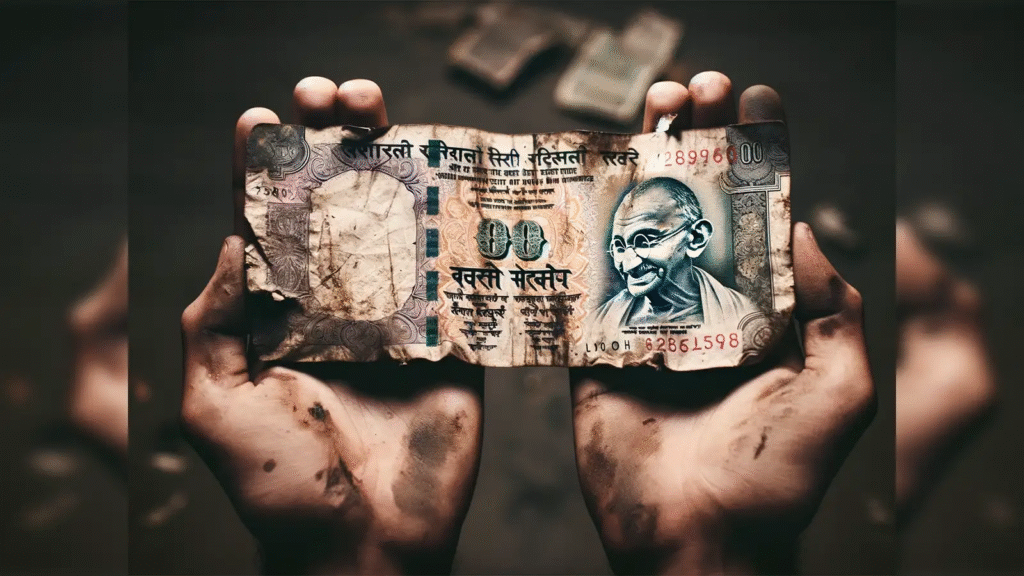
Minor wear and tear, such as creases or small tears, usually do not prevent a note from being used in daily transactions. Businesses generally accept slightly worn notes without hesitation.
For most damaged notes, visiting a commercial bank is sufficient. The Central Bank is only involved in exceptional cases, such as extremely old, rare, or severely damaged notes.
Do not tape torn notes in an attempt to “fix” them. This can make them ineligible for exchange. Present the note as it is to ensure proper assessment.
The UAE has invested heavily in modern currency design and security. Each note includes advanced features such as watermarks, holographic strips, and color-shifting inks to prevent counterfeiting and maintain public trust. When a note is damaged, these security features are key to determining authenticity.
The Central Bank’s rules around damaged notes ensure fairness. By allowing exchanges for torn or partially missing notes, the system protects consumers and businesses alike.
To give you a clearer picture, here are some situations UAE residents and visitors often face:
Ali accidentally tears his 100 AED note while handling cash. More than half of the note remains intact. He takes it to his local bank, and they exchange it for a new 100 AED note on the spot.
Fatima finds her 500 AED note has faded due to sun exposure. The bank examines it, verifies the security features, and deposits the full value into her account.
Ahmed’s wallet is caught in heavy rain, soaking his 50 AED note. The note is still mostly intact, so the bank exchanges it without hesitation, showing that accidental damage is treated fairly.
Money is more than just paper; it represents the value of your hard work. Losing money due to a damaged note can be stressful, but the UAE has established a fair and transparent system to protect you. Whether it’s a torn, faded, or partially missing note, you can recover its full or partial value through proper channels.
Being aware of these rules, handling cash carefully, and taking proactive steps can save you unnecessary worry. Remember, if a note is damaged, do not throw it away—visit your nearest bank, and your money will be safe and valued.
Understanding these simple rules ensures you never lose money due to accidental damage. The UAE’s system is designed to be fair, reliable, and convenient for residents and visitors alike.
Do Follow Estate Magazine on Instagram
Read More:- Lyvia by Palace Launches at 2.4M AED – Luxury Redefined Today