Travel between Dubai and Ajman has always been a challenge for daily commuters, tourists, and business travelers alike. Heavy traffic, limited parking, and long commute times have been the norm. But recent infrastructure initiatives are changing the way people experience this vital corridor. The latest projects aim not only to reduce travel time but also to enhance convenience by providing modern parking solutions, creating a more seamless commuting experience.
Urban planners and government authorities are focusing on a combination of smart road networks, expanded parking facilities, and technological integration to transform the Dubai-Ajman route. These projects are designed with the commuter in mind, keeping in focus the importance of safety, accessibility, and time efficiency.
One of the most significant issues for travelers between Dubai and Ajman is the time spent on congested roads. With rapid urban growth, daily commutes can often stretch beyond expectations, leaving residents frustrated.
The new infrastructure projects are strategically planned to minimize bottlenecks and optimize traffic flow. Expanded lanes, intelligent traffic management systems, and alternate routes will collectively reduce travel time, making the journey smoother and more predictable.
For office-goers, students, and frequent travelers, this means more time for productivity, family, or leisure. The reduction in travel time is not just a convenience; it’s an opportunity to improve quality of life by cutting down the stress and fatigue associated with long commutes.
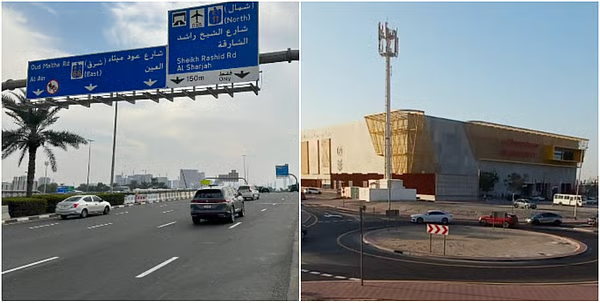
The construction of modern highways equipped with smart technology is a crucial part of this initiative. Sensors, real-time traffic updates, and automated signaling systems are being integrated into key routes.
These smart roads allow for dynamic traffic management, automatically adjusting to current traffic conditions to prevent jams. By anticipating congestion points and optimizing signal timing, commuters can enjoy a more reliable travel experience.
Additionally, the improved road design ensures better safety standards, reducing the chances of accidents that often exacerbate delays. This combination of safety and efficiency is a win-win for both daily commuters and occasional travelers.
Another pressing challenge has been the lack of adequate parking facilities. Crowded streets and limited parking spaces often result in frustration, missed appointments, and wasted time. The new projects aim to address this by introducing strategically located parking spaces that are accessible, safe, and modern.
By increasing parking availability along key commercial and residential hubs, commuters can now plan their trips without worrying about finding a spot. This improvement is particularly beneficial for those who travel between Dubai and Ajman for work or leisure.
These parking facilities are not just basic spaces; they come with integrated solutions like automated ticketing, real-time occupancy updates, and security surveillance. Mobile apps linked to these parking systems allow drivers to check availability and reserve spots in advance, minimizing stress and wait times.
This integration of technology ensures a smoother experience for everyone, whether they are short-term visitors or long-term commuters. With organized parking, cities can also reduce illegal parking, which often contributes to traffic congestion.
Improved travel infrastructure does more than just save time; it strengthens economic and social ties between Dubai and Ajman. Efficient commuting options encourage more people to explore business, tourism, and social opportunities along the route.
For businesses, reduced travel time means faster delivery of goods and services. Employees can reach offices more comfortably, improving productivity and job satisfaction. For residents, easy access between the two cities opens up new avenues for shopping, dining, and leisure activities.
The new projects also influence real estate growth along the Dubai-Ajman corridor. Areas previously considered less accessible are now attracting developers and investors. Residential communities benefit from enhanced connectivity, while commercial hubs gain from increased footfall.
This urban development, supported by modern transportation and parking facilities, contributes to a more balanced and sustainable growth model for both cities. Residents enjoy improved amenities, while the local economy thrives from increased activity.
Efficient traffic flow and organized parking are not only a convenience but also an environmental necessity. Reduced idling time on congested roads decreases fuel consumption and lowers carbon emissions.
Smart traffic systems and planned road expansions contribute to smoother vehicle movement, reducing stop-and-go patterns that typically lead to higher pollution levels. This makes daily commuting healthier for residents and aligns with broader sustainability goals.
Alongside road expansions, authorities are also encouraging alternative and sustainable transport options. Electric vehicle-friendly parking spots and charging stations are being integrated, supporting the shift towards greener travel. Public transportation links between Dubai and Ajman are being strengthened, complementing road improvements and reducing reliance on private vehicles.
By combining smart infrastructure with eco-friendly options, these projects aim to create a future-ready transportation ecosystem that benefits both commuters and the environment.
A unique aspect of these initiatives is their focus on the community. Public consultations and feedback mechanisms are being used to ensure that the projects meet actual commuter needs.
The planning process considers the experiences of daily travelers, business owners, and local residents. By addressing common pain points like traffic jams, parking scarcity, and safety concerns, authorities are building a more inclusive and responsive transportation network.
Safety is a key priority in all aspects of these developments. Improved lighting, pedestrian crossings, and emergency response systems are integral parts of the design. Accessible parking and roadways cater to people with mobility challenges, ensuring that the benefits of the projects are available to everyone.
This community-centric approach fosters a sense of trust and satisfaction among residents, making them feel involved and valued in the development process.
Looking ahead, the Dubai-Ajman corridor is set to become a model for urban commuting efficiency. With the completion of ongoing projects, the journey between the two cities will be faster, safer, and more comfortable.
The integration of technology, organized parking, and smart planning demonstrates a forward-thinking approach to urban mobility. Residents can look forward to less stressful commutes, greater convenience, and a higher quality of life.
Authorities are also encouraging public participation in shaping the future of transportation. Apps and feedback platforms allow residents to report issues, suggest improvements, and track progress in real-time. This ensures that the infrastructure continues to evolve in line with commuter needs and emerging urban trends.
By making travel more efficient and user-friendly, the Dubai-Ajman projects serve as an example of how cities can innovate to meet modern demands while keeping citizens at the heart of planning.
The new projects connecting Dubai and Ajman represent more than just roads and parking spaces. They symbolize a commitment to improving daily life, fostering economic growth, and building sustainable cities.
For residents and commuters, these initiatives offer tangible benefits: reduced travel time, organized parking, safer roads, and a more relaxed journey. For businesses, they create opportunities for growth, connectivity, and expansion.
In the long run, this transformation will redefine how people move between Dubai and Ajman, making the journey as enjoyable as the destination itself. With strategic planning, technological integration, and a community-focused approach, the future of commuting is brighter, faster, and more convenient than ever before.
Do Follow Estate Magazine on Instagram
Read More:- UAE’s EIH and Guggenheim Launch Game-Changing Creative Investment Fund 2026