

For millions of expatriates living and working in the UAE, Weak Currencies currency movements are not just numbers flashing on financial screens. They directly shape family budgets, savings plans, property investments, and long-term dreams back home. Over recent months, the Indian rupee, Pakistani rupee, and Philippine peso have remained under pressure against the UAE dirham, leaving expats with a familiar but difficult question: should they remit money now or wait for a recovery?
This ongoing weakness has created mixed emotions. On one hand, sending money home now means more local currency for families. On the other, there is always the hope that waiting could bring even better value. Understanding what is happening, why it matters, and how to make calm, informed decisions can help expats turn uncertainty into confidence.
Currency weakness rarely comes from a single cause. It is usually a result of global pressures combined with domestic challenges in home countries.
High global interest rates, a strong US dollar, and cautious international investors continue to put pressure on emerging market currencies. Since the UAE dirham is pegged to the US dollar, any strengthening of the dollar automatically makes Asian currencies look weaker in comparison. This dynamic has been particularly challenging for countries that rely heavily on imports, remittances, and external borrowing.
In India, rising import bills, fiscal balancing, and global trade uncertainties have weighed on the rupee. Pakistan continues to face inflation, external debt obligations, and economic restructuring challenges, which have kept its currency fragile. The Philippines, while relatively stable, has still seen the peso struggle due to trade deficits and global capital outflows.
For expats, these macroeconomic issues translate into daily financial decisions, especially when supporting families or repaying loans back home.
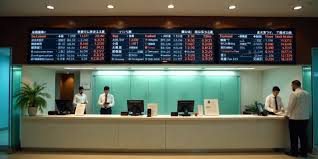
Living in the UAE provides income stability for many expatriates, but the real value of that income often depends on exchange rates.
When home currencies are weak, every dirham sent converts into more rupees or pesos. For families relying on monthly remittances, this can be a relief. School fees, rent, medical expenses, and household costs become easier to manage when more local currency is available.
While regular remitters may benefit, those saving for long-term goals such as retirement, property purchases, or business investments may feel uneasy. Currency volatility adds uncertainty to planning, especially if future expenses are tied to home-country currencies.
Beyond numbers, currency weakness brings emotional stress. Many expats feel torn between sending more money now or holding back in the hope of better rates later. This constant decision-making can create anxiety, particularly for those supporting extended families.
There is no one-size-fits-all answer to the remittance question. The right decision depends on personal circumstances, financial goals, and risk tolerance.
For expats with regular financial commitments back home, remitting now often makes sense. The current weakness means families receive more value immediately, helping them manage rising living costs.
Those repaying loans, funding education, or covering medical expenses may find it safer to send money consistently rather than trying to time the market. Stability and predictability often outweigh the potential gains of waiting.
Some expats, especially those with surplus savings and no urgent obligations, may choose to wait. If there is a belief that currencies could recover modestly in the medium term, holding funds in dirhams could preserve value.
However, waiting requires patience and acceptance of risk. Currency recovery is never guaranteed, and prolonged weakness can continue longer than expected.
Rather than choosing between extremes, many expats are adopting balanced approaches to manage currency risk more effectively.
One practical strategy is to split remittances. Sending a portion of funds regularly while holding back some savings can reduce stress. This approach ensures family needs are met while still leaving room to benefit from any future currency improvement.
Exchange rates matter, but they should not overshadow financial goals. If the purpose of remittance is clear, such as education or debt repayment, timely action is often more important than chasing marginal rate improvements.
Maintaining an emergency fund in dirhams can provide peace of mind. This buffer protects against sudden expenses or unexpected currency swings, allowing expats to make calmer decisions.
Currency markets are influenced by news, speculation, and sentiment. Making decisions based on fear or rumors can lead to regret. A steady, planned approach usually delivers better outcomes over time.
For families in India, Pakistan, and the Philippines, remittances are a vital lifeline. Weak currencies can ease short-term pressures but also highlight deeper economic challenges.
Inflation remains a concern in many regions. Even when remittances increase in local currency terms, rising prices can quickly absorb the gains. Families may feel temporary relief but continue to face financial strain.
Prolonged currency weakness often increases reliance on overseas earners. This can add emotional pressure on expats, who may feel responsible for bridging economic gaps back home.
On a positive note, weak currencies can make local investments more attractive. Property, small businesses, or education investments may appear more affordable when funded with dirhams, offering long-term benefits if managed wisely.

Despite global volatility, the UAE remains a strong base for expatriates. Stable employment opportunities, a strong currency peg, and a mature financial ecosystem provide a sense of security.
For many expats, salaries in the UAE continue to offer stability compared to home markets. This allows for better financial planning, even when exchange rates fluctuate.
From digital remittance platforms to flexible savings options, expats have more tools than ever to manage money efficiently. Using these tools wisely can reduce costs and improve overall financial outcomes.
While predicting currency movements is difficult, most experts agree that volatility is likely to continue. Global economic shifts, geopolitical developments, and domestic reforms in home countries will all play a role.
For expats, the key is not to wait for the perfect moment but to build resilient financial habits. Consistency, clarity of goals, and emotional balance matter more than short-term rate movements.
At its heart, the remit-or-hold question is deeply personal. It reflects love for family, responsibility, ambition, and hope for a better future. Numbers matter, but so do peace of mind and stability.
By understanding the bigger picture and choosing strategies aligned with personal needs, UAE expats can navigate currency weakness with confidence. Whether remitting now, holding patiently, or doing a mix of both, the most powerful decision is one made with clarity rather than fear.
Do Follow Estate Magazine on Instagram
Read More:- Dubai Property Market Shines With Massive 20% Deal Growth