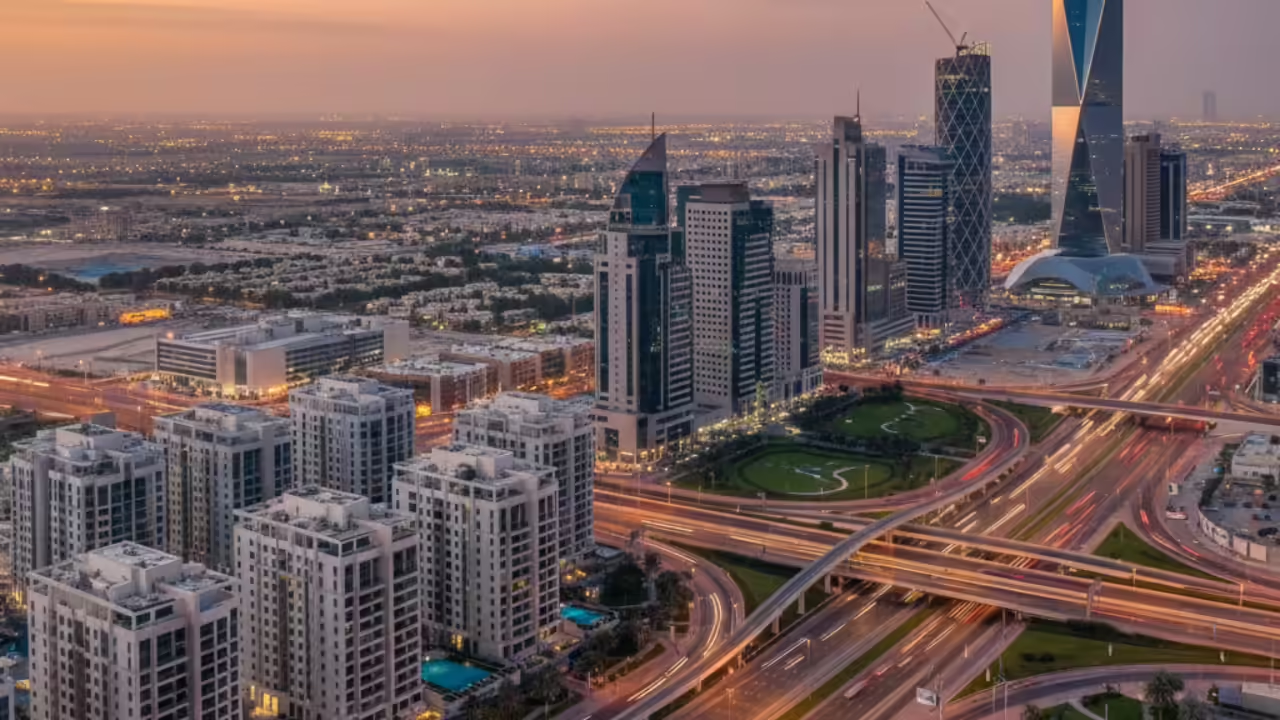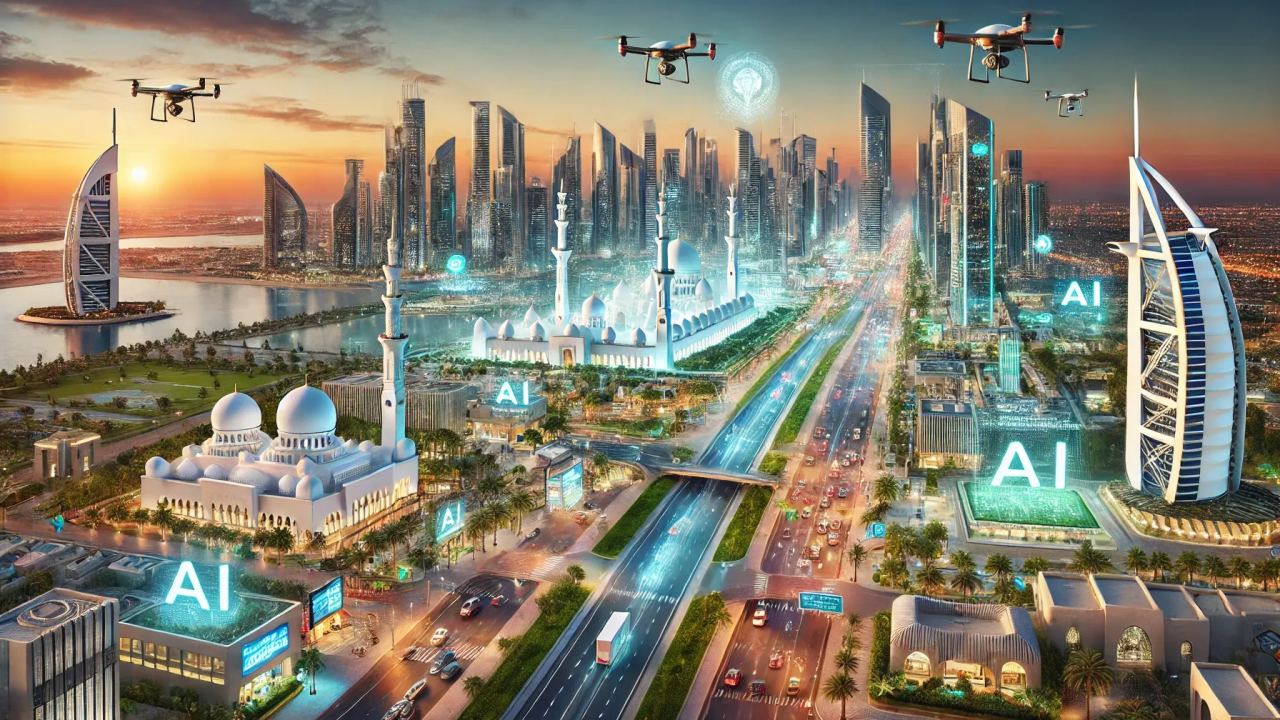
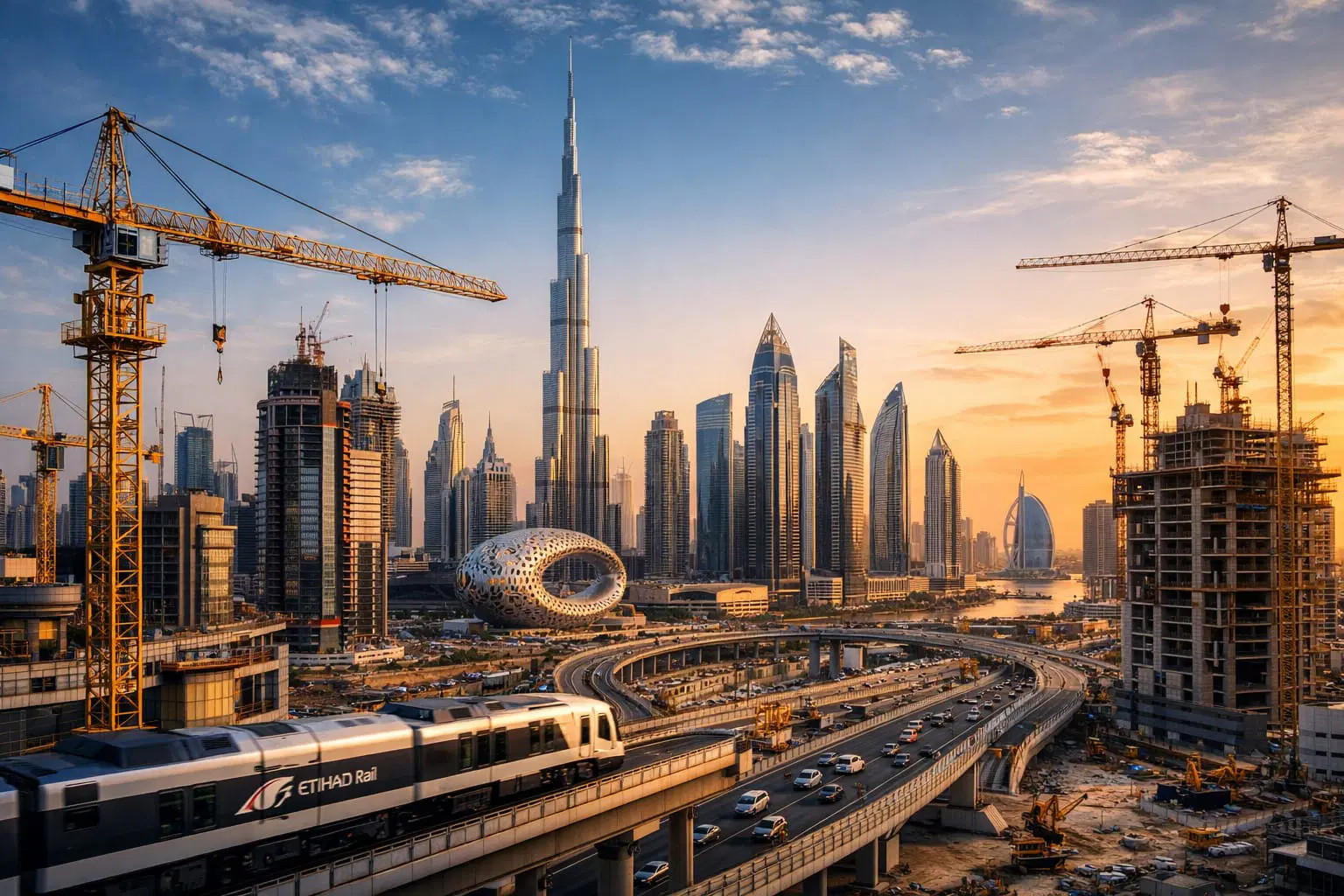
Dubai has always been a city that looks ahead. From bold skylines to futuristic mobility and sustainability goals, the emirate has built its identity around progress. Now, the possibility of support from the European Bank for Reconstruction and Development (EBRD) for renewable energy and rail projects could mark another powerful chapter in Dubai’s growth story. If materialised, this backing would not just be about funding infrastructure, but about shaping how people live, move, and experience the city in the decades ahead.
The EBRD is known globally for supporting projects that strengthen economies, promote sustainability, and improve quality of life. Its potential involvement in Dubai sends a strong signal of confidence in the emirate’s long-term vision. For investors, businesses, and residents, this interest reinforces the idea that Dubai’s push toward clean energy and modern transport is not just ambitious, but also credible and globally aligned.
Unlike short-term development funding, EBRD-backed projects typically focus on long-lasting impact. That means cleaner power, smarter transport systems, and infrastructure designed to serve future generations rather than just today’s needs.
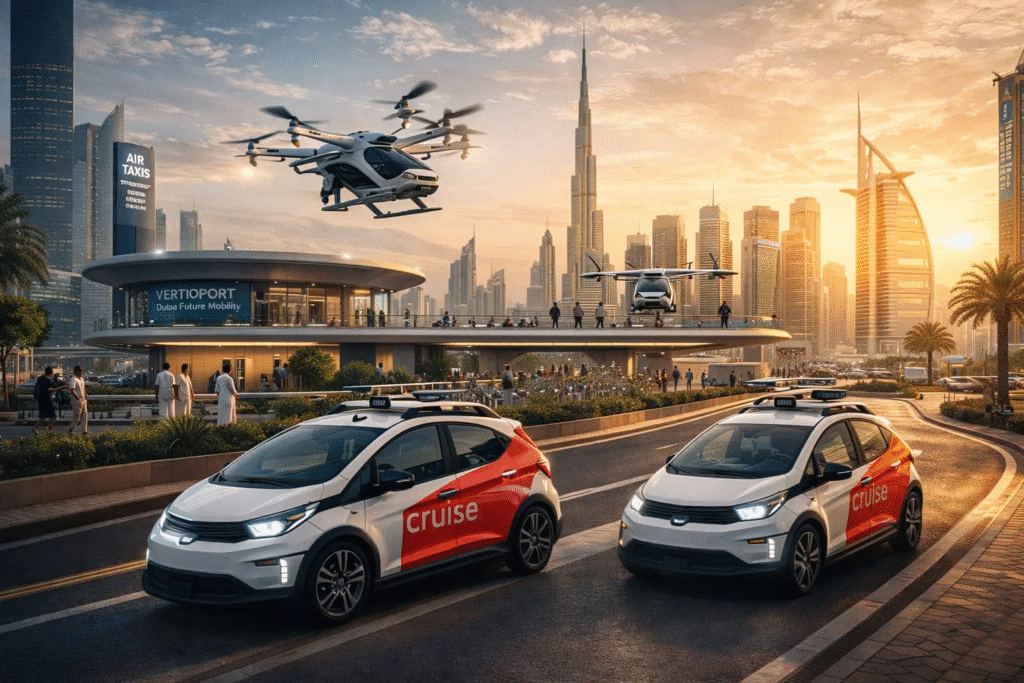
Dubai has been steadily positioning itself as a regional leader in renewable energy. Solar parks, clean energy strategies, and net-zero ambitions are already part of the public conversation. Potential EBRD backing could accelerate this journey by unlocking capital, expertise, and international best practices.
Renewable projects in Dubai are often large in scale and long in horizon. Solar energy, in particular, plays a central role in reducing dependence on conventional fuels while keeping energy costs stable in the long run. With EBRD’s involvement, these projects could benefit from enhanced financing structures, risk management frameworks, and governance standards.
For everyday residents, this means more reliable clean power and a city that grows without compromising environmental responsibility.
Beyond funding, EBRD brings experience from renewable projects across multiple regions. This knowledge can help Dubai optimise project execution, integrate new technologies, and ensure sustainability goals are met efficiently. It also helps align Dubai’s energy transition with international climate commitments, strengthening its global reputation as a future-ready city.
While Dubai is already known for its modern transport systems, rail infrastructure remains a critical area for future expansion. Population growth, tourism, and economic activity all increase pressure on existing roads and public transport. Rail projects offer a smart solution by reducing congestion, lowering emissions, and improving connectivity.
Potential EBRD-backed rail projects could focus on expanding metro lines, improving freight corridors, or linking key residential and commercial zones. Better rail connectivity directly impacts daily life, reducing travel time and making commuting more predictable and comfortable.
For professionals, students, and families, efficient rail systems translate into more time saved and less stress in daily routines.
Rail systems are among the most environmentally friendly transport options in urban settings. By encouraging people to shift from private vehicles to public transport, Dubai can significantly cut carbon emissions. EBRD’s support could help ensure these projects are designed with sustainability, accessibility, and long-term efficiency at their core.
The potential backing of renewable and rail projects goes far beyond physical assets. Such investments can stimulate the broader economy, creating jobs, attracting foreign capital, and strengthening confidence in Dubai’s development roadmap.
Large-scale infrastructure projects require a diverse workforce, from engineers and planners to technicians and support staff. Over time, this leads to skill development and knowledge transfer, empowering local talent and creating new career pathways in clean energy and transport sectors.
When a globally respected institution like EBRD shows interest, it reassures private investors and developers. This can trigger additional investment, partnerships, and innovation across related industries such as real estate, logistics, and technology.
Infrastructure has always been closely linked to real estate growth in Dubai. Improved rail connectivity and sustainable energy systems can enhance the value of nearby residential and commercial developments.
Rail-backed developments often evolve into vibrant, well-connected communities. Homes near stations become more attractive, businesses benefit from higher footfall, and overall urban planning becomes more people-centric.
Renewable energy integration adds a sustainability premium to real estate projects. Buyers and tenants increasingly prefer properties aligned with environmental values, making green infrastructure a key driver of long-term demand.
Dubai’s leadership has consistently emphasised innovation, sustainability, and global competitiveness. Potential EBRD backing fits naturally into this narrative, supporting strategies focused on clean energy, smart mobility, and economic resilience.
Renewable and rail projects directly contribute to emission reduction targets. With EBRD’s structured approach, Dubai can ensure that these projects deliver measurable environmental benefits while remaining financially viable.
Collaboration with international financial institutions also strengthens Dubai’s position as a global hub open to partnerships and innovation. It reflects a city that is not just building for itself, but contributing to global sustainability efforts.
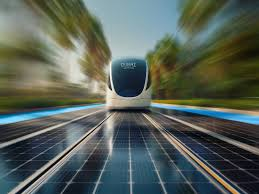
For residents, the impact is tangible. Cleaner air, better transport options, and a more sustainable city enhance everyday living. For businesses, improved infrastructure lowers operational costs, improves logistics, and supports growth.
Reliable rail systems reduce reliance on cars, making the city quieter, cleaner, and more accessible. Renewable energy ensures stable power supply while supporting environmental well-being.
From construction and engineering to technology and services, EBRD-backed projects can open doors across multiple industries. Entrepreneurs and companies aligned with sustainability and mobility stand to benefit the most.
While discussions around EBRD backing are still evolving, the direction is clear. Dubai continues to attract global interest for projects that balance growth with responsibility. Renewable energy and rail infrastructure are not just investments in assets, but investments in people, communities, and the future.
If EBRD support moves forward, it could accelerate Dubai’s journey toward a cleaner, smarter, and more connected city. For those living and working in Dubai, this is not just news about infrastructure, but a reminder that the city’s best chapters are still being written.
Do Follow Estate Magazine on Instagram
Read More:- Weak Currencies, Strong Choices: Smart Remittance Moves in UAE 2026