

In today’s real estate market, the emphasis on energy-efficient infrastructure has become pivotal in determining property value. Homebuyers and investors are increasingly prioritizing sustainability, making properties with energy-efficient features more attractive. As we delve into the intricacies of how energy-efficient infrastructure impacts property value, we will uncover the multifaceted benefits that come with these advancements.
Energy efficiency in real estate refers to the design, construction, and operational practices that reduce energy consumption while maintaining comfort and functionality. This can include features such as high-performance insulation, energy-efficient windows, smart thermostats, and renewable energy sources like solar panels.
The significance of energy-efficient infrastructure has surged as environmental awareness grows. Properties that integrate these features not only contribute to a healthier planet but also offer substantial financial benefits to homeowners and investors alike.

Investing in energy-efficient infrastructure has shown to yield a high return on investment (ROI). Properties equipped with energy-efficient systems often experience reduced utility costs, which is a compelling selling point. Homebuyers recognize that long-term savings on energy bills can significantly offset initial investments.
Furthermore, energy-efficient homes tend to have lower maintenance costs, as newer technologies often require less upkeep. This can enhance the overall appeal of the property, leading to quicker sales and potentially higher selling prices.
As the market evolves, there is a clear trend favoring energy-efficient properties. More buyers are seeking homes that align with their values, particularly those centered around sustainability and ecological responsibility. This shift is not just a passing fad; it represents a fundamental change in consumer preferences.
Homebuyers are increasingly inclined to pay a premium for properties with certified energy-efficient features. Research indicates that homes with Energy Star ratings or similar certifications can command a higher price compared to their conventional counterparts. As such, the integration of energy-efficient infrastructure can be seen as a strategic investment that enhances property value.
Government policies and incentives also play a crucial role in promoting energy-efficient infrastructure. Various programs encourage homeowners and builders to adopt sustainable practices through tax breaks, grants, and rebates. This not only lowers the cost of implementing energy-efficient upgrades but also further boosts property values.
In many regions, properties that meet certain energy-efficient criteria may qualify for additional financing options or favorable interest rates. These benefits make energy-efficient homes even more attractive to potential buyers, thereby enhancing their market value.
Beyond the financial considerations, energy-efficient properties resonate on an emotional level with buyers. The idea of owning a home that contributes positively to the environment and reduces carbon footprints can be immensely appealing. This emotional connection can drive demand and, consequently, property values.
Buyers who prioritize sustainability are often willing to invest more in homes that reflect their values. The sense of pride associated with owning an energy-efficient property can lead to a willingness to pay a premium, further elevating property values in this segment of the market.
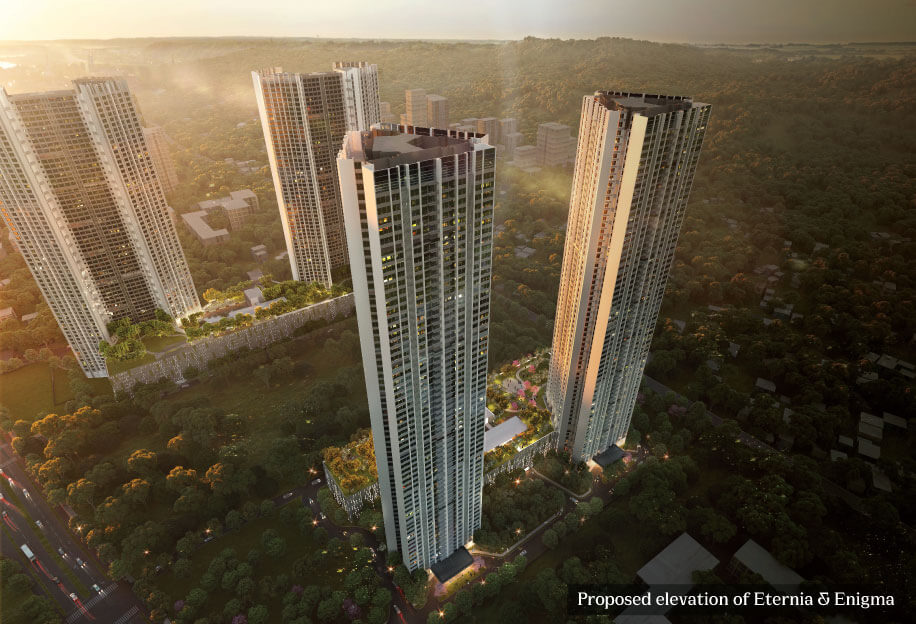
Energy-efficient infrastructure not only adds immediate value but also enhances the long-term resale potential of a property. As energy costs continue to rise and environmental regulations become more stringent, homes that lack energy-efficient features may face depreciation in value over time.
Investors looking for properties with sustainable features are likely to appreciate the long-term investment potential of energy-efficient homes. As consumers become more educated about the benefits of energy efficiency, properties equipped with these features will remain in high demand, further solidifying their value in the market.
In summary, the effect of energy-efficient infrastructure on property value is undeniable. The blend of financial savings, market trends, government incentives, emotional appeal, and long-term value creates a compelling case for investing in energy-efficient real estate. As sustainability becomes a priority for buyers and investors alike, properties that embrace energy efficiency will not only enhance their market appeal but also secure their place as valuable assets in an ever-evolving real estate landscape.
Do Follow Estate Magazine on Instagram
Read More:- Top Emerging Real Estate Developers in the Middle East Today 2026