

The recent decline in Porsche shares by 6% has raised eyebrows and prompted concern among investors and analysts alike. This dip is largely attributed to worries surrounding the company’s earnings forecast for 2026. As a luxury automaker known for its high-performance vehicles, any fluctuation in its share price can send ripples through the automotive market and beyond. This article delves into the factors contributing to this decline, the implications for Porsche’s future, and what it means for investors and enthusiasts alike.
Porsche, a name synonymous with luxury and performance, has a dedicated following. However, the company’s latest earnings forecast has sparked concerns that have led to a notable drop in share prices. Analysts are particularly worried about the impact of rising costs, supply chain disruptions, and shifting consumer preferences on the company’s profitability.
The market’s reaction to these forecasts has been swift and decisive. Investors are keenly aware that any potential dip in earnings could have significant ramifications for Porsche’s long-term strategy and market position. As luxury car buyers become more discerning, the pressure is on Porsche to maintain its reputation for excellence while navigating these financial challenges.
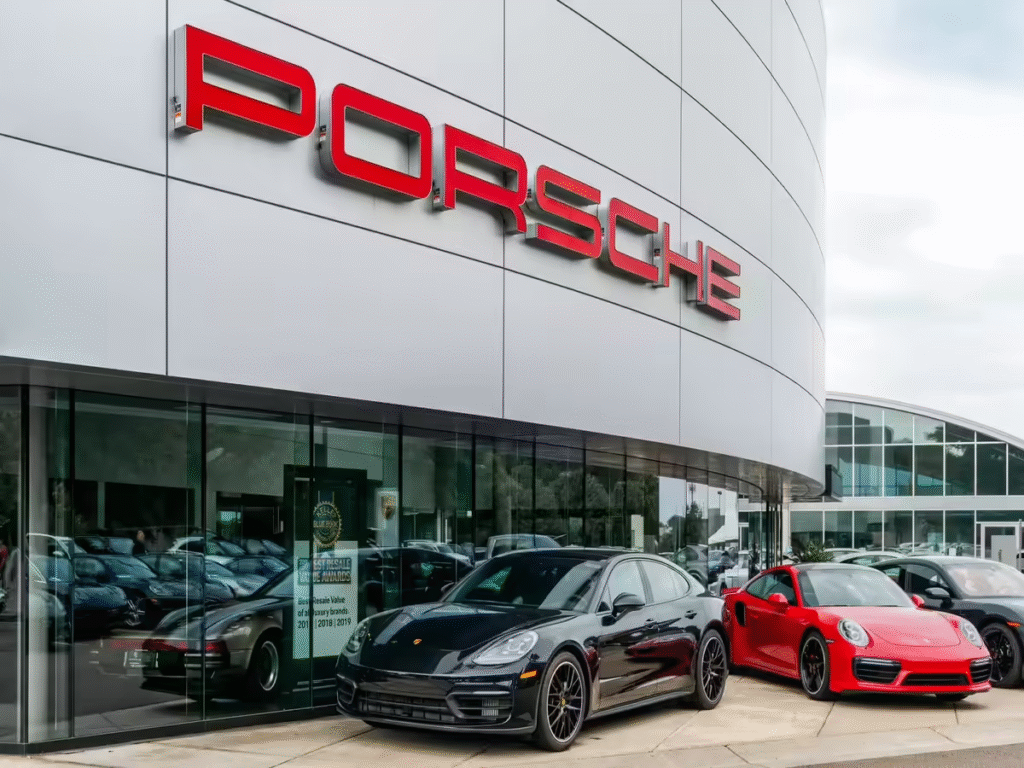
Several factors are contributing to the current state of Porsche shares. Firstly, there is the overarching economic climate. Inflationary pressures, increased production costs, and geopolitical tensions can all impact the automotive industry. In Porsche’s case, the rising costs of raw materials and parts have led to concerns about profit margins and overall financial health.
Additionally, the shift towards electric vehicles (EVs) is reshaping the automotive landscape. While Porsche has made strides in this area with its electric models, the transition requires significant investment and innovation. The uncertainty surrounding the profitability of EVs, especially in the luxury segment, adds another layer of complexity to the company’s earnings outlook.
Porsche operates in a highly competitive market, where rivals are also pushing into the EV space. Companies like Tesla and traditional automakers are all vying for the same affluent customer base. This intensifying competition means that Porsche must not only innovate but also market its vehicles effectively to stand out.
As consumer preferences evolve, Porsche’s ability to adapt will be crucial. The company’s efforts to balance its iconic combustion engine models with a growing line-up of electric vehicles will be closely scrutinized. Any misstep in this transition could further affect investor confidence and, by extension, share prices.
For investors, the recent fall in Porsche shares serves as a reminder of the volatility of the stock market, particularly in the automotive sector. Those who have invested in Porsche may be feeling anxious about the future, particularly with the 2026 earnings forecast looming large.
It’s essential for investors to remain informed and consider the long-term potential of Porsche. While short-term fluctuations can be unsettling, the company’s legacy and brand strength provide a foundation for potential recovery. Understanding the broader context of the automotive industry and the specific challenges Porsche faces will be key for making informed investment decisions.
As Porsche navigates these turbulent waters, the company will need to focus on strategic initiatives that can bolster its market position. This includes investing in research and development, enhancing supply chain resilience, and continuing to build on its brand equity.
Moreover, communication with investors will be crucial. Transparency about challenges and strategies will not only build trust but also help manage expectations. For Porsche, maintaining its status as a leader in the luxury automotive market hinges on its ability to adapt to changing circumstances while staying true to its core values.
The fall in Porsche shares by 6% due to concerns over the 2026 earnings forecast highlights the complex interplay between economic factors, consumer preferences, and competitive dynamics in the automotive industry. While the road ahead may be fraught with challenges, Porsche’s storied history and commitment to excellence position it well for future success. As the company evolves, both investors and enthusiasts will be watching closely, hoping for a swift turnaround in share performance.
In conclusion, staying informed about market trends and company strategies is vital for anyone invested in Porsche or the automotive sector at large. The coming years will undoubtedly bring new challenges and opportunities, and how Porsche responds will be crucial to its legacy and financial health.
Do Follow Estate Magazine on Instagram
Read More:- Saudi Finance Ministry Boosts Binladin Group Stake – Booyah 2026