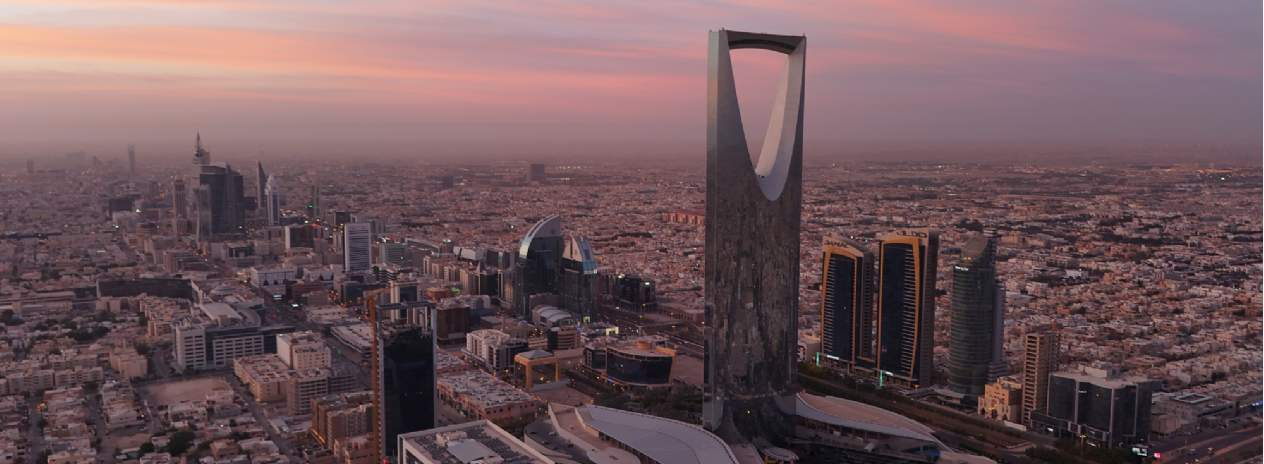
Understanding the dynamics of supply and demand in the commercial real estate sector is crucial, especially in a rapidly evolving market like Riyadh. As businesses expand and adapt to new economic realities, the trends in leasable space become a focal point of interest. This article delves into the nuances of supply versus demand in the Riyadh commercial sector, exploring how these factors influence the market and shape the future of business operations in the city.
Riyadh’s commercial sector has been experiencing a surge in demand for leasable spaces. Several factors contribute to this increasing need, including the city’s strategic location, economic diversification efforts, and a young, dynamic population eager to engage in various commercial activities.
Recent initiatives by the Saudi government to encourage foreign investment and stimulate local businesses have further fueled this demand. The Vision 2030 program aims to reduce the kingdom’s dependence on oil and diversify its economy, leading to a more robust demand for office spaces, retail outlets, and mixed-use developments. As a result, the commercial real estate market is seeing heightened interest from both local and international investors.
While demand is on the rise, the supply of leasable space in Riyadh has also been evolving. Developers are responding to the increased need by constructing modern office buildings, shopping centers, and co-working spaces that cater to a diverse range of businesses.
The trend of flexible workspaces is particularly noteworthy, as companies seek to adapt to new work environments post-pandemic. This has led to a greater emphasis on creating adaptable spaces that can cater to various needs, whether for startups or established corporations.
Moreover, the integration of technology in commercial spaces is becoming more prevalent. Smart buildings equipped with advanced technology not only enhance the working environment but also attract businesses looking for innovative solutions. This shift highlights the importance of aligning supply with current market demands.
Navigating the balance between supply and demand is essential for stakeholders in the Riyadh commercial sector. An oversupply of space can lead to increased vacancy rates and falling rental prices, while undersupply can create opportunities for higher rents and fierce competition among tenants.
Currently, Riyadh finds itself in a unique position where demand is gradually outpacing supply. This trend is particularly visible in prime locations where businesses aspire to establish their presence. As a result, landlords are becoming more strategic in their leasing approaches, offering competitive rates and incentives to attract tenants.
However, the fluctuation in demand can also be influenced by external factors such as economic conditions, regulatory changes, and global market trends. Stakeholders must remain vigilant and responsive to these changes to maintain a healthy balance.
Despite the optimistic outlook for the Riyadh commercial sector, several challenges must be addressed. One significant hurdle is the need for infrastructure development to support the growing demand. As businesses flock to the city, the demand for robust transportation networks and public amenities becomes increasingly critical.
Additionally, competition among developers can lead to a saturation of certain areas, resulting in a potential oversupply. To mitigate this risk, developers must conduct thorough market research and engage in strategic planning to ensure that new projects align with actual demand and future trends.
Another challenge is the cultural shift towards remote working, which has prompted many companies to reconsider their office space requirements. This change necessitates a reevaluation of traditional leasing models and may lead to a rise in demand for more flexible leasing options.
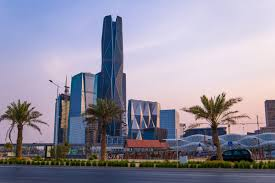
Looking ahead, the future of leasable space in the Riyadh commercial sector appears promising. With ongoing investment in infrastructure and a commitment to economic diversification, the market is poised for growth.
As the city continues to develop, businesses will likely seek spaces that not only meet their operational needs but also enhance employee well-being and productivity. This trend could further drive the demand for modern, well-designed commercial spaces that incorporate sustainability and technology.
Moreover, as Riyadh positions itself as a regional hub for business and trade, the influx of international companies will likely contribute to a sustained increase in demand for commercial properties. The interplay of supply and demand will continue to shape the market, influencing rental rates and development strategies.
In conclusion, the supply versus demand dynamics in the Riyadh commercial sector are complex yet fascinating. As demand for leasable space grows amid economic diversification efforts, the market is adapting with innovative solutions and new developments. Stakeholders must remain agile, balancing supply with changing demands while addressing potential challenges.
As Riyadh continues to evolve as a commercial powerhouse, the opportunities for growth and investment in the leasing market are abundant. Understanding these trends will empower businesses and investors to make informed decisions that align with the future landscape of the commercial sector.
Do Follow Estate Magazine on Instagram
Read More:- Sharjah Acres 2026: 5 Powerful Insights on Positive Escrow Launch