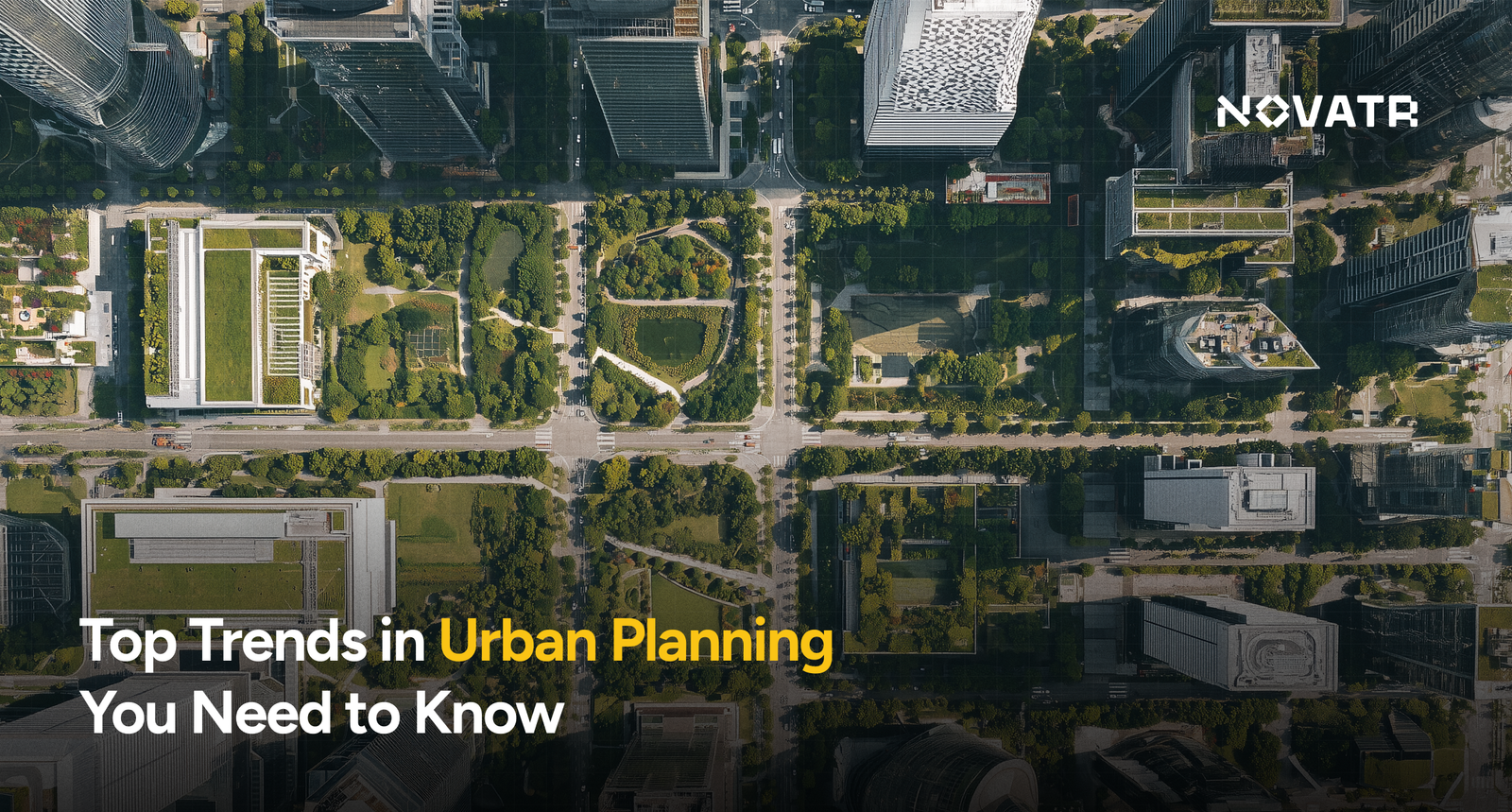
Urban planning shapes the foundation of our cities, influencing everything from transportation systems to green spaces. As populations grow and urban landscapes evolve, understanding urban planning trends and residential demand becomes crucial for stakeholders in real estate. This article explores the intricate relationship between these two elements, shedding light on how they dictate the future of living spaces.
Urban planning is not just about developing infrastructure; it’s about creating environments where communities can thrive. Recent trends reflect a growing emphasis on sustainability, walkability, and mixed-use developments. These elements respond to the rising demand for more integrated living experiences.
As urban areas continue to expand, the demand for residential properties is shifting. Homebuyers and renters are increasingly looking for places that offer convenience, lifestyle amenities, and a sense of community. This shift is driving urban planners to adapt accordingly.
One of the most significant urban planning trends is the focus on sustainability. With climate change at the forefront of global discussions, urban planners are prioritizing eco-friendly designs. This includes the incorporation of green spaces, energy-efficient buildings, and sustainable transportation options.
In cities where residential demand is high, developers are embracing these sustainable practices. Buildings are being designed with environmentally friendly materials and technologies that reduce carbon footprints. As a result, buyers are more inclined to invest in homes that align with their values regarding the environment.
The demand for walkable neighborhoods is transforming urban planning. Recent studies indicate that many homebuyers prefer areas where they can easily access shops, restaurants, and public transport without relying on cars.
This trend has led to a surge in mixed-use developments, where residential units coexist with commercial spaces. Urban planners are restructuring cities to create pedestrian-friendly environments, enhancing the quality of life for their residents. This shift not only meets current demand but also fosters a sense of community, making neighborhoods more inviting and accessible.
Technology is revolutionizing urban planning and residential demand. The concept of smart cities integrated urban areas that use technology to improve living conditions is gaining traction.
Smart infrastructure, such as IoT-enabled devices, enhances residents’ experiences by providing real-time data on traffic, energy consumption, and security. As urban planners incorporate these technological advancements, the appeal of living in a smart city grows. This trend is particularly attractive to younger generations who prioritize innovation and connectivity in their living environments.
As urban centers become increasingly populated, the pressure on housing markets intensifies. Many cities are grappling with the challenge of providing affordable housing. Urban planners are responding with innovative solutions aimed at balancing residential demand with affordability.
These solutions include the development of smaller, more efficient living spaces and the repurposing of underutilized buildings. Additionally, policies that encourage mixed-income housing are being implemented to ensure that diverse populations can thrive in urban environments. The emphasis on affordability is crucial in maintaining vibrant communities that reflect the needs of all residents.
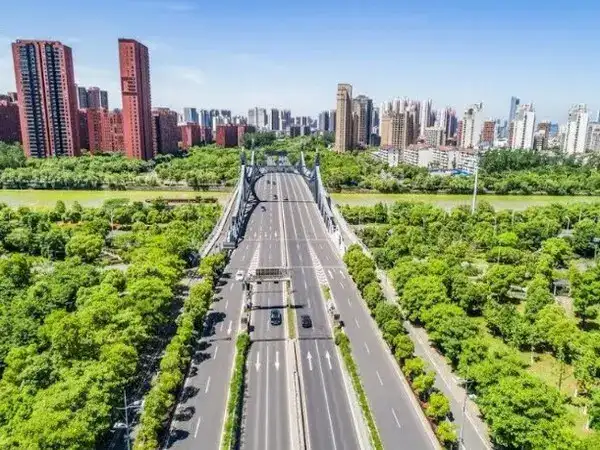
Recent urban planning trends have shifted towards fostering social interactions among residents. Planners are recognizing the importance of community spaces, such as parks, plazas, and gathering spots, in enhancing neighborhood bonds.
As residential demand grows, the integration of these communal spaces becomes vital. By designing neighborhoods that prioritize social connectivity, urban planners can create environments where relationships flourish. This trend not only boosts residents’ overall well-being but also enhances property values.
Urban planning trends and residential demand are intricately linked, shaping the future of our cities. As sustainability, walkability, technology, affordability, and community-centric designs take center stage, urban planners are reimagining living spaces to meet evolving needs.
Understanding these trends is essential for anyone involved in real estate, as they dictate not only the current market but also the future landscape of urban living. As we look forward, the commitment to creating harmonious, livable cities will continue to drive demand and influence urban planning decisions.
Do Follow Estate Magazine on Instagram
Read More:- Waterfront vs Inland Developments: 7 Powerful Pros and Shocking Cons