
In today’s rapidly changing market, understanding the long-term trends in buyer behavior is crucial for businesses and marketers alike. As consumer preferences evolve, recognizing these patterns can provide insights that lead to improved marketing strategies and enhanced customer experiences. This article delves into the core aspects of buyer behavior, emphasizing the significance of long-term trends and how they can inform future business decisions.
Buyer behavior encapsulates the decision-making process individuals undergo when purchasing products or services. It’s not merely about the act of buying; it’s a complex interplay of emotional, psychological, and social factors. Recognizing long-term trends in buyer behavior offers valuable perspective on how consumer attitudes and preferences shift over time, which is crucial for businesses aiming to stay relevant and competitive.
In an era where consumers are inundated with choices, understanding the nuances of their behavior can be the difference between a successful marketing campaign and a failed one. Companies that grasp these trends can tailor their offerings, enhance customer engagement, and ultimately drive sales.
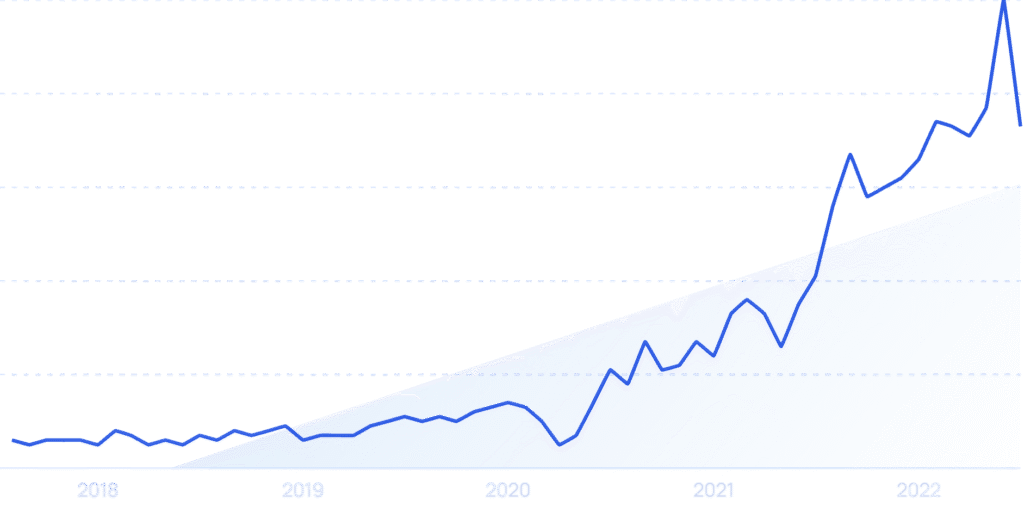
Several factors shape long-term trends in buyer behavior, and understanding these can provide a more comprehensive view of the marketplace.
The digital age has revolutionized how consumers shop and interact with brands. From e-commerce platforms to social media, technology has created new channels for buyers to learn about and purchase products. As technology continues to evolve, so too will buyer behavior. Businesses must adapt to these changes by embracing digital transformation and leveraging data analytics to understand consumer preferences better.
The economic landscape significantly influences buyer behavior. Factors such as inflation, employment rates, and disposable income play a pivotal role in shaping consumer spending habits. During economic downturns, buyers may prioritize essential goods over luxury items, while in times of prosperity, they might indulge in premium products. Understanding these cycles can help businesses forecast demand and adjust their strategies accordingly.
Cultural trends also impact long-term buyer behavior. As societal values evolve, so do consumer expectations. For instance, the growing emphasis on sustainability and ethical consumption has led many buyers to favor brands that align with these values. Companies that embrace social responsibility and demonstrate a commitment to sustainable practices can build stronger relationships with their customers.
Emotional connections play a significant role in influencing buyer behavior. Consumers often make purchasing decisions based on how they feel about a brand rather than simply the product itself. Brands that successfully create emotional connections can foster loyalty and encourage repeat purchases.
One effective way to create emotional connections is through storytelling. Brands that share their narratives, values, and missions resonate more deeply with consumers. A compelling story can evoke emotions that drive buyers to choose one brand over another, even in competitive markets. This emotional engagement is a crucial long-term trend in buyer behavior that businesses should prioritize.
The overall customer experience also impacts long-term buying decisions. In a world where consumers have numerous options, providing exceptional service can set a brand apart. A positive experience can lead to word-of-mouth referrals and repeat purchases, while negative experiences can deter potential customers. Companies that prioritize customer satisfaction are likely to thrive in the long run.
Social proof, or the influence of others on an individual’s behavior, is a powerful factor in long-term buyer behavior. Consumers often look to reviews, testimonials, and recommendations from peers before making a purchase. This trend highlights the importance of building a positive online presence and encouraging satisfied customers to share their experiences.
User-generated content (UGC) can significantly enhance a brand’s credibility and appeal. When consumers see real people endorsing a product, it can validate their purchasing decisions. Brands that actively encourage and showcase UGC can tap into this trend and cultivate a community of loyal customers.
As buyer behavior continues to evolve, businesses must remain agile and responsive to these changes. Engaging in continuous market research, monitoring consumer trends, and being open to feedback are vital strategies for staying ahead of the curve.
One of the most effective ways to adapt to changing buyer preferences is through personalization. Consumers increasingly expect tailored experiences, from product recommendations to targeted marketing messages. By leveraging data analytics, businesses can create personalized offerings that resonate with individual consumers, making them feel valued and understood.
In today’s marketplace, consumers often engage with brands across multiple channels. An omnichannel approach that provides a seamless shopping experience—whether online or in-store—can enhance customer satisfaction and loyalty. Businesses that invest in integrating their marketing efforts across various platforms are more likely to thrive in the long term.
Understanding long-term trends in buyer behavior is essential for businesses aiming to succeed in a competitive landscape. By recognizing the factors that influence consumer decisions, companies can adapt their strategies to meet the evolving needs of their customers. Emphasizing emotional connections, leveraging social proof, and personalizing experiences are just a few ways businesses can engage effectively with their audience.
As we move forward, staying attuned to these long-term trends will be crucial in navigating the ever-changing world of consumer behavior. Companies that embrace these insights will not only foster loyalty but also drive sustainable growth in the years to come.
Do Follow Estate Magazine on Instagram
Read More:- Sustainable Housing Trends: Powerful Green Visions Shaping Dubai’s Future 2026