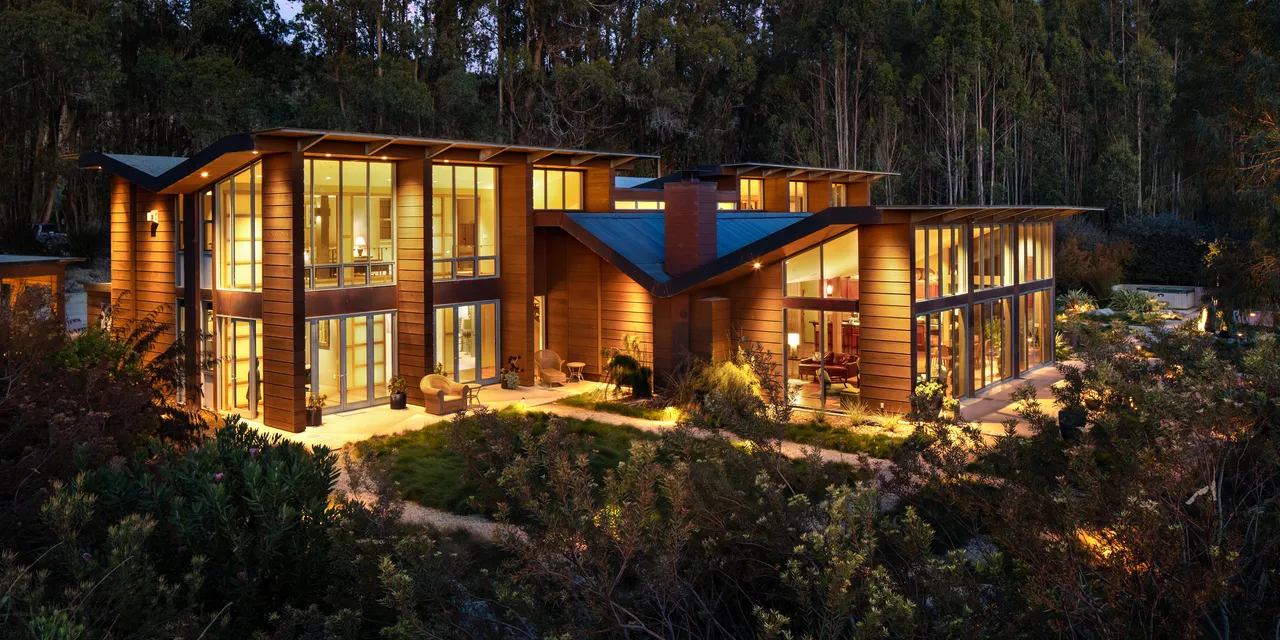
The world of luxury real estate is ever-evolving, and as we move towards 2026, several trends are shaping the landscape in significant ways. From the impact of digital safety concerns to changing consumer preferences, these trends are crucial for anyone involved in the luxury property market. Understanding these dynamics can help buyers, sellers, and investors navigate the complexities of this exclusive market.
One of the most compelling trends influencing global luxury real estate is the increasing emphasis on safety and security. Families are increasingly prioritizing locations that offer not just beautiful homes but also a sense of safety. This shift has been particularly pronounced in urban areas where crime rates, cyber threats, and public health issues have become more pronounced.
As digital safety concerns rise, families are gravitating towards cities that provide robust security measures, both physical and digital. This is leading to a surge in demand for luxury properties in gated communities, secure buildings, and neighborhoods known for their low crime rates. The concept of a safe haven is becoming a key selling point in the luxury real estate market as buyers seek peace of mind alongside elegance and comfort.
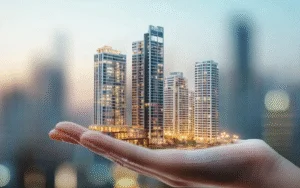
Technology is another factor shaping the luxury real estate landscape as we approach 2026. Smart home technology has become a staple in high-end properties, offering not just convenience but also enhanced security features. Buyers are increasingly looking for homes equipped with state-of-the-art security systems, automated lighting, and climate control that can be managed remotely.
Moreover, the rise of virtual reality and augmented reality is changing how properties are marketed. Potential buyers can now take virtual tours of homes before visiting in person, allowing them to make informed decisions without the need for extensive travel. This shift not only enhances the buying experience but also expands the reach for sellers in the global luxury market.
Sustainability is no longer just a trend; it’s a necessity in the luxury real estate sector. Buyers are increasingly interested in properties that are environmentally friendly and have sustainable features. This includes energy-efficient appliances, solar panels, and eco-friendly building materials.
As we move towards 2026, the demand for sustainable luxury homes is expected to grow. Real estate developers are responding to this demand by incorporating green designs and technologies into new builds. Properties that boast sustainability credentials are not only appealing to environmentally conscious buyers but also promise long-term cost savings and increased property values.
The shift towards remote work has transformed the luxury real estate landscape. Many buyers are no longer tied to traditional business hubs and are seeking properties in more serene locations, including coastal areas, mountain retreats, and sprawling estates that offer a peaceful environment for work and relaxation.
This trend has led to a surge in luxury developments in less conventional locations, where families can enjoy a higher quality of life. As a result, cities that may have previously been overlooked are gaining traction in the luxury market, providing new opportunities for both buyers and investors.
As families relocate, they are increasingly looking for communities that offer a rich lifestyle. This includes access to high-end amenities such as gourmet restaurants, shopping, cultural experiences, and recreational activities. The desire for a vibrant community is changing how luxury developments are designed, with an emphasis on creating spaces that foster social interaction and community engagement.
Developers are responding by integrating lifestyle amenities into their projects. This might include wellness centers, community gardens, and shared social spaces that encourage residents to connect. The shift towards a community-focused approach is likely to continue as families prioritize not just a home but a lifestyle that enhances their overall well-being.
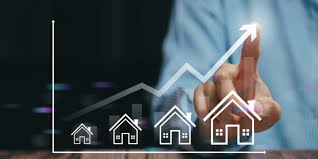
As the world becomes more interconnected, global mobility is influencing luxury real estate trends. Buyers are increasingly looking for properties that not only serve as a residence but also as an investment. This has led to a rise in interest in international markets, where buyers seek opportunities to diversify their portfolios.
Cities that offer favorable investment climates, robust infrastructure, and potential for capital appreciation are becoming hot spots in the luxury real estate market. Investors are also considering the implications of political stability, economic growth, and lifestyle offerings when choosing where to invest.
As we look towards 2026, the luxury real estate market is poised for exciting changes. The trends discussed above – digital safety concerns, technological advancements, sustainability, remote work, community emphasis, and global mobility – are all set to shape the future of luxury living.
Buyers will continue to seek properties that offer safety, convenience, and a rich lifestyle experience. As a result, developers and real estate professionals must stay ahead of these trends to meet evolving consumer demands.
In conclusion, the global luxury real estate trends shaping 2026 highlight the importance of adapting to changing lifestyles and priorities. By understanding these dynamics, stakeholders in the luxury market can better position themselves for success in an ever-evolving landscape.
Do Follow Estate Magazine on Instagram
Read More:- Regulatory Changes Influencing Transparency: 7 Powerful Positive Market Shifts