

The landscape of real estate development is rapidly changing, with a significant focus on ESG compliance in real estate development. As environmental, social, and governance factors gain importance, developers and investors are increasingly aware of the need to align their projects with sustainable practices. This shift is not merely a trend; it’s a fundamental change in how we approach real estate, shaping the future of urban living and community engagement.
ESG compliance refers to a framework that evaluates a company’s operations and impacts based on environmental sustainability, social responsibility, and governance practices. In real estate development, this means ensuring that projects are designed and executed in ways that minimize environmental harm, promote social well-being, and adhere to ethical governance practices.
Environmental considerations include energy efficiency, waste management, and the use of sustainable materials. Social factors encompass community impact, tenant rights, and inclusivity in housing design. Governance aspects involve transparent practices, regulatory adherence, and stakeholder engagement.
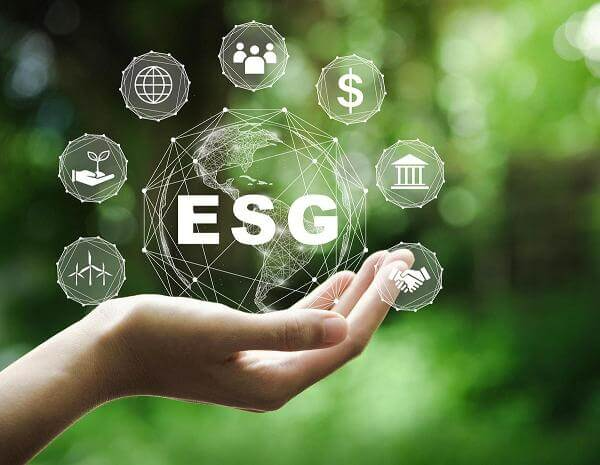
The importance of ESG compliance in real estate development cannot be overstated. As urban populations grow, the demand for sustainable housing and commercial spaces increases. Developers are under pressure to create spaces that not only meet the needs of residents and businesses but also contribute positively to the environment and society.
Adopting ESG principles can lead to several benefits, including enhanced brand reputation, increased property values, and improved tenant satisfaction. Projects that incorporate ESG compliance often attract environmentally conscious investors and buyers, making them more competitive in the market.
Investing in ESG compliance in real estate development is not just about ethical considerations; it’s also about economic advantages. Properties that prioritize sustainability tend to have lower operating costs due to energy efficiency and resource conservation. Additionally, they are often eligible for various incentives, such as tax reductions or grants aimed at promoting sustainable practices.
Moreover, research indicates that buildings with strong ESG credentials often see higher occupancy rates and rental premiums. This is particularly appealing in a market where consumers are increasingly prioritizing sustainability in their purchasing decisions.
Despite the clear benefits, achieving ESG compliance in real estate development is not without its challenges. Developers often face regulatory hurdles, high upfront costs, and a lack of standardized metrics for measuring ESG performance.
Navigating the complex landscape of local and national regulations can be daunting, as laws regarding environmental impact, social equity, and governance can vary significantly. Additionally, while the initial investment in sustainable materials and practices may be high, the long-term savings often justify these costs.
Innovation plays a crucial role in advancing ESG compliance in real estate development. Developers are increasingly turning to new technologies, such as smart building systems and renewable energy sources, to create more sustainable properties. These innovations not only improve the efficiency of buildings but also enhance the overall living experience for residents.
Smart technology can optimize energy use, reduce waste, and improve indoor air quality, all contributing to a healthier living environment. Furthermore, renewable energy installations, such as solar panels, can significantly decrease a building’s carbon footprint.

Community engagement is a vital aspect of ESG compliance in real estate development. Socially responsible developers understand the importance of involving local communities in the planning process. This not only ensures that developments meet the needs of residents but also fosters a sense of ownership and pride in the community.
Transparent communication and collaboration with stakeholders, including local governments, residents, and advocacy groups, can lead to more successful projects. When developers actively seek input from the community, they are more likely to create spaces that are inclusive and beneficial for all.
As awareness of climate change and social equity issues grows, ESG compliance is becoming a standard expectation in real estate development. Investors are increasingly demanding that their investments align with their values, leading to a shift in how projects are evaluated and funded.
Real estate developers who prioritize ESG compliance will not only meet regulatory expectations but also position themselves as leaders in a transforming industry. This proactive approach will be essential for long-term success in a market that values sustainability and ethical practices.
Embracing ESG compliance in real estate development is no longer optional; it is a necessity for a sustainable future. By integrating environmental, social, and governance considerations into their projects, developers can create spaces that are not only economically viable but also enhance the quality of life for communities. The focus on ESG compliance will continue to shape the real estate industry, driving innovation and fostering a more sustainable world.
Do Follow Estate Magazine on Instagram
Read More:- Dubai Neighbourhoods to Watch: Discover Future Living Hotspots Easily 2026