The concept of hybrid work has rapidly evolved in recent years, becoming a significant topic of discussion in the UAE’s business community. As organizations adapt to new working models, understanding the impact of hybrid work on UAE office space utilisation has never been more crucial. This transformation is not just about changing where employees work but also how office spaces are designed, utilized, and valued.
As we dive deeper into this subject, we will explore the implications of hybrid work on office space demand, the emerging trends, and the potential for sustained growth in the UAE’s commercial real estate sector.
The UAE has long been a hub for business and innovation, attracting a diverse workforce from around the globe. The pandemic accelerated the adoption of hybrid work models, leading to a significant shift in how organizations operate. This shift has profound implications for office space utilisation.
Hybrid work allows employees the flexibility to work both remotely and in the office. This flexibility caters to diverse employee preferences, enhancing job satisfaction and productivity. However, it also raises questions about the future of traditional office spaces in the UAE. As companies embrace this model, the challenge lies in optimizing office space to meet new demands while keeping costs in check.
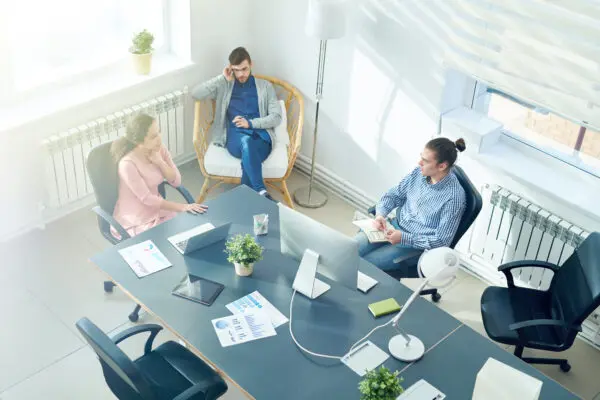
One of the most notable impacts of hybrid work on UAE office space utilisation is the change in occupancy rates. With employees splitting their time between home and the office, many organizations have found themselves with excess office space. This shift has led to various responses from companies regarding their real estate strategies.
Some businesses are downsizing their office footprints, opting for smaller spaces that better fit their hybrid needs. Others are reimagining their office layouts to foster collaboration and creativity, focusing on flexible workspaces rather than fixed desks. This transformation requires a keen understanding of employee needs and preferences, driving companies to rethink how they design and utilize their office environments.
As the hybrid work model becomes more mainstream, several trends in office design and utilisation are emerging in the UAE.
Firstly, there is an increased focus on collaborative spaces. Companies are recognizing the importance of creating environments that encourage teamwork and social interaction. This shift often results in open layouts, breakout areas, and technology-enhanced meeting rooms that facilitate collaboration.
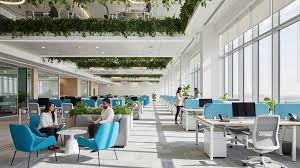
Secondly, the concept of wellness in the workplace is gaining traction. Organizations are investing in designs that promote employee well-being, incorporating elements such as natural lighting, greenery, and ergonomic furniture. These changes not only improve employee satisfaction but also contribute to productivity.
Lastly, technology integration is pivotal. Smart office solutions, including booking systems for shared spaces and digital communication tools, are becoming essential. These innovations support the fluid nature of hybrid work, ensuring that employees can seamlessly transition between home and office environments.
The financial impact of hybrid work on office space utilisation in the UAE cannot be understated. With many companies reassessing their real estate needs, the potential for cost savings is significant.
By reducing their office space requirements, organizations can lower rental expenses and redirect those funds towards employee development or technology upgrades. However, this shift also poses challenges, as companies must balance short-term savings with long-term strategic goals.
The demand for flexible leasing options is also on the rise. Landlords and real estate developers are adapting to this change by offering more adaptable contracts, allowing businesses to scale their office space as needed. This flexibility is crucial in a volatile market, providing companies with the agility to respond to changing circumstances.
The impact of hybrid work on UAE office space utilisation is a double-edged sword. While there may be a market correction as businesses adjust their real estate strategies, there are also opportunities for sustained growth.
As companies embrace hybrid work, they are likely to invest in office spaces that align with their evolving cultures and operational needs. This focus on creating dynamic work environments can lead to an uptick in demand for modern, flexible office spaces.
Additionally, the growth of the tech sector in the UAE further supports this potential for sustained growth. As more technology-driven companies emerge, the demand for innovative office spaces that foster collaboration and creativity will continue to rise.
The impact of hybrid work on UAE office space utilisation represents a pivotal moment for businesses and the real estate market alike. As organizations navigate the complexities of this new working model, they must remain agile and responsive to changing employee needs.
The transition to hybrid work is not merely a trend but a fundamental shift in how work is perceived and conducted. The future of office spaces in the UAE will depend on the ability of businesses to innovate and adapt, embracing flexibility while maintaining a focus on employee well-being and collaboration.
In conclusion, understanding and strategically responding to the impact of hybrid work will be essential for businesses looking to thrive in the evolving UAE landscape.
Do Follow Estate Magazine on Instagram
Read More:- Mixed-Use Developments Transform UAE Commercial Space Opportunities