
In the ever-evolving landscape of real estate development, ESG compliance has emerged as a pivotal focus for developers, investors, and stakeholders. The acronym stands for Environmental, Social, and Governance, and its principles guide developers in creating projects that are not only profitable but also sustainable and ethically sound. As the demand for responsible practices rises, understanding ESG compliance in real estate development becomes crucial for success.
The importance of ESG compliance in real estate development cannot be overstated. It influences investment decisions, enhances brand reputation, and ensures regulatory adherence. Today’s consumers and investors are increasingly conscious of sustainability, pushing firms to adopt practices that honor these values.
Moreover, ESG compliance can lead to cost savings in the long run. By focusing on energy efficiency and sustainable materials, developers can reduce operational costs and increase property value. In a market that increasingly rewards sustainability, following ESG principles is not just ethical; it’s smart business.
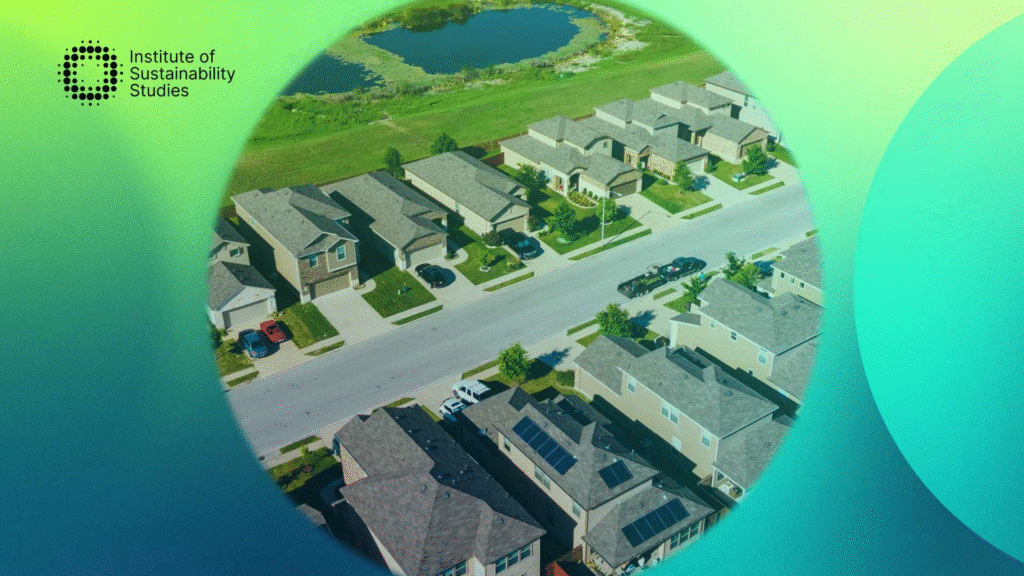
Understanding the three components of ESG compliance is essential for effective implementation in real estate development.
Environmental aspects focus on how a project impacts the natural world. This includes energy consumption, waste management, and the use of sustainable materials. Developers are encouraged to minimize carbon footprints, utilize renewable energy sources, and enhance biodiversity in development areas.
Projects that prioritize these factors often receive certifications such as LEED or BREEAM, which not only signal commitment to sustainability but also attract eco-conscious tenants and investors.
The social component emphasizes the impact of real estate projects on communities and stakeholders. Developers must consider how their projects affect local populations, housing affordability, and community engagement.
Investing in affordable housing and ensuring that developments include social infrastructure—like parks and schools—can foster positive community relations and enhance a project’s long-term viability.
Governance refers to the internal systems and processes that oversee a company’s operations. For real estate developers, this includes transparency in reporting, ethical business practices, and compliance with regulations. A strong governance framework ensures that projects uphold high ethical standards and operational integrity.
Implementing robust governance practices is essential for maintaining investor trust and ensuring compliance with evolving regulations related to ESG.
While the benefits of ESG compliance in real estate development are clear, developers often face challenges in its implementation. One significant obstacle is the initial cost. Sustainable materials and technologies may require a higher upfront investment, which can deter some developers.
Additionally, navigating the complex landscape of regulations and standards can be daunting. Each region may have different requirements, making it essential for developers to stay informed and adaptable.
Furthermore, measuring the impact of ESG initiatives can be challenging. Developers need to establish clear metrics to assess their efforts and demonstrate their commitment to stakeholders effectively.

As ESG compliance continues to gain traction, the future of real estate development will likely be shaped by these principles. Investors are increasingly looking for opportunities that align with their values, and this trend is expected to accelerate.
Developers who embrace ESG compliance will not only enhance their marketability but also contribute to a more sustainable and equitable built environment. As technologies advance, we may see innovative solutions that make compliance more accessible and cost-effective.
Moreover, public sentiment around climate change and social responsibility is likely to push regulators towards stricter compliance measures. Developers will need to stay ahead of these trends by proactively integrating ESG considerations into their strategies.
In conclusion, ESG compliance in real estate development is no longer a choice but a necessity. It offers a pathway to sustainable growth and responsible practices that resonate with today’s investors and communities. By focusing on environmental stewardship, social responsibility, and strong governance, developers can not only meet regulatory demands but also position themselves for long-term success.
As the industry evolves, those who prioritize ESG compliance will likely lead the way in shaping a more sustainable future for real estate development.
Do Follow Estate Magazine on Instagram
Read More:- Market Correction vs Growth: 5 Powerful Truths Shaping Valuation Standards