The United Arab Emirates (UAE) has emerged as a bustling hub for business and innovation, largely due to its dynamic economic landscape. Among the various contributors to this vibrant economy, Small and Medium Enterprises (SMEs) play a pivotal role. Understanding why SMEs are critical to UAE GDP and economic diversification not only sheds light on their importance but also illustrates the broader implications for future growth.
SMEs account for a significant portion of the UAE’s economy, contributing nearly 60% of the national GDP. This substantial figure underscores their role as the backbone of the economy. These businesses are not just about numbers; they represent the spirit of entrepreneurship that drives innovation and job creation.
The UAE’s strategic location and favorable business conditions have fostered a thriving environment for SMEs. They provide essential goods and services, meet local demand, and often cater to niche markets, filling gaps that larger corporations may overlook. This adaptability is crucial in enhancing the overall economic landscape.
One of the key reasons why SMEs are critical to UAE GDP and economic diversification lies in their ability to foster innovation. Smaller companies can pivot quickly, experiment with new ideas, and implement changes without the bureaucratic hurdles often encountered in larger firms.
In an economy that is diversifying away from oil dependency, innovation becomes a cornerstone of sustainability. SMEs are at the forefront of developing new products, services, and technologies that can lead to breakthroughs in various sectors. This constant push for innovation not only benefits the SMEs themselves but also stimulates competition across the marketplace, leading to improved quality and lower prices for consumers.
The contribution of SMEs to job creation cannot be overstated. In the UAE, these enterprises employ around 86% of the private sector workforce. This statistic highlights their role as a major employment engine, providing opportunities for both skilled and unskilled labor.
As the UAE continues to diversify its economy, the demand for a workforce equipped with a variety of skills has grown immensely. SMEs are stepping up to meet this demand, offering training and development opportunities that enhance workforce capabilities. By doing so, they not only contribute to the GDP but also play a crucial role in building a skilled labor market necessary for sustainable economic growth.
Economic diversification is a pressing need for the UAE, particularly given the volatility of oil prices. SMEs are integral to this strategy, as they operate across various sectors including technology, tourism, healthcare, and manufacturing thus spreading economic risk.
By supporting the growth of SMEs, the UAE government aims to reduce its reliance on oil and promote a more balanced economy. Initiatives like the UAE Vision 2021 and the National Strategy for SMEs emphasize the importance of this sector in achieving long-term economic goals. As SMEs flourish, they contribute to a more resilient economy that can withstand external shocks.
Recognizing the vital role of SMEs, the UAE government has implemented numerous initiatives to bolster this sector. Various policies have been designed to provide financial aid, simplify regulatory frameworks, and enhance access to markets for small businesses.
Programs aimed at fostering entrepreneurship, such as incubators and accelerators, are becoming increasingly popular. These initiatives not only provide funding but also offer mentorship and networking opportunities. This support system is essential for nurturing the next generation of SMEs, ensuring they are equipped to thrive in a competitive landscape.
Despite their critical role, SMEs in the UAE face several challenges that can hinder their growth. Access to finance remains a significant barrier for many small businesses. While various funding options exist, the stringent requirements often make it difficult for SMEs to secure the capital they need to expand.
Additionally, SMEs must navigate a complex regulatory environment, which can be daunting for new entrepreneurs. Simplifying these processes and ensuring that support mechanisms are in place is essential for fostering a more conducive environment for SME growth.
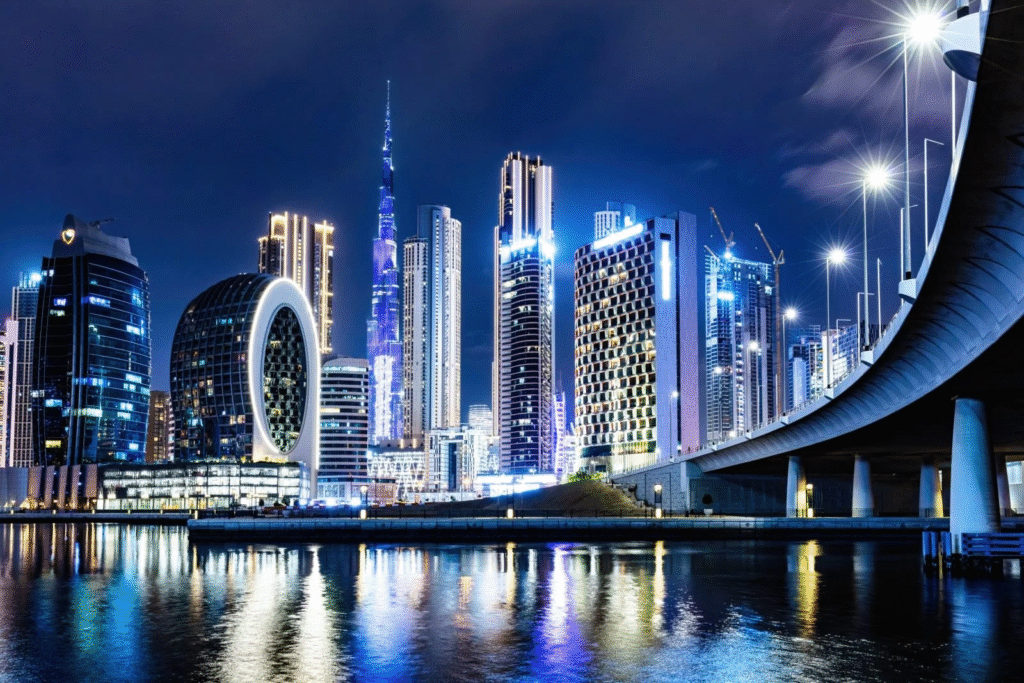
Looking ahead, the future of SMEs in the UAE appears promising. With continued government support and a growing emphasis on innovation, these enterprises are well-positioned to drive economic diversification efforts.
As the country seeks to establish itself as a global leader in sectors such as technology and sustainability, SMEs will likely play an increasingly prominent role. Their agility and adaptability make them ideal candidates to lead the charge in this transformation.
In summary, understanding why SMEs are critical to UAE GDP and economic diversification reveals their indispensable role in shaping the future of the economy. With their contributions to job creation, innovation, and economic resilience, SMEs are not just participants in the economic landscape; they are key players.
As the UAE continues to evolve and adapt to global changes, the support and growth of SMEs will remain a vital component of its economic strategy. Embracing the SME revolution will not only strengthen the economy but also ensure a sustainable and prosperous future for the nation.
Do Follow Estate Magazine on Instagram
Read More:- UAE’s Non-Oil Sector Expansion Unlocks Massive Future Business Opportunities 2026