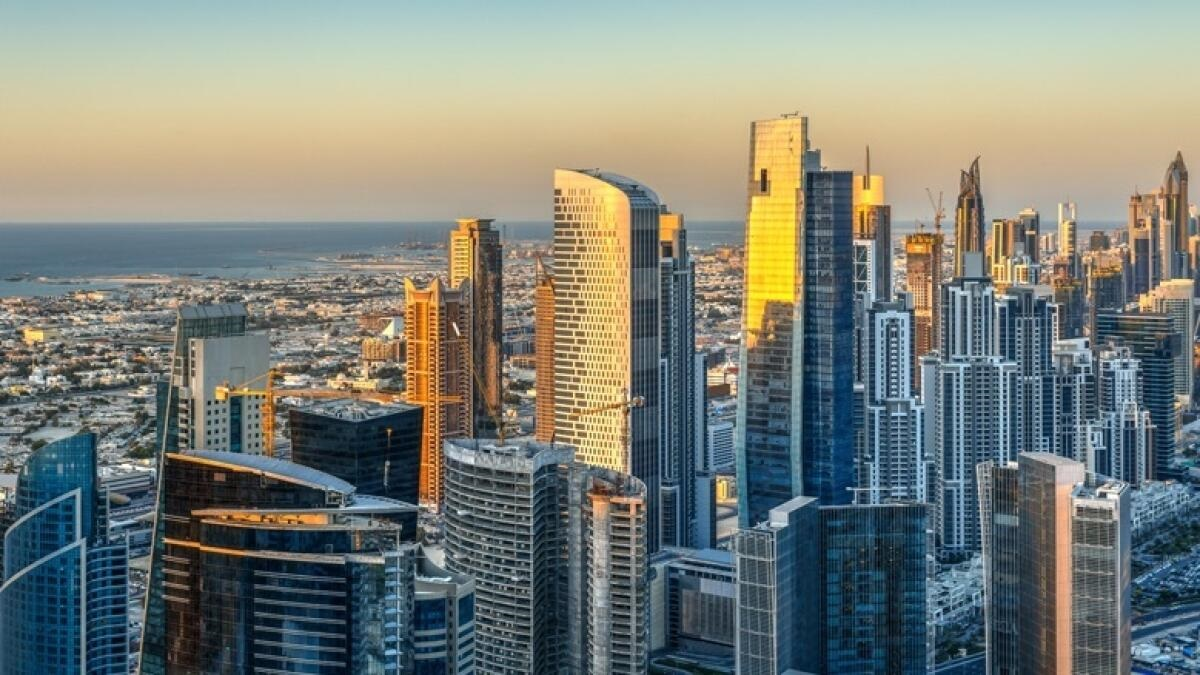
The UAE real estate market is a dynamic and ever-evolving sector that continues to attract local and international investors alike. As we look towards 2026, understanding the growth drivers, price trends, and future outlook of this market becomes essential for stakeholders. With a unique blend of economic stability, strategic location, and innovative developments, the UAE is poised for significant transformations that could redefine its real estate landscape.
The growth of the UAE real estate market is powered by several key factors that create a robust environment for investment and development.

First and foremost, the country’s strategic location as a global business hub cannot be overstated. The UAE serves as a gateway between the East and West, making it an attractive destination for multinational corporations and expatriates. This influx of professionals has created a steady demand for residential and commercial properties.
Another crucial driver is the government’s commitment to diversifying the economy away from oil dependency. Initiatives such as Vision 2021 and various free zones encourage innovation, technology, and tourism, further stimulating real estate demand. Additionally, the UAE’s favorable tax environment and business-friendly policies make it an appealing choice for investors looking to establish a foothold in the region.
Furthermore, infrastructural advancements play a significant role in the growth of the UAE real estate market. The ongoing development of transportation networks, including the expansion of the metro systems and highways, enhances accessibility and connectivity, leading to an increase in property values.
As we delve into the price trends within the UAE real estate market, it’s essential to acknowledge the factors influencing property values. Following a period of price corrections, the market is witnessing a gradual recovery, driven by renewed investor confidence and increased demand.
Residential property prices in major cities like Dubai and Abu Dhabi are expected to stabilize and potentially increase. The luxury segment has shown resilience, with high-net-worth individuals seeking premium properties. This trend is likely to continue, pushing prices upward in sought-after locations.
Commercial real estate is also on an upward trajectory, attributable to the growing number of businesses establishing themselves in the UAE. The demand for office spaces, retail outlets, and logistics facilities is rising, albeit with some fluctuations based on economic conditions globally and locally.
Moreover, the rental market in the UAE is witnessing shifts, with landlords adapting to changing tenant preferences. The demand for affordable housing is on the rise, prompting developers to focus on creating properties that cater to this segment. This trend may lead to a more balanced rental market, benefiting both landlords and tenants.
Looking ahead to 2026, the UAE real estate market presents a landscape filled with both opportunities and challenges. One of the most significant opportunities lies in the burgeoning demand for sustainable and eco-friendly developments. As global awareness of environmental issues grows, investors and developers are increasingly focusing on green building practices. This shift not only meets consumer demand but also aligns with the UAE’s commitment to sustainability and innovation.
Technological advancements will also shape the future of the real estate market. The integration of smart technologies in property management and construction processes can enhance efficiency and attract tech-savvy buyers. Innovations like virtual reality property tours and blockchain for transactions are likely to become more prevalent, further streamlining the buying experience.
However, challenges remain. The potential for economic fluctuations, both regionally and globally, may impact investor sentiment. Market volatility can lead to uncertainties, making it crucial for stakeholders to remain agile and informed. Additionally, regulatory changes could affect investment dynamics, necessitating close monitoring of government policies and reforms.
In summary, the UAE real estate market overview for 2026 reveals a sector poised for growth, driven by strategic initiatives, infrastructural developments, and evolving consumer preferences. While there are challenges to navigate, the overall outlook remains positive. Investors and stakeholders who keep a finger on the pulse of market trends and adapt to changes will undoubtedly find rewarding opportunities in this vibrant market.
As the landscape continues to evolve, staying informed will be key to success. The UAE real estate market is more than just numbers; it’s about people, innovation, and the future of living and working in one of the most exciting regions of the world.
Do Follow Estate Magazine on Instagram
Read More:- Off-Plan vs Ready-To-Move Markets in Dubai: 5 Powerful Growth Trends Driving Investors