
The real estate landscape in the UAE has always been a topic of interest for investors, homebuyers, and analysts alike. As two of the most prominent cities in the region, Dubai and Abu Dhabi each offer unique opportunities and challenges in their property markets. This article delves into a comparative analysis of the performance and investor appeal of the Dubai and Abu Dhabi property markets, helping you understand which city might be the better fit for your investment goals.
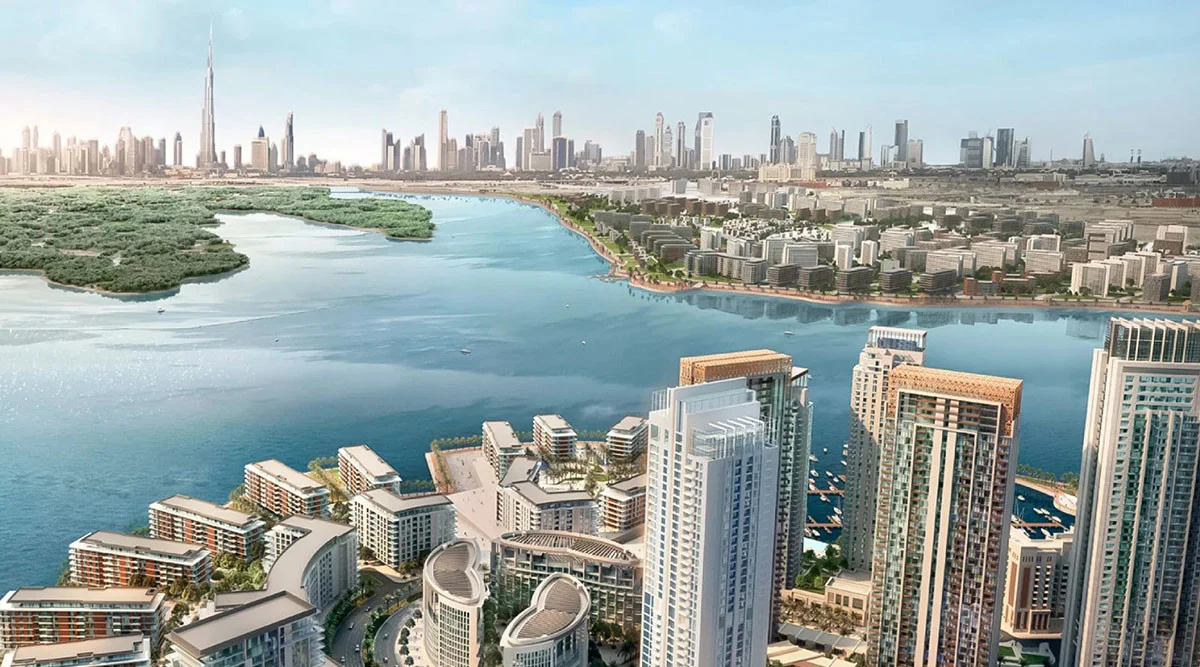
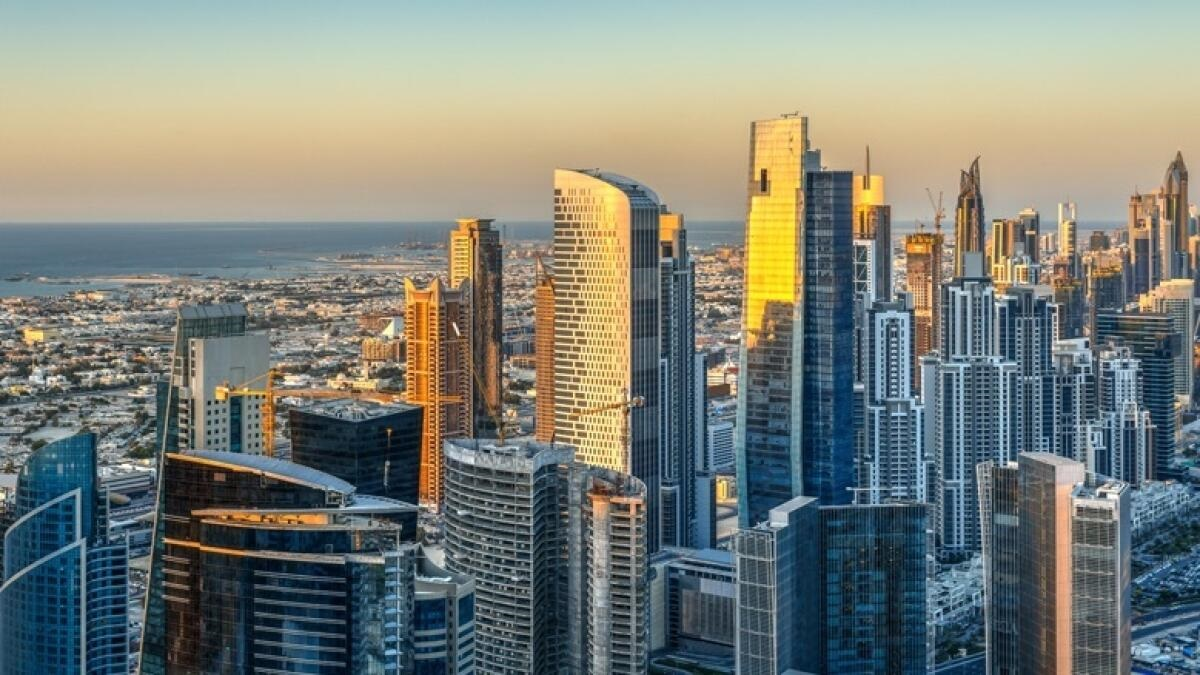
Dubai is renowned for its stunning skyscrapers, luxury lifestyle, and vibrant culture. Its property market has long been a magnet for both local and international investors.
One of the significant factors contributing to Dubai’s property market appeal is its diverse range of properties, from luxurious villas to modern apartments. Such variety caters to a broad audience, making it a hotspot for different types of investors. Furthermore, the city’s ongoing infrastructure projects and hosting of global events, like Expo 2020, have bolstered its position as a leading investment destination.
In recent years, Dubai has seen a resurgence in its property market, driven by favorable regulations for foreign investors and a growing population. The introduction of long-term visas for expatriates and initiatives aimed at boosting tourism have also played a crucial role in enhancing the market’s attractiveness.
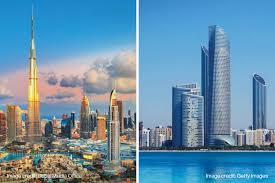
While Dubai often takes the spotlight, Abu Dhabi is not to be overlooked. The capital city of the UAE offers a different yet compelling property market, characterized by stability and a focus on quality over quantity.
Abu Dhabi’s real estate sector has experienced steady growth, with an emphasis on family-oriented communities and high-end developments. The government has invested heavily in infrastructure and cultural projects, such as the Louvre Abu Dhabi and the upcoming Guggenheim Museum, which enhances the city’s appeal to both residents and investors.
Another notable aspect of the Abu Dhabi property market is its relatively lower price point compared to Dubai. This affordability factor attracts many first-time buyers and those looking for long-term investment opportunities. Additionally, Abu Dhabi’s focus on sustainability and green living is increasingly appealing to environmentally-conscious investors.
When comparing the performance of the property markets in Dubai and Abu Dhabi, several key indicators come into play.
First, we can look at property prices. Dubai has historically seen higher property prices due to its global brand and extensive luxury offerings. However, in recent years, Abu Dhabi’s market has become increasingly competitive, offering quality properties at more attractive prices.
Rental yields are another essential performance metric. Dubai typically boasts higher rental yields, making it an appealing option for investors seeking immediate returns. However, Abu Dhabi offers a more stable rental market, which can be attractive for those looking for long-term investment security.
Additionally, the transaction volume in Dubai often surpasses that of Abu Dhabi, reflecting a more active real estate market. Nonetheless, the capital city has been gaining traction, with increasing interest from both local and foreign investors.
When it comes to investor appeal, both cities have their strengths.
Dubai’s global reputation as a business hub and tourist destination makes it a prime choice for investors looking for capital appreciation and high rental yields. The city’s dynamic lifestyle, luxury amenities, and diverse expatriate community also contribute to its allure.
On the other hand, Abu Dhabi appeals to investors seeking stability and long-term growth. The lower entry price points and a focus on quality living make it a solid option for families and those looking to settle down. The city’s well-planned developments and emphasis on sustainability further enhance its attractiveness.
Despite their strengths, both Dubai and Abu Dhabi face challenges that can impact their property markets.
In Dubai, the rapid pace of development has led to concerns about oversupply in certain areas. While the city continues to attract international investments, any market correction could affect property values and rental yields.
Abu Dhabi, while stable, has been hampered by a slower pace of growth compared to Dubai. Investors may find fewer opportunities for quick capital appreciation, which can be a deterrent for some.
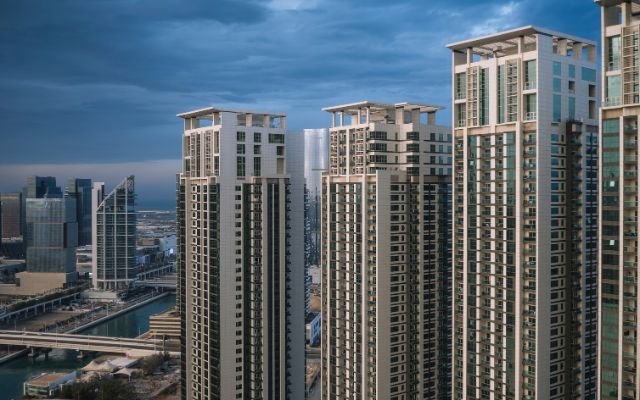
Looking ahead, both Dubai and Abu Dhabi are poised for growth, albeit in different ways.
Dubai is likely to continue its trend of attracting international investors, especially with ongoing projects that enhance its infrastructure and appeal. The city’s commitment to innovation and technology will also play a vital role in shaping its future property market.
Meanwhile, Abu Dhabi is expected to focus on sustainable development and quality living. As the government continues to invest in cultural and recreational projects, the city is likely to see a rise in both local and international interest in its property sector.
Deciding between the Dubai vs Abu Dhabi property markets ultimately comes down to individual investment goals and preferences. Dubai offers a fast-paced, dynamic environment with high potential returns, while Abu Dhabi provides a more stable and family-oriented approach to property investment.
Understanding the nuances of each market, including their performances and investor appeal, is crucial for making informed decisions. Whether you lean towards the excitement of Dubai or the tranquility of Abu Dhabi, both cities present unique opportunities that can align with your investment aspirations.
Do Follow Estate Magazine on Instagram
Read More:- UAE Real Estate Prices & Rents 2025: 7 Powerful Market Insights