In today’s rapidly evolving urban landscape, the intersection of smart cities and real estate is becoming increasingly significant. Technology and PropTech are not just buzzwords; they are transforming how we experience property. From enhancing living conditions to streamlining property transactions, the impact of these advancements is profound. As urban areas grow and evolve, understanding this transformation is essential for residents, investors, and developers alike.
As populations surge, cities are confronted with unique challenges, from traffic congestion to environmental sustainability. Smart cities emerge as a solution, leveraging technology to create more efficient, livable environments.
Smart cities utilize data and connectivity to improve infrastructure, optimize transportation, and enhance public services. By integrating digital technology into urban planning, cities can better respond to the needs of their residents. This shift creates a demand for innovative real estate solutions that align with smart city initiatives.
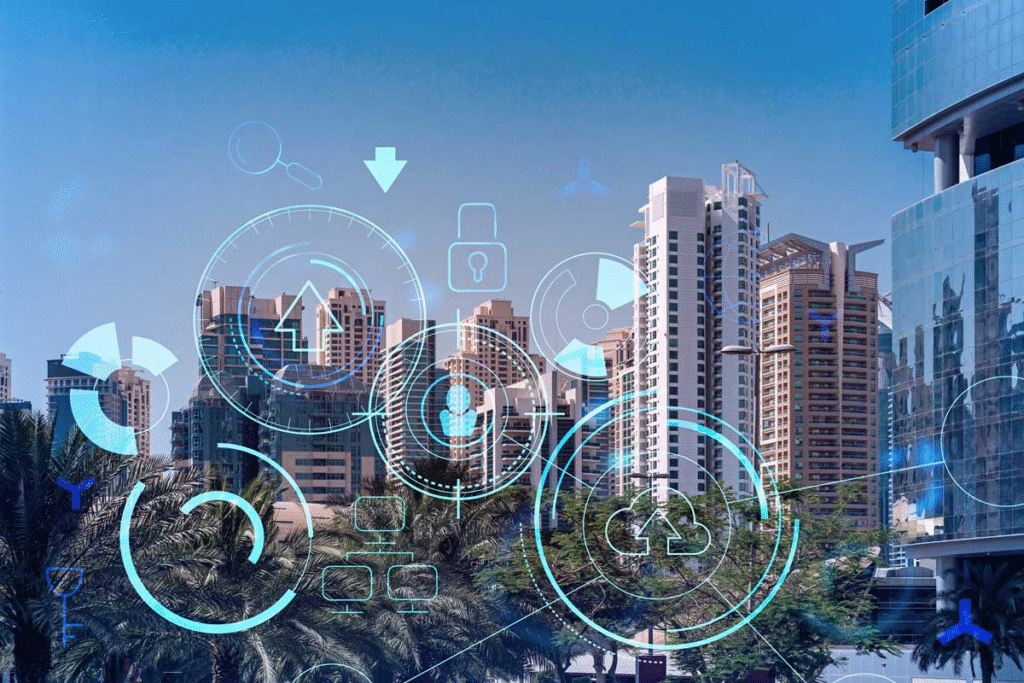
PropTech, or property technology, refers to the innovative use of technology in real estate. This sector is experiencing rapid growth, driven by advancements in artificial intelligence, data analytics, and the Internet of Things (IoT).
PropTech is reshaping various aspects of real estate, from property management to sales and leasing. Technology empowers stakeholders to make informed decisions, leading to more efficient operations and enhanced customer experiences.
As smart cities evolve, technology is enhancing property experiences in several ways:
1. Enhanced Connectivity and Smart Homes
Modern properties are becoming increasingly connected. Smart home technologies allow residents to control lighting, heating, and security systems from their devices. This not only enhances comfort but also promotes energy efficiency.
In smart cities, properties equipped with IoT devices can communicate with city infrastructure, optimizing energy use and improving overall living conditions. For instance, smart thermostats can adjust heating based on real-time weather data, reducing energy consumption.
2. Data-Driven Decision Making
Data is at the heart of smart cities and PropTech. By harnessing big data, real estate professionals can analyze market trends, understand consumer preferences, and make strategic decisions.
This data-driven approach enables developers to identify prime locations for new projects, investors to assess property values accurately, and buyers to find homes that meet their specific needs. As a result, property experiences become more personalized and efficient.
3. Streamlined Transactions
Technology is streamlining the real estate transaction process. Virtual tours, online listings, and digital paperwork are just a few examples of how technology is making buying and selling properties easier.
In smart cities, blockchain technology is being explored to create secure, transparent transaction processes. This innovation could reduce fraud and increase trust among parties involved in real estate transactions, further enhancing property experiences.
4. Sustainable Development Practices
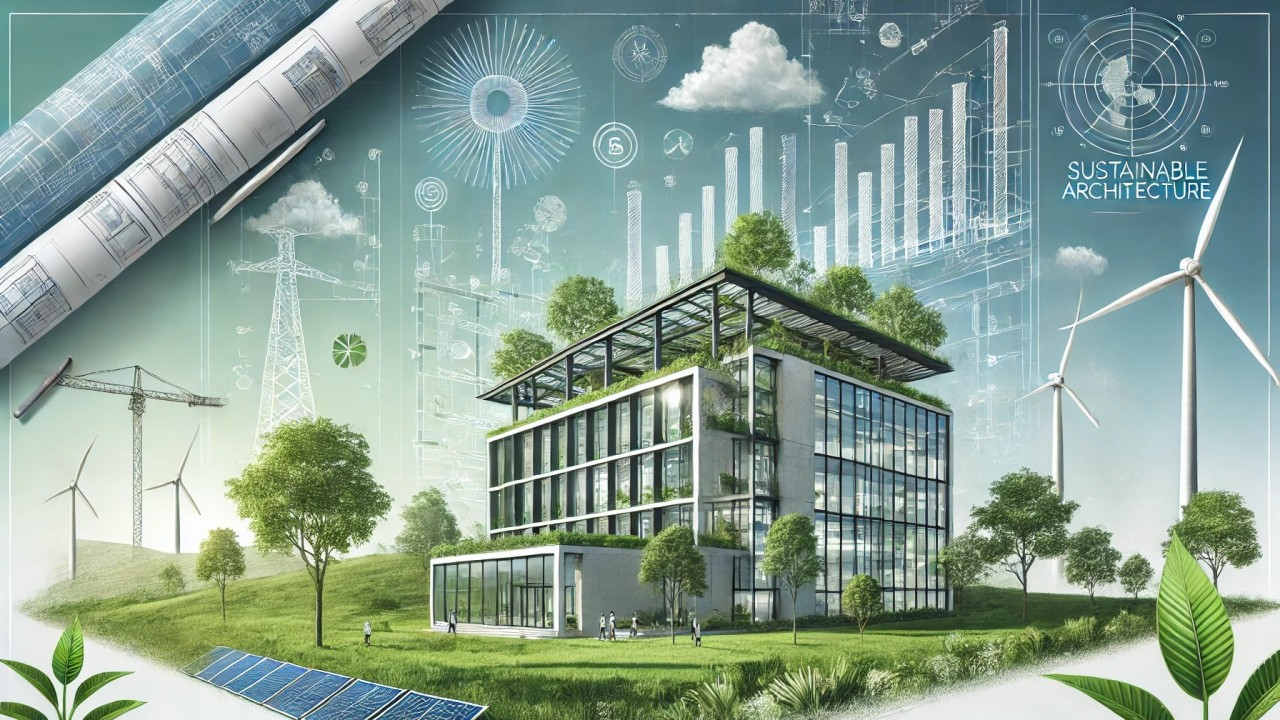
Sustainability is a crucial aspect of smart cities. Technology is facilitating greener building practices, from energy-efficient designs to eco-friendly materials. PropTech companies are developing solutions that track a building’s energy consumption and carbon footprint, allowing for improvements and certifications.
Sustainable development not only benefits the environment but also appeals to modern buyers who prioritize eco-friendly living. As smart cities continue to prioritize sustainability, properties that meet these standards will become increasingly valuable.
Community engagement is essential in the development of smart cities. Technology enables residents to participate in urban planning and decision-making through online platforms and applications.
This involvement fosters a sense of ownership and responsibility among residents, leading to more vibrant communities. Real estate developers who prioritize community engagement can create properties that truly reflect the needs and desires of their residents, enhancing overall property experiences.
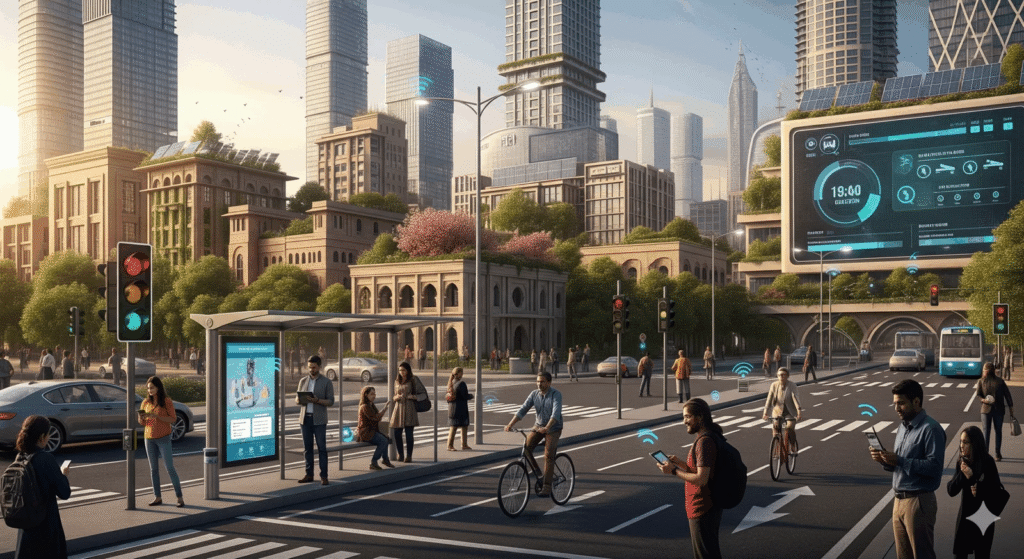
The future of smart cities and real estate looks promising. As technology continues to advance, we can expect even more innovative solutions that enhance property experiences.
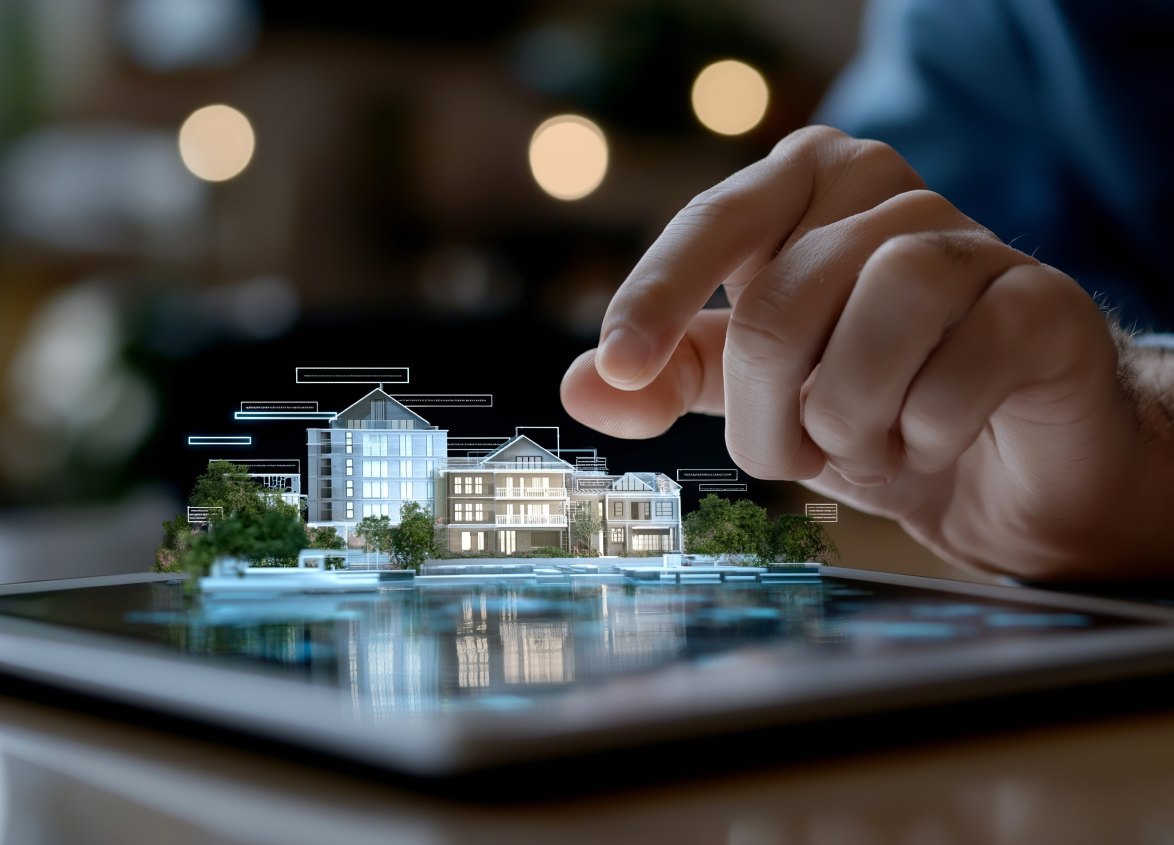
From augmented reality tools that allow potential buyers to visualize properties to AI-driven property management systems, the possibilities are endless. As urban areas continue to grow, the partnership between smart cities and real estate will become increasingly critical in shaping the future of urban living.
The transformation of real estate through technology and PropTech in smart cities is not just a trend; it is a fundamental shift that is reshaping how we live, work, and interact within urban environments. As we embrace these advancements, it is crucial for all stakeholders to adapt and innovate, ensuring that property experiences remain enriching and fulfilling.
In a world where technology plays an integral role in our daily lives, understanding how smart cities and PropTech are transforming real estate will empower individuals and communities to thrive in this new urban era.
Do Follow Estate Magazine on Instagram
Read More:- Investor & Buyer Focus: 5 Smart Ways to Dominate Real Estate Success