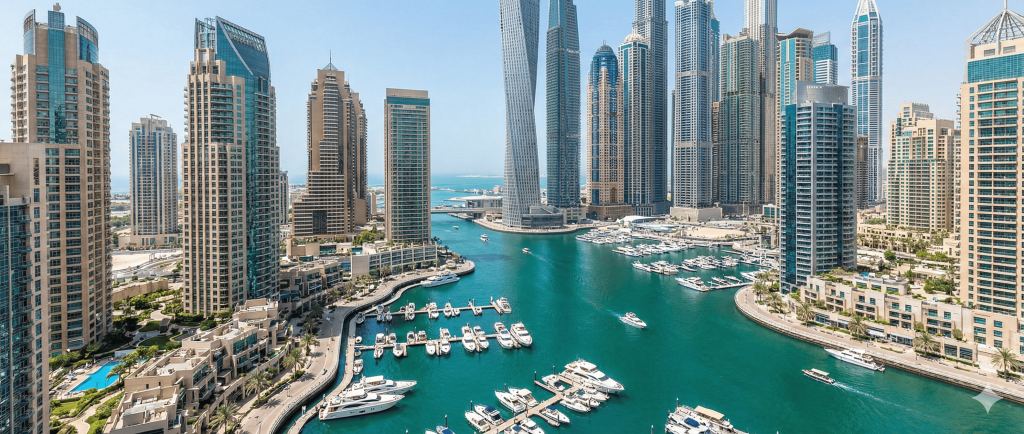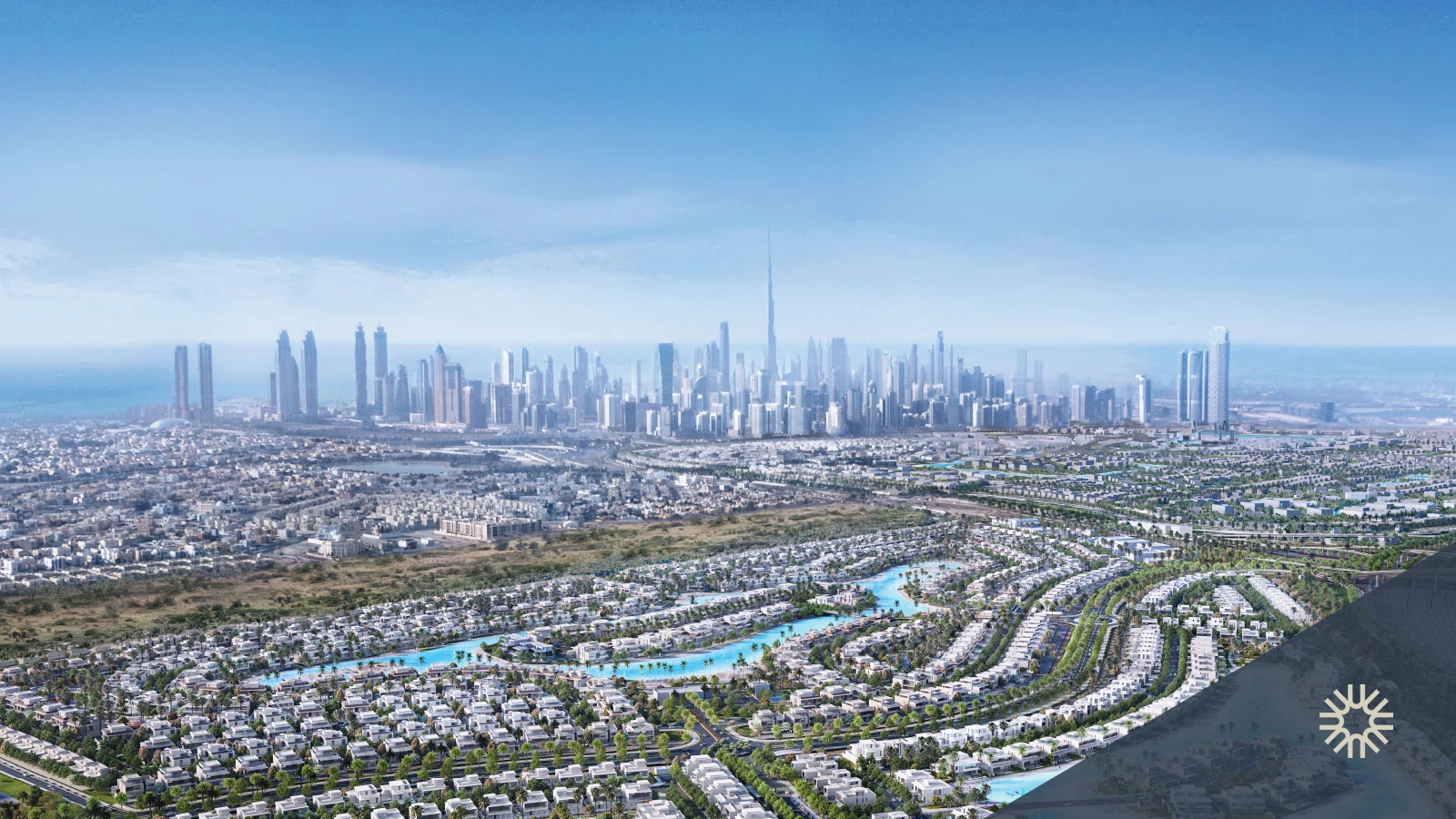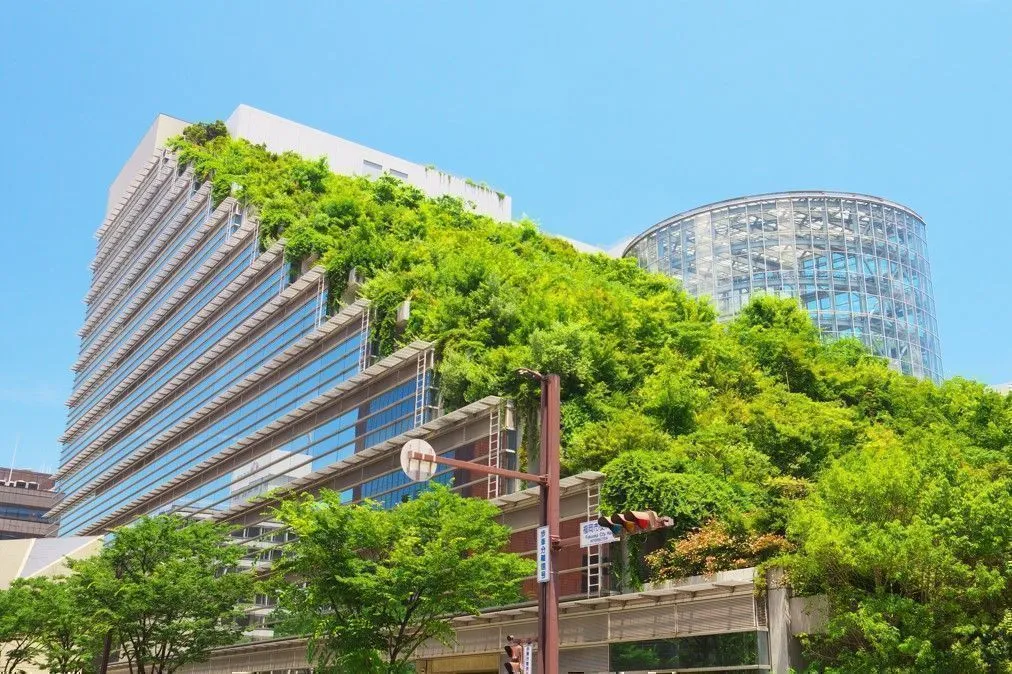
In recent years, the conversation around sustainability and green building trends in luxury developments has gained significant momentum. As the world grapples with climate change and environmental degradation, luxury real estate is no longer solely about opulence; it’s increasingly about responsibility and stewardship. Homebuyers and investors are seeking properties that not only provide exquisite living experiences but also demonstrate a commitment to sustainability. This shift is redefining luxury, making sustainability a key component of modern developments.
The luxury market is undergoing a paradigm shift. Gone are the days when lavishness alone dictated desirability. Today’s affluent consumers are more environmentally conscious, prioritizing sustainability in their purchasing decisions. This change is propelled by awareness of the ecological crisis, leading to a desire for homes that contribute positively to the environment.
Luxury developments are responding to this demand by integrating sustainable practices throughout the design and construction processes. These practices not only reduce environmental impact but also enhance the overall appeal of properties. As a result, sustainability and green building trends in luxury developments are not just a passing fad; they are becoming essential elements of the luxury real estate landscape.
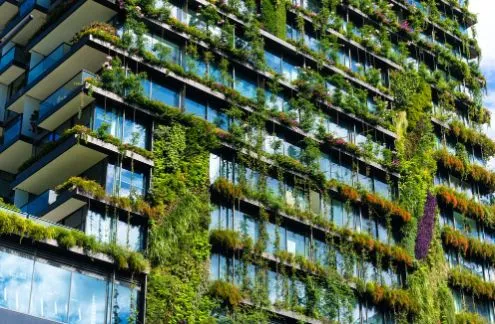
Luxury developments are increasingly incorporating a variety of sustainable features. These elements not only enhance the aesthetic and functional aspects of a home but also contribute to its environmental footprint. Here are some of the most common features seen in contemporary luxury properties:
Energy Efficiency
One of the primary aspects of sustainability in luxury developments is energy efficiency. High-performance insulation, energy-efficient windows, and advanced HVAC systems are becoming standard. These features not only reduce energy consumption but also lower utility costs, making the property more appealing to potential buyers.
Water Conservation
Innovative water-saving technologies are being integrated into luxury homes. Rainwater harvesting systems, greywater recycling, and drought-resistant landscaping are just a few examples of how luxury developments are addressing water scarcity and promoting responsible water use.
Sustainable Materials
The choice of materials plays a crucial role in sustainable luxury building trends. Developers are increasingly opting for reclaimed wood, recycled metals, and low-VOC paints. These materials not only minimize environmental impact but also add a unique character to the homes.
Renewable Energy Sources
Many luxury developments are turning to renewable energy sources, such as solar panels and geothermal heating. These technologies not only reduce reliance on fossil fuels but also provide homeowners with long-term energy savings and potential tax benefits.
Smart Home Technology
The integration of smart home technology significantly enhances the sustainability of luxury developments. Smart thermostats, energy monitoring systems, and automated lighting can optimize energy use, allowing homeowners to control their consumption and reduce waste.
Investing in sustainability and green building trends in luxury developments is not just an ethical choice; it can also be a financially sound decision. Properties that incorporate sustainable features often see higher resale values and quicker sales. As awareness of environmental issues continues to grow, buyers are increasingly willing to pay a premium for homes that align with their values.
Moreover, many sustainable building practices lead to reduced operational costs. Energy-efficient systems and water-saving technologies can significantly lower utility bills, providing homeowners with ongoing savings. This financial incentive serves as a powerful motivator for both developers and buyers to embrace sustainability.
In addition to market demand, regulations and certifications are driving the adoption of sustainable practices in luxury developments. Local governments are increasingly implementing stricter building codes that prioritize energy efficiency and sustainability. Furthermore, certifications such as LEED (Leadership in Energy and Environmental Design) and BREEAM (Building Research Establishment Environmental Assessment Method) are becoming benchmarks for quality in luxury real estate. These certifications not only validate a property’s green credentials but also enhance its marketability.
As sustainability continues to evolve, so will the trends in luxury developments. Here are some anticipated future trends that will shape the landscape:
Biophilic Design
The concept of biophilic design, which connects people with nature through architecture, is gaining traction. Future luxury developments are likely to feature more green spaces, natural light, and organic materials, creating a harmonious living environment that enhances well-being.
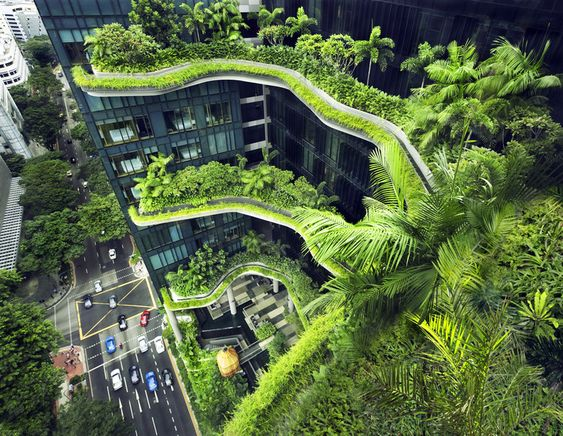
With a growing emphasis on combating climate change, many luxury developers are setting ambitious goals for carbon neutrality. This may involve offsetting emissions through renewable energy projects or investing in carbon capture technologies, further aligning luxury living with environmental stewardship.
Community-Focused Designs
Sustainability is moving beyond individual properties to encompass entire communities. Future luxury developments may focus on creating sustainable neighborhoods that promote walkability, social interaction, and shared resources, enriching the living experience for residents.
The integration of sustainability and green building trends in luxury developments is reshaping the definition of luxury living. As affluent buyers increasingly prioritize environmental responsibility, developers are responding with innovative designs and eco-friendly features. This evolution benefits not only homeowners but also the planet, creating a more sustainable future for generations to come.
Embracing sustainability in luxury real estate is no longer optional; it is a necessary evolution in an ever-changing world. As we move forward, the commitment to green building practices will undoubtedly define the luxury market, making it more desirable, responsible, and ultimately fulfilling.
Do Follow Estate Magazine on Instagram
Read More:- Dubai Retail & Office Space Trends: Insights for 2026