
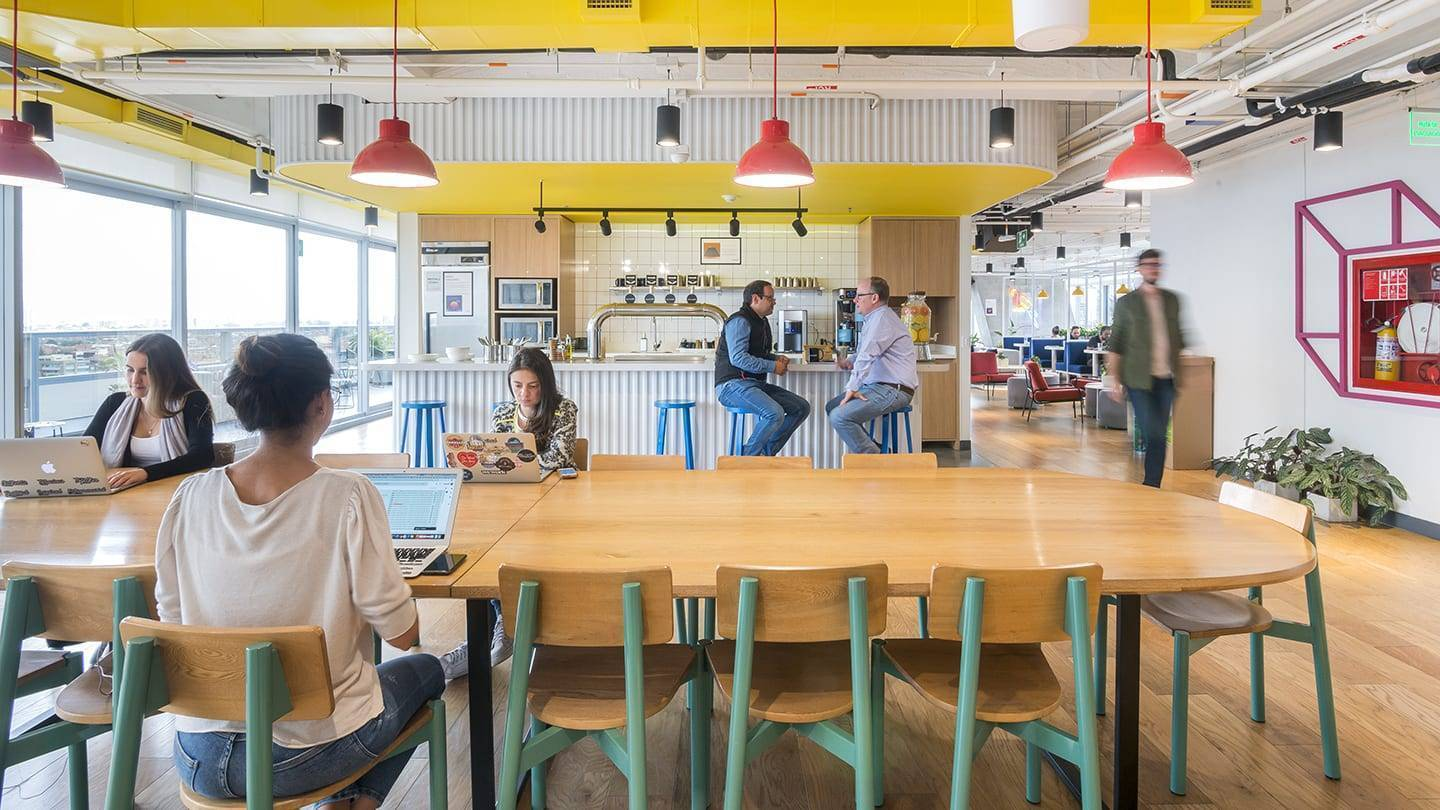
The rise of co-working spaces has transformed the landscape of commercial rentals, driving change in how businesses operate, lease, and thrive. With flexibility and community at their core, these innovative workspaces are not just a trend; they represent a fundamental shift in how we think about work environments. As we delve deeper, we will explore how co-working are reshaping commercial rentals and the implications for businesses and landlords alike.
In today’s fast-paced economy, businesses are increasingly seeking flexible solutions to meet their evolving needs. Traditional commercial rentals often come with long-term leases and rigid terms that can stifle a company’s agility. Co-working spaces, on the other hand, provide short-term leases and customizable options, making them an appealing choice for startups, freelancers, and even established companies looking to downsize or pivot.
This shift towards flexibility has prompted landlords to rethink their strategies. Many are now incorporating co-working spaces into their properties to attract a broader tenant base. This integration allows landlords to cater to diverse clientele and maximize occupancy rates, leading to more profitable ventures.

One of the most significant advantages of co-working spaces is the sense of community they foster. Unlike traditional offices, co-working environments encourage collaboration and networking among diverse professionals. This communal aspect not only enhances productivity but also creates a supportive ecosystem for entrepreneurs and freelancers.
As a result, businesses that choose co-working spaces often experience increased creativity and innovation. The collaborative atmosphere encourages individuals to share ideas, resources, and expertise, leading to new partnerships and opportunities. Consequently, this has led many commercial property owners to consider creating community-oriented spaces to attract tenants focused on collaboration.
Cost is a crucial factor in any business decision, and co-working spaces offer a financial edge. With shared amenities and services, co-working spaces can significantly reduce overhead costs. Companies can avoid hefty upfront investments in office infrastructure, allowing them to allocate those resources towards growth and development.
This cost-effectiveness is particularly attractive to startups and small businesses, which often operate on tight budgets. As co-working spaces continue to gain popularity, landlords are recognizing the need to adapt their offerings to accommodate this demand. Properties that feature co-working spaces can command higher rents while still appealing to budget-conscious tenants.
Technology plays a vital role in the evolution of co-working spaces and their impact on commercial rentals. With the rise of remote work and digital nomadism, co-working spaces have embraced advanced technology to create seamless experiences for their users. High-speed internet, smart conference rooms, and innovative booking systems are just a few examples of how technology enhances the co-working environment.
Landlords who incorporate cutting-edge technology into their commercial properties can attract tech-savvy tenants looking for modern solutions. As the demand for co-working spaces continues to grow, landlords must stay ahead of the curve by investing in technology to enhance the tenant experience.
The pandemic has accelerated the adoption of hybrid work models, where employees split their time between remote work and the office. Co-working spaces are uniquely positioned to support this trend, offering the flexibility that modern workers crave. Companies can rent co-working spaces on an as-needed basis, allowing them to adjust their office presence in response to changing workforce dynamics.
This shift has prompted a reevaluation of traditional commercial leases. Landlords are now considering more adaptable leasing arrangements that align with the needs of businesses embracing hybrid work. As a result, we may see a decline in long-term leases and an increase in flexible rental agreements.
As sustainability becomes a priority for consumers and businesses alike, co-working spaces are leading the way in environmentally friendly design. Many co-working facilities are incorporating sustainable practices, such as energy-efficient lighting, recycled materials, and green spaces. This focus on sustainability not only appeals to environmentally conscious tenants but also enhances the overall aesthetic and functionality of the workspace.
Landlords who prioritize sustainability in their commercial properties can attract tenants who value eco-friendly practices. This shift towards sustainable co-working spaces is reshaping the market, encouraging landlords to innovate and create greener environments.

The rise of co-working spaces is undoubtedly reshaping commercial rentals, but what does this mean for traditional office spaces? As businesses increasingly opt for flexible solutions, traditional office spaces may face challenges in maintaining occupancy rates. Landlords of conventional properties must adapt to the changing landscape by offering more flexible lease options or integrating co-working elements into their buildings.
The competition between co-working spaces and traditional office environments is pushing landlords to rethink their strategies. Many are beginning to see the value in hybrid models that combine private offices with shared co-working areas, allowing them to cater to a wider range of clients.
Co-working spaces are undeniably reshaping the landscape of commercial rentals, providing a flexible, cost-effective, and community-oriented alternative to traditional office environments. As businesses continue to embrace this new way of working, landlords must adapt to the changing demands of the market.
By integrating co-working spaces, focusing on sustainability, and leveraging technology, property owners can create attractive environments that meet the needs of modern businesses. The future of commercial rentals lies in flexibility and collaboration, and co-working spaces are at the forefront of this transformation.
Do Follow Estate Magazine on Instagram
Read More:- Warehousing and Industrial Property Demand Today: 7 Powerful Trends Driving Massive Growth