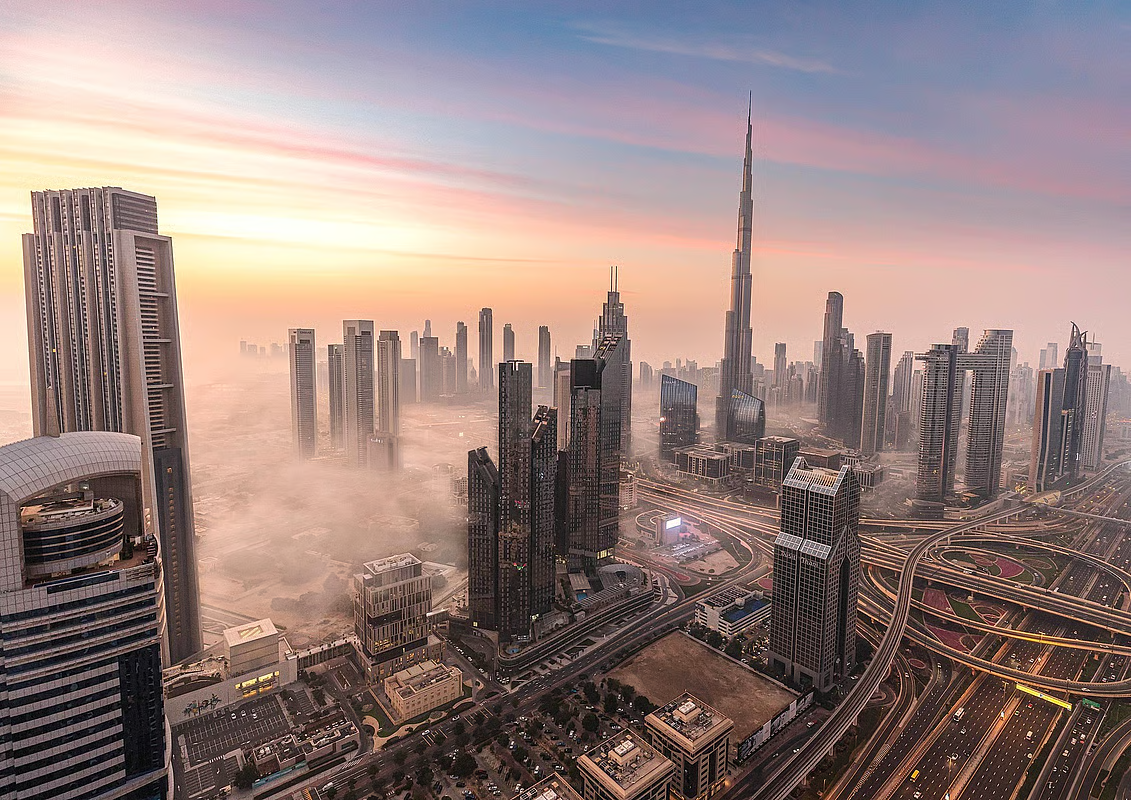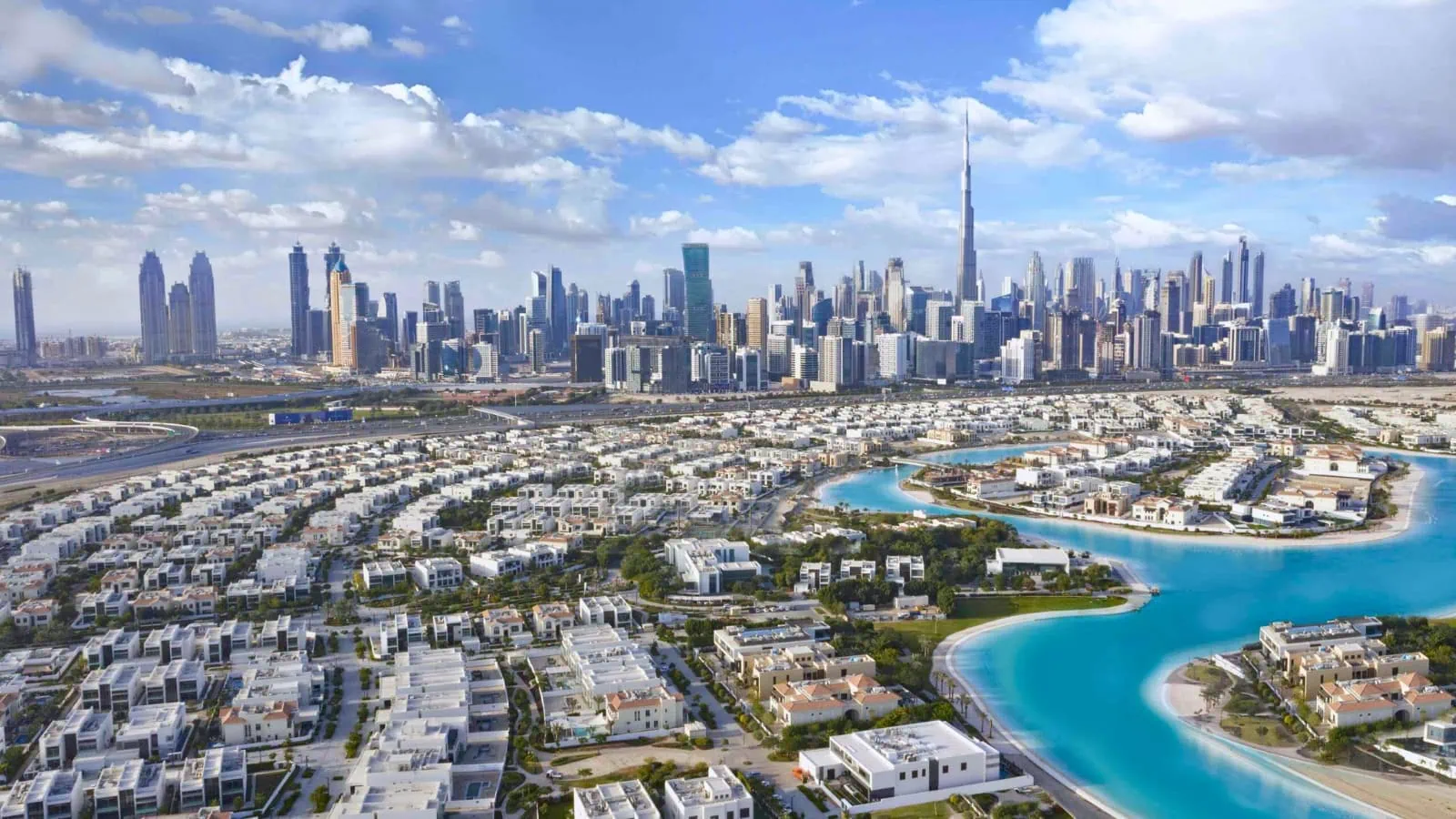
The foreign investor community has become a significant driving force in the global market, particularly in regions like South Asia, Europe, and the MENA (Middle East and North Africa) region. As these areas continue to develop economically, the influx of foreign investment is reshaping industries, catalyzing innovation, and fostering growth. Understanding the dynamics of this community reveals how their investments are transforming these regions, creating opportunities for businesses and improving local economies.
Foreign investment is not just about capital; it embodies trust, shared knowledge, and a commitment to mutual growth. In South Asia, Europe, and MENA, foreign investors are attracted by various factors, including favorable economic policies, emerging markets, and strategic locations. This article explores how the foreign investor community is driving demand in these regions.
South Asia has emerged as a vibrant hub for foreign investment, thanks to its young demographic and rapid urbanization. Countries like India, Bangladesh, and Sri Lanka are witnessing significant inflows of foreign capital across various sectors, including technology, manufacturing, and real estate. The foreign investor community plays a crucial role in this transformation.
Investors are particularly drawn to the tech ecosystem in India, where startups are flourishing. The government’s push for digitalization and innovation has created a fertile ground for foreign venture capitalists looking to tap into the potential of a billion consumers. Additionally, infrastructure development projects in Bangladesh and Sri Lanka present lucrative opportunities for foreign firms seeking to expand their footprint.
Europe has long been a destination for foreign investors, offering stability, advanced infrastructure, and a skilled workforce. The foreign investor community in Europe is diverse, with participants from Asia, the Americas, and the Middle East, each bringing unique perspectives and resources.
The European Union’s regulatory framework provides a conducive environment for investment, ensuring protection and transparency. Key sectors attracting foreign interest include renewable energy, technology, and healthcare. The push towards sustainable practices has seen increased investments in green technologies, making Europe a leader in the global transition to a more sustainable economy.
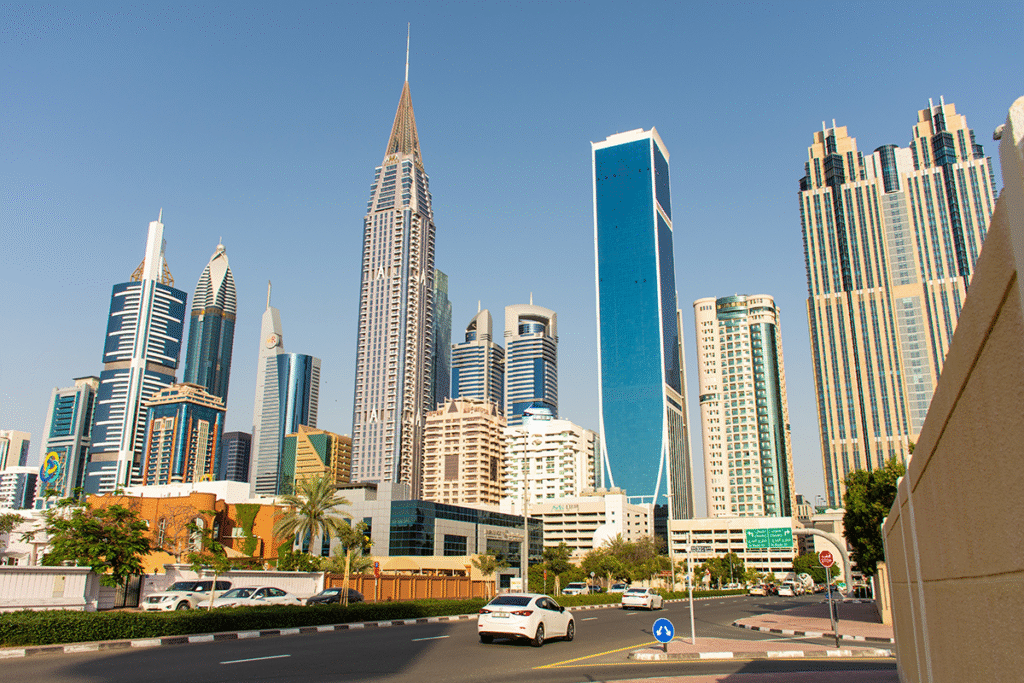
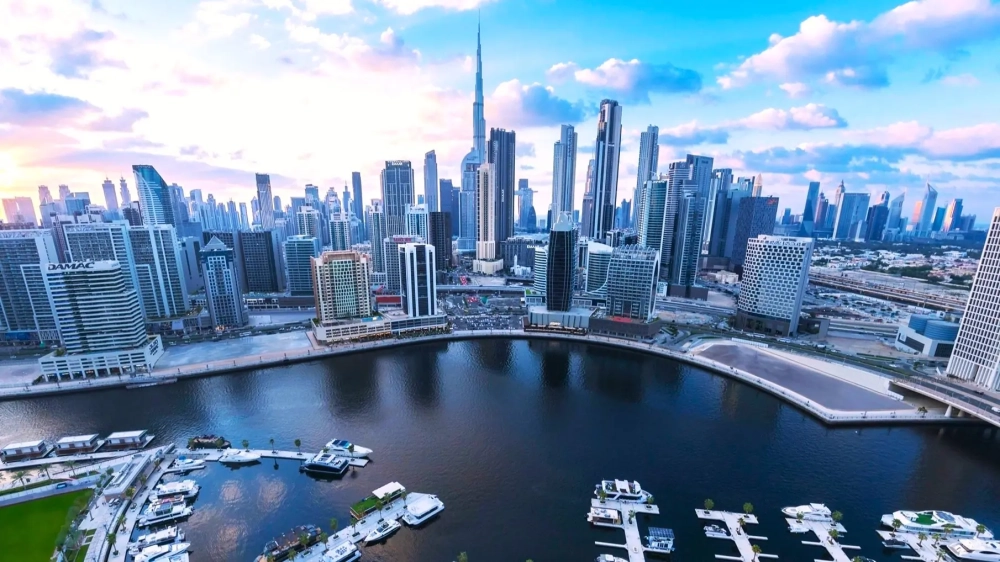
The MENA region is often viewed as a land of opportunity, especially for the foreign investor community. Countries like the UAE, Saudi Arabia, and Egypt are making significant strides in diversifying their economies away from oil dependency. The Vision 2030 initiative in Saudi Arabia, for example, aims to attract foreign investment by fostering growth in sectors such as tourism, entertainment, and technology.
Foreign investors are captivated by the region’s strategic location, which serves as a gateway between Europe, Asia, and Africa. The community’s involvement has been pivotal in building infrastructure, enhancing trade routes, and developing smart cities. The burgeoning startup ecosystem in places like Dubai and Cairo reflects the growing interest of foreign investors in the region’s innovation landscape.
The influence of the foreign investor community extends beyond mere financial contributions. Their presence often leads to job creation, skill development, and technology transfer, significantly impacting local economies.
In South Asia, for instance, foreign investments in manufacturing have resulted in the establishment of new factories, providing employment opportunities for thousands. In Europe, foreign-owned firms contribute significantly to local tax revenues, which can be reinvested into public services. In the MENA region, the influx of capital aids in building infrastructure that benefits both residents and businesses.
Despite the opportunities, the foreign investor community faces several challenges. Political instability, regulatory hurdles, and cultural differences can hinder investment flows. In South Asia, bureaucratic red tape can delay project approvals, while in Europe, fluctuating economic conditions may affect investor confidence.
In the MENA region, geopolitical tensions can deter foreign investors, causing them to weigh their options carefully. Understanding these challenges is crucial for both investors and local governments to create a more welcoming environment for foreign investment.
The future of the foreign investor community looks promising as global economies continue to interconnect. With advancing technology and shifting consumer preferences, new sectors are likely to attract foreign investment. As nations prioritize sustainability, the demand for green technologies will grow, providing ample opportunities for investors willing to adapt.
Moreover, the rise of digital platforms and e-commerce is reshaping traditional business models. The foreign investor community will need to remain agile, embracing innovation to stay ahead in an ever-evolving landscape.
The foreign investor community is undeniably driving demand across South Asia, Europe, and MENA. By facilitating capital flow, fostering innovation, and enhancing infrastructure, foreign investors play a critical role in the development of these regions. As we look to the future, collaboration between local governments and the foreign investor community will be essential for sustainable growth and mutual benefit.
With a clear understanding of the unique opportunities and challenges present in each region, the foreign investor community can continue to thrive, paving the way for a more interconnected and prosperous global economy.
Do Follow Estate Magazine on Instagram
Read More:- Luxury Property Boom: 7 Powerful Reasons Ultra-Premium USD 10M+ Homes Are Surging