Investing in real estate has long been a cornerstone for generating wealth, and in recent years, the interest of institutional capital in property income streams has surged, particularly in vibrant markets like Dubai. Dubai Residential REIT investors are uniquely positioned to capitalize on the growth of this dynamic city, making them key players in the realm of real estate investment trusts (REITs). This article delves into how institutional capital is transforming the landscape of property income streams in Dubai and what it means for investors.
Dubai’s real estate market is a melting pot of opportunities, characterized by a blend of luxury residential developments and innovative investment vehicles. Over the past few decades, the city has evolved into a global hub, attracting a diverse pool of residents and investors. The government’s commitment to economic diversification and its strategic location further enhance its appeal.
As Dubai continues to attract expatriates and international businesses, the demand for residential properties remains robust. This demand creates lucrative opportunities for Dubai Residential REIT investors, who are increasingly turning to institutional capital to support their ventures and expand their portfolios.
A Residential REIT is a company that owns, operates, or finances income-generating residential properties. These trusts pool funds from multiple investors to acquire and manage real estate assets, offering shareholders a share of the income produced from these properties.
In Dubai, the emergence of Residential REITs has been instrumental in streamlining investment processes, allowing institutional investors to gain exposure to the residential market without the need to directly manage properties. This not only reduces risks but also enhances liquidity, making it an attractive option for capital-seeking institutions.
Institutional capital plays a pivotal role in shaping the real estate landscape in Dubai. With entities such as pension funds, insurance companies, and sovereign wealth funds looking for stable, long-term returns, they find Dubai’s residential market appealing.
Investors are drawn to the promise of consistent income streams from rental properties, which can provide a hedge against inflation. The influx of institutional capital has led to increased competition and development of higher-quality residential properties, ultimately benefiting both investors and tenants.
Investing in Dubai Residential REITs offers several advantages for institutional investors.
Firstly, these trusts provide diversified exposure to the real estate market. By investing in a REIT, investors can spread their risk across various properties rather than concentrating on a single asset.
Secondly, Dubai’s regulatory framework enhances investor confidence, ensuring transparency and stability. The Dubai Financial Market regulates REITs, providing a structured environment that attracts institutional capital.
Moreover, the potential for attractive yields is a significant draw. As the population continues to grow and the economy expands, the demand for rental properties is expected to rise, leading to increased income potential for REIT investors.
While there are many opportunities, Dubai Residential REIT investors must also navigate certain challenges.
Market volatility can impact property values and rental yields. Institutional investors need to conduct thorough due diligence to mitigate risks associated with fluctuating market conditions.
Additionally, regulatory changes can create uncertainties. Staying informed about governmental policies and real estate laws is crucial for investors looking to maintain their competitive edge.
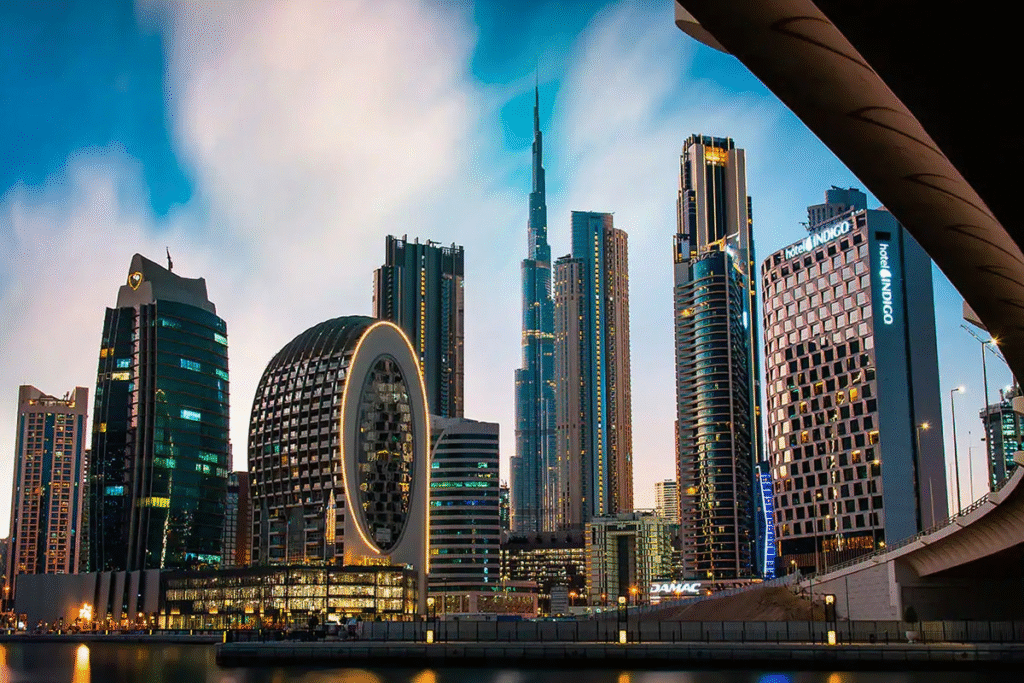
Looking ahead, the future of Dubai Residential REITs appears promising. Innovations in technology and data analytics are transforming how investors approach real estate. Smart buildings equipped with advanced technologies can enhance tenant experiences, leading to higher occupancy rates.
Furthermore, sustainability is becoming a key focus. Investors are increasingly looking for properties that meet environmental standards. As Dubai pushes towards a greener future, REITs that prioritize sustainability may find themselves at an advantage.
The rise of co-living spaces and flexible housing options is another trend that could reshape the residential market. As preferences evolve, Dubai Residential REIT investors will need to adapt to meet the changing demands of residents.
Dubai Residential REIT investors are tapping into a market rich with potential, driven by the influx of institutional capital and a growing demand for residential properties. The combination of favorable regulations, diversified investment opportunities, and the promise of stable income streams positions Dubai as an attractive destination for long-term real estate investments.
As the city continues to thrive and evolve, the prospects for REIT investors remain bright. By understanding market dynamics and embracing innovative trends, these investors can successfully navigate the challenges and capitalize on the benefits of investing in Dubai’s residential real estate sector.
Do Follow Estate Magazine on Instagram
Read More:– Private Equity Real Estate Funds in GCC: 7 Powerful Opportunities in Commercial & Logistics