
In today’s fast-paced commercial landscape, institutional leasing and logistics property interest has emerged as a vital strategy for businesses seeking to diversify their portfolios. The rapid evolution of consumer behavior and technology demands that companies adapt and innovate. By focusing on institutional leasing, businesses can not only secure high-quality assets but also enhance their operational flexibility and market reach. This article explores the nuances of institutional leasing in logistics and its role in commercial diversification.
Institutional leasing refers to long-term agreements where large-scale properties are leased to reputable tenants, often institutions like universities, hospitals, or corporate entities. In the logistics arena, this involves leasing properties specifically designed for warehousing, distribution, and supply chain operations.
The significance of logistics properties cannot be overstated. With e-commerce booming and global supply chains expanding, the demand for efficient logistics spaces has surged. Institutional leasing in this sector allows businesses to secure stable, long-term income streams while minimizing the risks associated with property ownership.
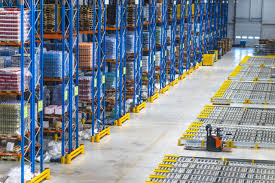
Choosing institutional leasing for logistics properties presents numerous advantages for companies looking to diversify their commercial interests.
One of the primary benefits is stability. Institutional leases are often long-term, providing tenants with predictable costs and landlords with reliable income. This stability is particularly appealing in the logistics sector, where fluctuating demand can impact profitability.
Moreover, institutional leasing can also enhance operational efficiency. By securing strategically located logistics properties, companies can optimize their supply chain processes, reducing transit times and costs. This leads to improved customer satisfaction and allows businesses to respond swiftly to changing market demands.
Commercial diversification is an essential strategy for mitigating risk and enhancing growth opportunities. Institutional leasing plays a significant role in this by offering businesses the chance to expand their real estate portfolios without the burdens of direct ownership.
Investing in logistics properties through institutional leasing allows companies to tap into various markets and sectors. For instance, a business focusing primarily on retail can diversify its interests by leasing warehouse spaces tailored for e-commerce fulfillment. This not only spreads risk but also opens doors to new revenue streams.
Additionally, institutional leasing in logistics can facilitate geographic diversification. Companies can establish a presence in multiple regions, enhancing their distribution capabilities and ensuring they are well-positioned to meet local demands.
The integration of technology into institutional leasing and logistics has revolutionized the industry. Advanced data analytics and property management software allow companies to make informed leasing decisions, optimizing their portfolios.
For example, predictive analytics can forecast demand trends, helping businesses choose the right logistics properties in the right locations. Furthermore, smart technology in warehouses can enhance operational efficiency, from inventory management to automated fulfillment processes.
As companies embrace these technological advancements, the potential for growth through institutional leasing becomes even more pronounced. Businesses that effectively leverage technology will likely see a significant advantage in their logistics operations.
While institutional leasing offers substantial benefits, it is essential to recognize the challenges inherent in this strategy as well. One of the primary hurdles is the initial cost involved. Securing high-quality logistics properties often requires significant capital investment, which may be daunting for smaller businesses.
Additionally, the leasing process can be complex and time-consuming. Companies must navigate various regulations, negotiate terms, and ensure compliance with local zoning laws. This complexity can deter some businesses from pursuing institutional leasing as a viable option.
However, by understanding these challenges and working with knowledgeable real estate professionals, businesses can effectively navigate the leasing landscape and reap the rewards of institutional leasing.

As the commercial landscape evolves, several trends are shaping the future of institutional leasing and logistics properties. One significant trend is the growing emphasis on sustainability. Many businesses are now prioritizing eco-friendly practices, seeking logistics properties that align with their sustainability goals.
This shift presents opportunities for institutional leasing companies to invest in green buildings and sustainable logistics solutions. Properties equipped with energy-efficient systems and sustainable materials will increasingly attract tenants looking to bolster their environmental credentials.
Another trend is the rise of urban logistics. As urbanization continues, the demand for last-mile delivery solutions is growing. Institutional leasing in urban areas will become increasingly important, enabling businesses to meet the needs of city-dwelling consumers more efficiently.
Institutional leasing and logistics property interest represent a powerful combination for businesses aiming for commercial diversification. By securing long-term leases on strategically located logistics properties, companies can enhance their operational efficiency and mitigate risks associated with market fluctuations.
The advantages of stability, geographic diversification, and the integration of technology make institutional leasing an attractive option in today’s competitive landscape. As the industry continues to evolve, embracing this approach will be crucial for businesses looking to thrive and adapt to changing market dynamics.
Incorporating institutional leasing into your business strategy could be the key to unlocking new growth avenues and ensuring lasting success in the logistics sector.
Do Follow Estate Magazine on Instagram
Read More:- Buying Property in Dubai: Ultimate Step-By-Step Guide 2026