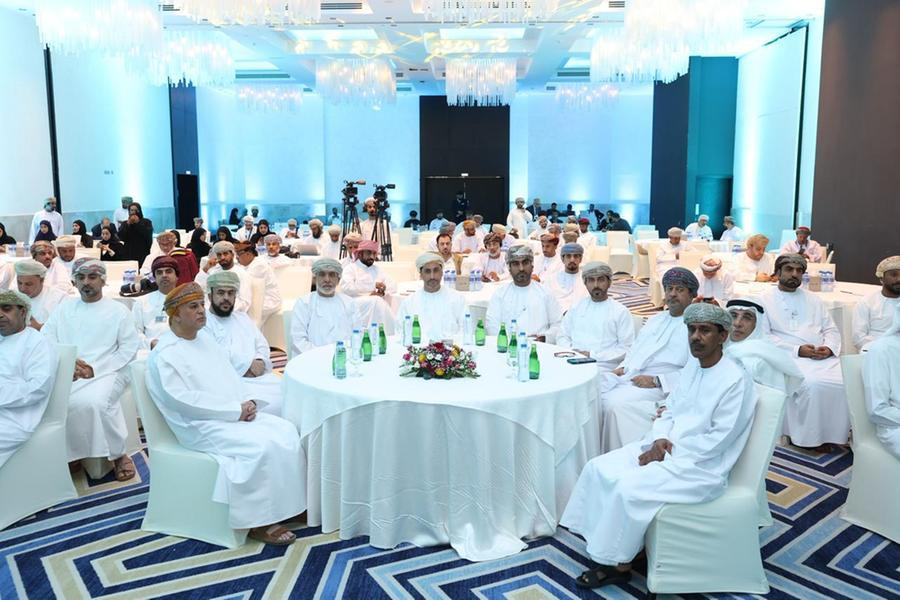
The foreign investor community plays a pivotal role in shaping economic landscapes across South Asia, Europe, and the MENA region. As globalization continues to break down barriers, these investors are not just passive players; they are significant drivers of demand, influencing everything from real estate to technology and infrastructure. Understanding the dynamics of this community unveils a world of opportunities and challenges that are crucial for anyone looking to navigate the future of investments.
South Asia, with its burgeoning markets and young population, has become an attractive destination for foreign investors. The foreign investor community in this region is witnessing a surge in demand, thanks to several factors.
The rapid urbanization and development of infrastructure in countries like India, Bangladesh, and Pakistan are creating fertile ground for investment. Additionally, the rise of a middle class eager for new products and services is compelling foreign investors to tap into these markets. Sectors such as technology, consumer goods, and renewable energy are particularly appealing due to their growth potential.
Moreover, government initiatives aimed at improving the ease of doing business are further driving demand. Policies encouraging foreign direct investment (FDI) have opened doors for international players, enhancing the overall investment climate. This evolving landscape is not just a trend; it signifies a long-term shift towards greater economic integration and opportunity.

Europe has long been a magnet for foreign investors, and the current climate continues to drive demand in various sectors. The foreign investor community finds Europe appealing due to its stable economies, advanced infrastructure, and high standard of living.
The post-pandemic recovery has catalyzed a renewed interest in sectors such as healthcare, technology, and sustainable energy. Investors are increasingly focused on businesses that align with global sustainability goals, making green technology and renewable energy sectors particularly attractive.
Furthermore, the European Union’s regulatory framework provides a level of security and predictability that foreign investors crave. This stability encourages investments not only in traditional sectors but also in innovative startups, ensuring a diverse economic landscape that fosters growth and demand.
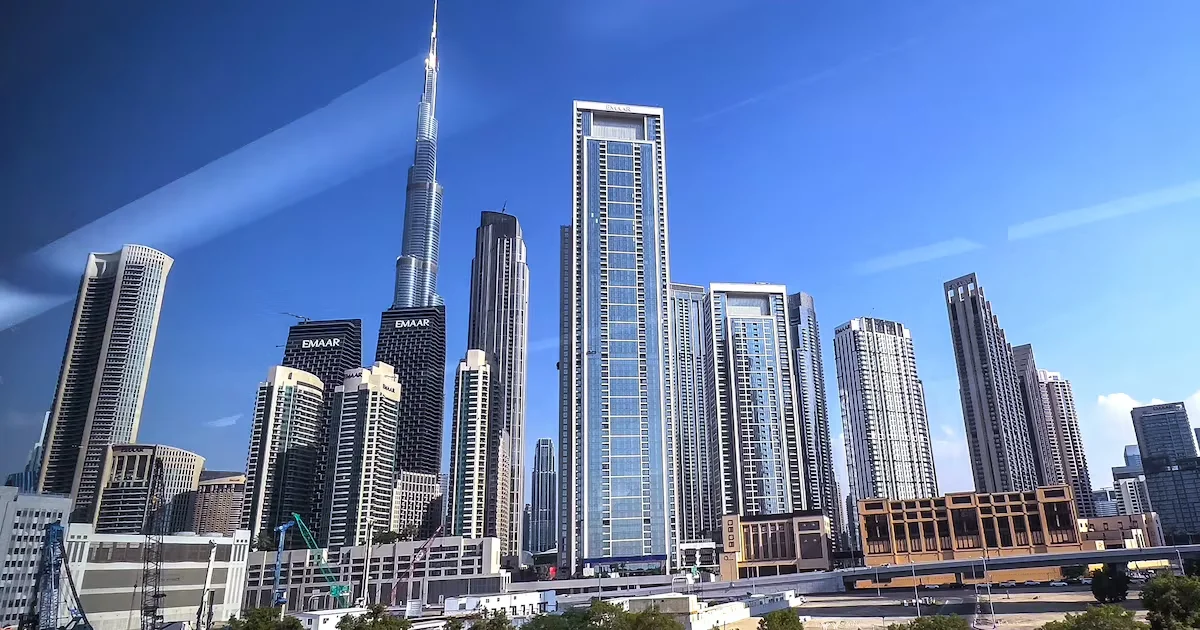
The MENA region is rapidly emerging as a key player in the global investment landscape. With its strategic location between Europe, Asia, and Africa, it offers unique advantages that attract the foreign investor community.
Countries like the UAE and Saudi Arabia are diversifying their economies away from oil dependency, creating new avenues for investment. The foreign investor community is taking notice, driving demand particularly in sectors such as technology, tourism, and real estate.
The government’s vision for economic transformation, exemplified by initiatives like Saudi Vision 2030 and UAE Vision 2021, showcases commitment to fostering a vibrant business environment. This forward-thinking approach not only attracts foreign capital but also creates a dynamic marketplace ripe for innovation and growth.
The foreign investor community across South Asia, Europe, and MENA is not working in isolation. These regions are increasingly interconnected, with investments flowing freely across borders. This interconnectedness amplifies demand as investors seek opportunities that maximize returns while diversifying their portfolios.
For instance, a tech startup in South Asia might attract funding from a European venture capital firm, while a real estate developer in MENA may seek partnerships with investors from South Asia. Such collaborations not only enhance the potential for financial success but also foster knowledge exchange and innovation.
The rise of digital platforms facilitating cross-border investments has further simplified this process. Investors are now equipped with tools that provide transparency and insights into opportunities in different markets, enabling them to make informed decisions.
While the prospects appear bright, the foreign investor community also faces several challenges that could impact demand. Regulatory hurdles, political instability, and economic fluctuations are just a few obstacles that can deter investment.
In South Asia, bureaucratic red tape and varying regulations across states can complicate the investment process. Similarly, Europe faces challenges related to varying economic conditions among its member states, which can influence investor confidence.
In the MENA region, geopolitical tensions can pose risks that may affect demand. However, despite these challenges, the foreign investor community demonstrates resilience, often adapting strategies to mitigate risks while continuing to seek opportunities.

Looking ahead, the future of the foreign investor community seems promising. As globalization continues to evolve, so too does the demand for investment across South Asia, Europe, and MENA. Emerging technologies, sustainability, and changing consumer preferences will drive new opportunities and challenges.
Investors who stay ahead of these trends will not only thrive but also contribute to the economic growth and development of the regions they invest in. The foreign investor community is set to continue playing a significant role in shaping the global landscape, making it essential for stakeholders to stay informed and engaged.
The foreign investor community in South Asia, Europe, and MENA is undoubtedly a driving force behind economic demand. Their influence extends beyond mere capital infusion; it fosters growth, innovation, and collaboration across borders. As these regions continue to evolve, the synergy between them will pave the way for a dynamic investment landscape that offers endless possibilities for both investors and local markets.
Do Follow Estate Magazine on Instagram
Read More:– UAE Commercial Property Sales Trends: Booyah! Post-Pandemic Acceleration 2026