The world has experienced unprecedented changes since the pandemic, reshaping how people live, work, and invest. One significant trend that has emerged is the post-pandemic shift to ownership, particularly driven by expatriates seeking stability and a sense of belonging in their new environments. This article delves into the factors fueling this demand for ownership among expatriates and explores the implications of this shift.
As the dust settles from the global pandemic, many expatriates are reevaluating their living situations. The uncertainty of rental markets during the crisis has led to a growing desire for stability and security. Ownership offers not just a place to live but also a long-term investment and a stake in the local community.
Expatriates, often characterized by their adaptability and resilience, are now leaning towards homeownership as a way to establish roots. They see property ownership as a hedge against inflation and fluctuating rental prices, which have become increasingly unpredictable in many urban centers. This trend is particularly evident in locations that have become popular among expatriates due to their favorable living conditions and economic prospects.

Homeownership is not merely a financial decision; it is deeply emotional for many expatriates. After experiencing the isolation and uncertainty of the pandemic, having a place to call home is vital for mental well-being. Owning a property can provide a sense of stability, allowing expatriates to create a sanctuary for themselves and their families.
Moreover, owning a home often fosters a stronger connection to the community. When expatriates invest in property, they are more likely to engage in local activities, build relationships, and contribute to the neighborhood’s vibrancy. This emotional connection can significantly enhance their quality of life in a foreign land.
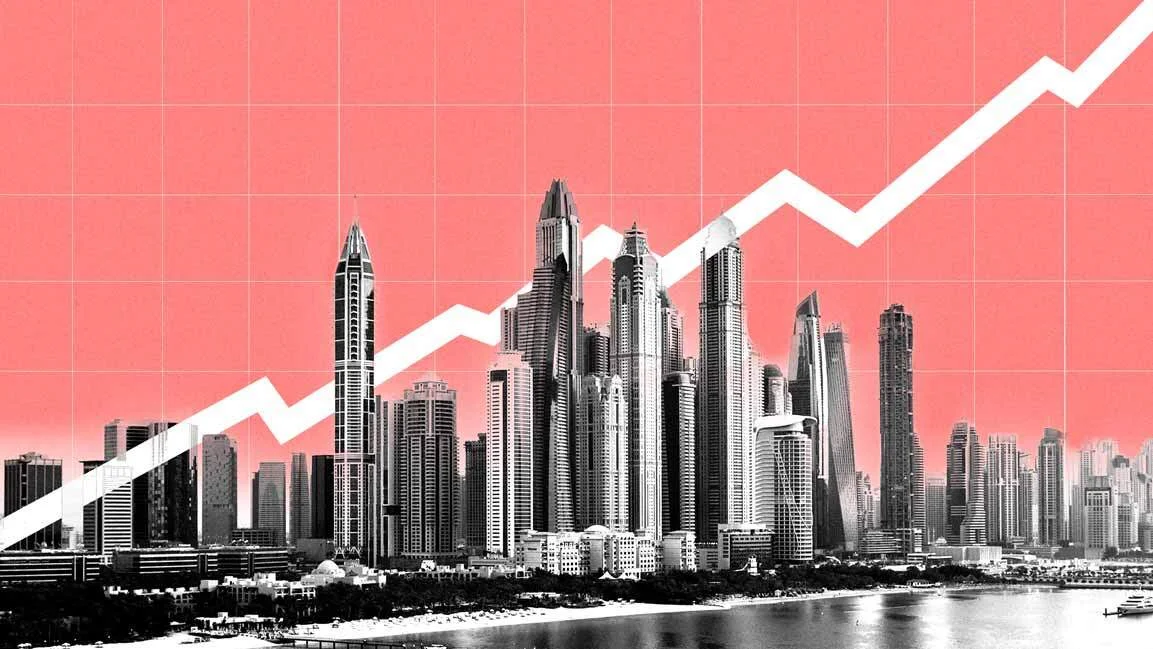
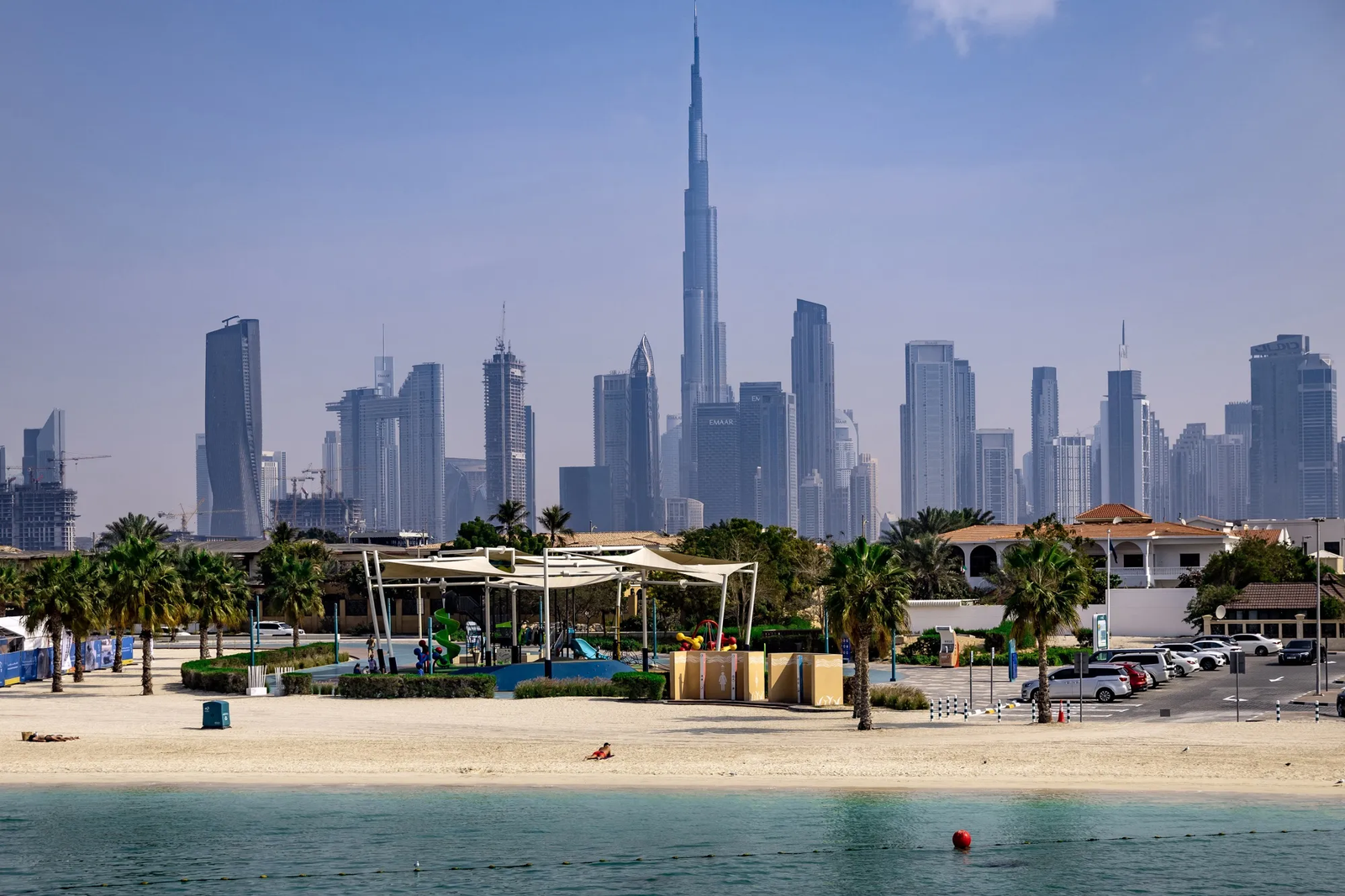
The demand for ownership among expatriates is not uniform; it varies by region and market dynamics. Cities that have become hubs for expatriates, such as Dubai, Singapore, and Lisbon, are witnessing a surge in property purchases. These cities offer attractive conditions, including favorable tax regimes, quality infrastructure, and a high standard of living.
In Dubai, for instance, the government has implemented policies that make it easier for expatriates to purchase property, including long-term residency visas tied to property ownership. This has created a favorable environment for expatriates looking to invest. Similarly, Lisbon’s Golden Visa program has attracted many foreign buyers, further driving the demand for ownership in Portugal.
The post-pandemic shift to ownership also presents unique financial opportunities for expatriates. With historically low interest rates, many are finding it an opportune moment to enter the property market. For expatriates, purchasing property can serve as a dual investment: a personal residence and a potential income-generating asset.
Many expatriates are exploring properties that can be rented out when not in use, providing an additional income stream. This approach not only helps offset costs but also allows expatriates to maximize their investment in a way that aligns with their lifestyle.
While the shift to ownership presents numerous advantages, expatriates also face challenges. Navigating local property laws, understanding the market, and securing financing can be daunting for those unfamiliar with the process. Additionally, cultural differences may influence how expatriates approach homeownership, requiring them to adapt to local customs and practices.
Moreover, the ongoing economic uncertainties can cause hesitation among expatriates. They may worry about the long-term implications of their investment, particularly in regions where the market is volatile. Understanding these challenges is crucial for expatriates as they embark on their homeownership journey.
As we look ahead, the trend of expatriates shifting toward homeownership is likely to continue. The desire for stability, coupled with favorable market conditions, will drive this demand further. Developers and real estate agents will need to adapt their strategies to cater to this growing demographic, offering products and services that meet the unique needs of expatriate buyers.
Furthermore, as remote work becomes more entrenched in the global economy, expatriates may seek homes that offer not just living space but also conducive work environments. This could lead to a rise in demand for properties with home office capabilities, outdoor spaces, and proximity to community amenities.
The post-pandemic shift to ownership among expatriates highlights a fundamental change in how individuals approach their living situations. The desire for stability, community connection, and investment security has never been more pronounced. As expatriates continue to navigate this new landscape, the demand for homeownership will play a crucial role in shaping their experiences abroad.
Understanding the intricacies of this shift will be essential for all stakeholders involved in the property market. By recognizing the unique needs and aspirations of expatriates, we can foster a more inclusive and supportive environment for those seeking to establish their homes in new lands.
Do Follow Estate Magazine on Instagram
Read More:- UAE Economic Trajectory: Powerful Insights for 2025 and Beyond