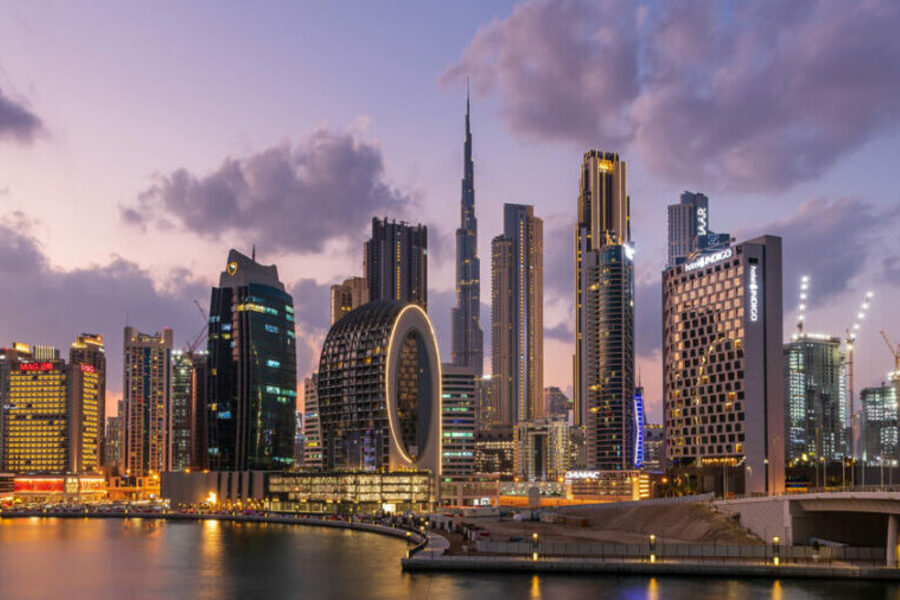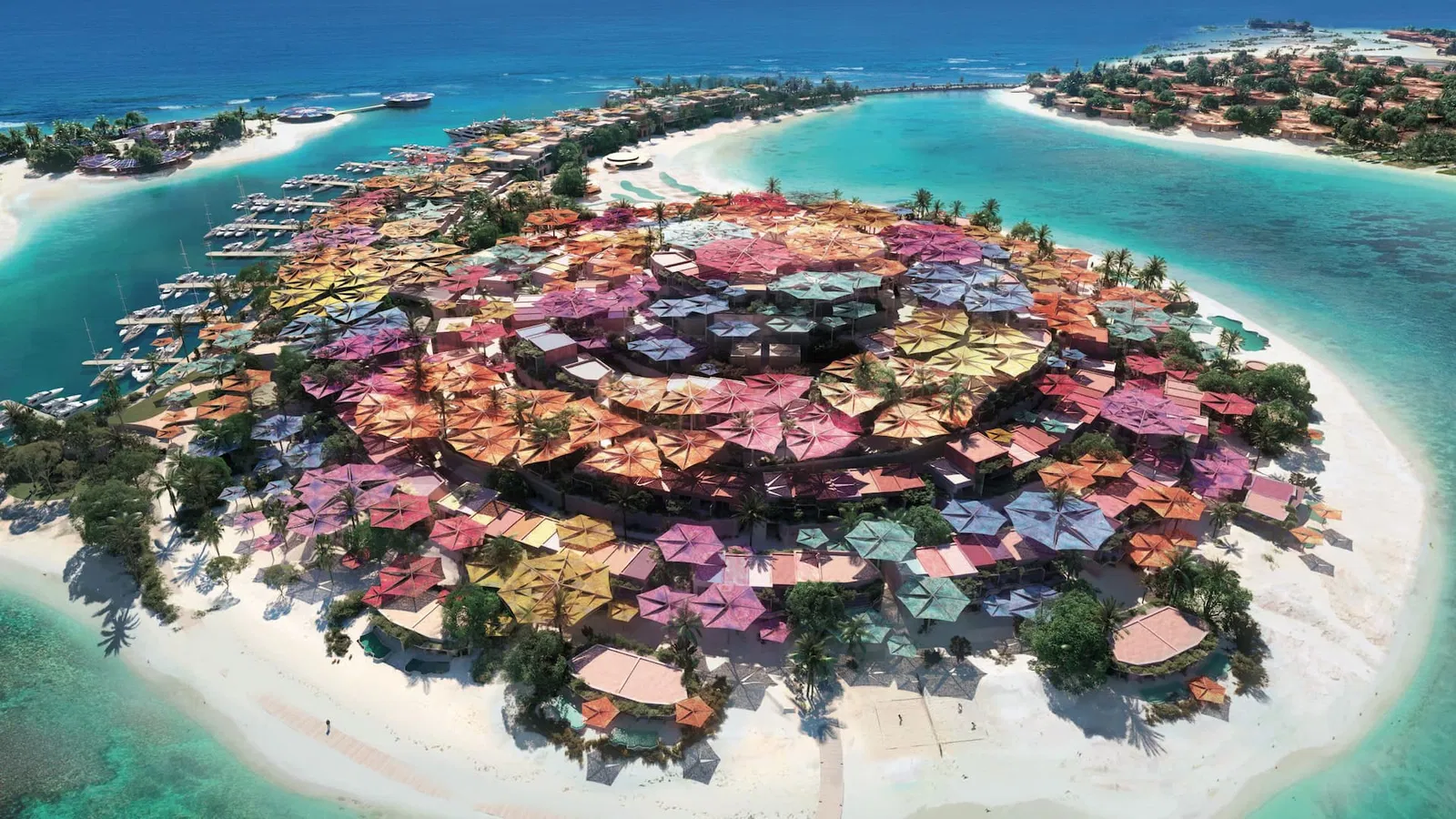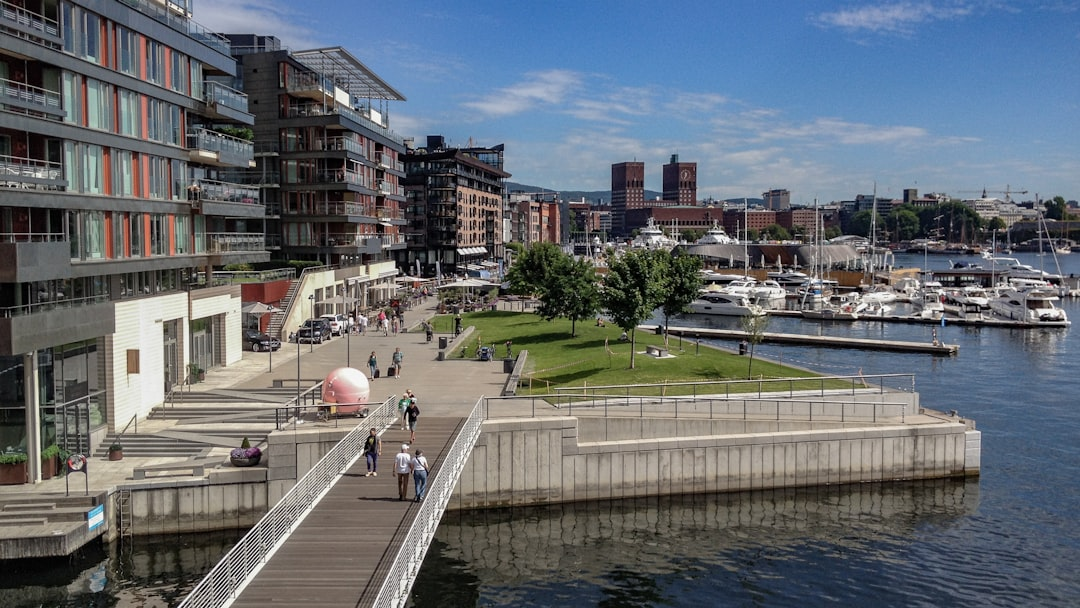
Waterfront developments are reshaping our cities and communities, creating vibrant spaces that blend residential, commercial, and recreational uses. These projects not only enhance the aesthetic appeal of an area but also foster a sense of community, promote economic growth, and provide residents with unique lifestyle options. As more cities recognize the benefits of waterfront living, the trend towards these developments continues to rise, drawing attention from investors, urban planners, and future residents alike.
The charm of living by the water is undeniable. Waterfront developments offer picturesque views, opportunities for outdoor activities, and a serene atmosphere that contrasts with the hustle and bustle of urban life. But the appeal goes beyond mere aesthetics.
One of the most significant advantages of waterfront developments is their potential for economic revitalization. By transforming previously underutilized or neglected areas along coastlines, rivers, or lakes, cities can attract new businesses and tourism. This influx often leads to job creation and increases in property values, benefiting both investors and local communities.
Additionally, these developments often incorporate green spaces, walking paths, and recreational facilities, promoting a healthier lifestyle for residents. The integration of nature and urban living is becoming increasingly essential in our fast-paced world, making waterfront properties even more desirable.
Not all waterfront developments are created equal. Several essential features contribute to their success and desirability.
Mixed-Use Spaces
Successful waterfront developments typically feature a mix of residential, commercial, and recreational spaces. This blend creates a dynamic environment where people can live, work, and play without needing to travel far. By incorporating shops, restaurants, and leisure facilities, these developments foster a sense of community and encourage social interactions.
Sustainable Design
In today’s eco-conscious world, sustainability is a critical factor in waterfront developments. Many projects prioritize green building practices, such as using renewable materials, implementing energy-efficient systems, and preserving natural habitats. These initiatives not only minimize environmental impact but also appeal to socially responsible investors and residents.
Access to Water Activities
The allure of being near water is amplified by the availability of activities like kayaking, paddleboarding, or simply enjoying a stroll along the shore. Developers often design waterfront properties with easy access to these activities, enhancing the overall living experience and encouraging a connection with nature.
Waterfront developments have a profound impact on local economies. When a waterfront area undergoes revitalization, it can lead to increased property values, which benefits current homeowners and attracts new residents. The influx of businesses catering to both locals and tourists can also significantly boost local tax revenues.
Furthermore, these developments often create jobs in various sectors, from construction to hospitality. The combination of residential growth and increased tourism can lead to a thriving economic ecosystem, benefiting the entire community.
Investors are taking note of this trend, as waterfront properties often yield higher returns compared to traditional real estate investments. The demand for these unique living spaces continues to rise, making them a sound choice for those looking to invest in real estate.
While the benefits of waterfront developments are clear, they are not without challenges. One of the primary concerns is environmental impact. Developers must navigate regulations related to coastal preservation, water quality, and wildlife habitats. Striking a balance between development and environmental stewardship is crucial, as neglecting these considerations can lead to long-term consequences.
Additionally, the potential for natural disasters, such as flooding or hurricanes, necessitates careful planning and investment in resilient infrastructure. Developers must consider these risks to ensure the longevity and safety of their projects.
Community engagement is another significant challenge. Successful waterfront developments require input from local residents to ensure their needs and desires are met. Developers must foster open communication and collaboration to create spaces that truly reflect the community’s vision.
As urbanization continues and climate change becomes an increasingly pressing issue, the future of waterfront developments is likely to evolve. We can expect to see greater emphasis on resilience, with developers incorporating innovative solutions to combat rising sea levels and extreme weather events.
Smart technology is also poised to play a significant role in the future of these developments. From smart homes to integrated transportation systems, the use of technology can enhance the living experience while promoting sustainability.
Moreover, there will likely be a continued focus on creating inclusive spaces that cater to diverse populations. As cities grow and change, waterfront developments will need to adapt to meet the needs of all residents, ensuring that everyone can benefit from these investments.
Waterfront developments are more than just real estate projects; they are transformative spaces that enrich communities, boost economies, and enhance quality of life. With their unique blend of residential, commercial, and recreational opportunities, these developments are becoming increasingly sought after.
As cities continue to embrace the potential of their waterfronts, we can anticipate exciting innovations and improvements in design, sustainability, and community engagement. The allure of living by the water will undoubtedly remain strong, making waterfront developments a vital part of urban planning for years to come.
Do Follow Estate Magazine on Instagram
Read Next – The Allure of Branded Residences: a New Luxury Lifestyle